



By Nate Raymond and Maria Alejandra Cardona
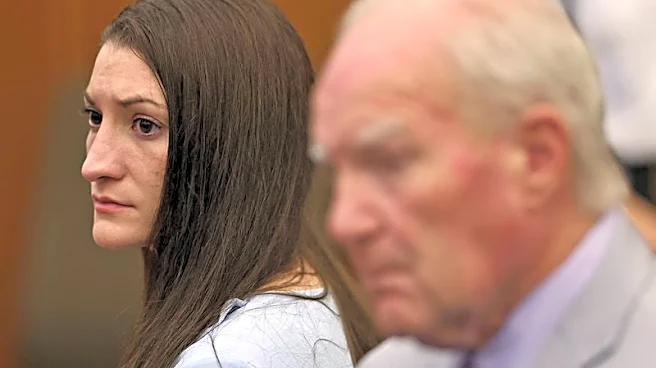
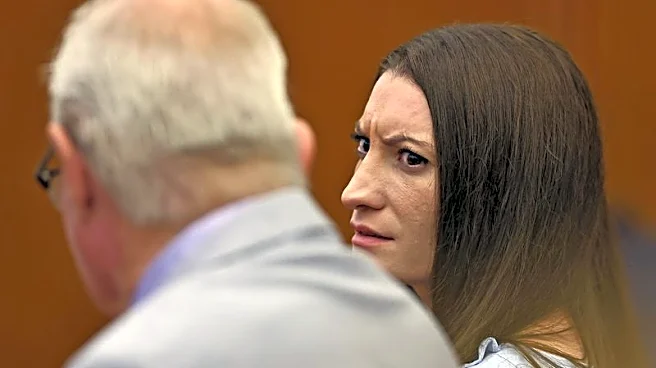
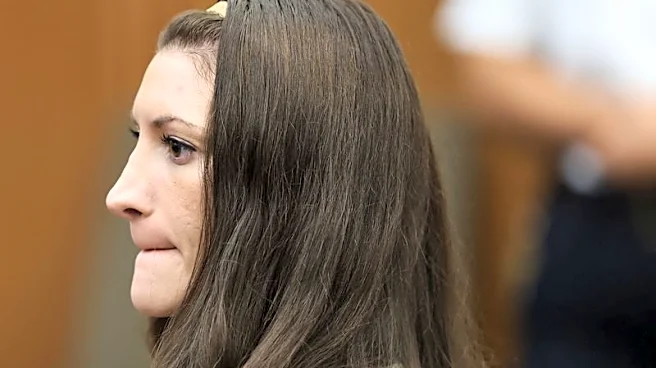
PLYMOUTH, Massachusetts, Sept 3 (Reuters) - A judge at Lindsay Clancy's murder trial declined on Thursday to remove a juror her lawyer said was blocking a verdict, as the jury ended a sixth day of deliberations over whether the Massachusetts woman murdered her three young children.
The 12 jurors were dismissed and told to return on Friday less than an hour after Judge William Sullivan in Plymouth, Massachusetts, received a note from the jury and re-instructed
them on what would constitute "reasonable doubt."
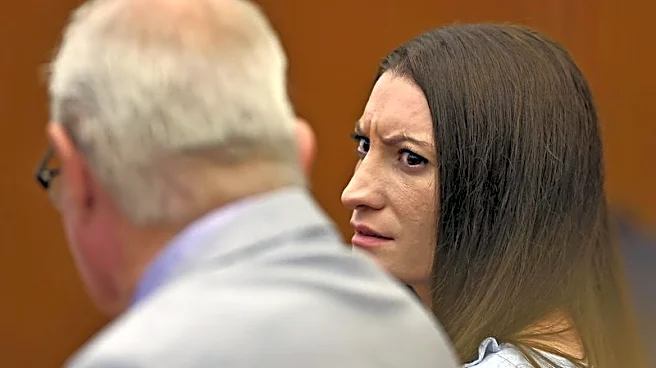
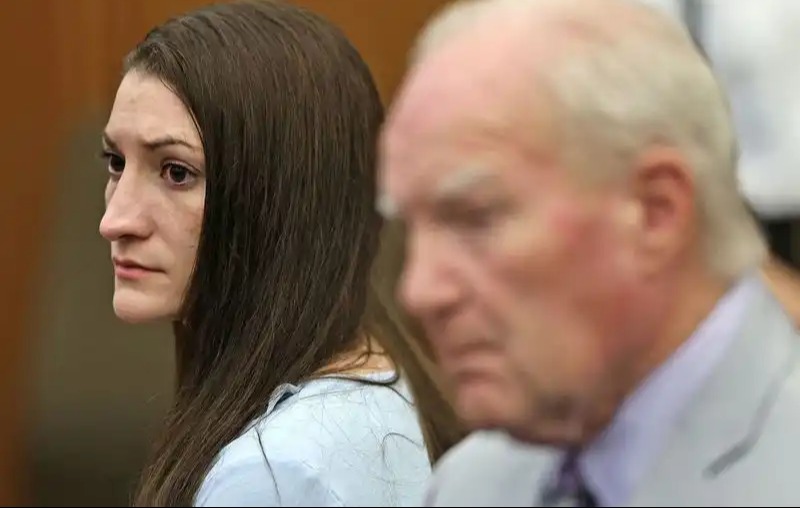
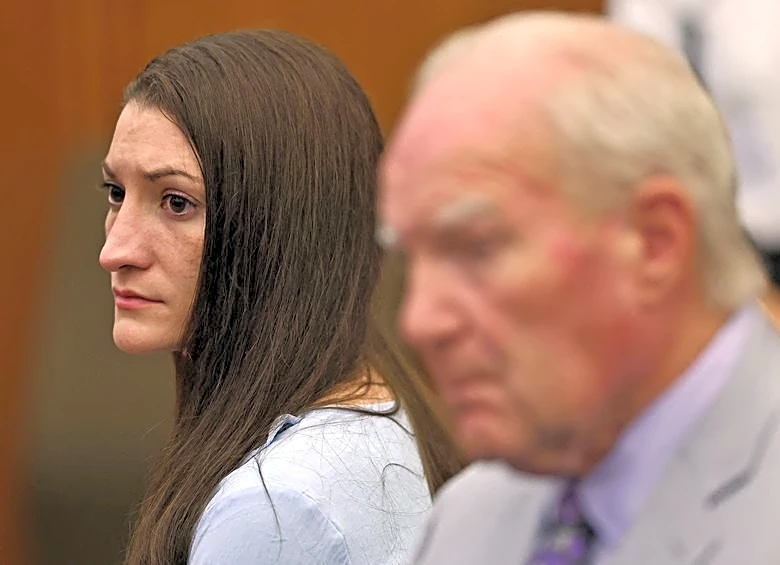
The note was not read aloud in court. After jurors left the courtroom, defense lawyer Kevin Reddington moved to have one of them removed, saying the note from the jury's foreperson indicated "there's one juror who refuses to listen to the law that you've given him or her on reasonable doubt."
"If we come back here in half an hour with a mistrial because of a juror that has just spurned the instructions of this court, it's a shame," Reddington told the judge, who declined to remove the juror.
"I don't feel that it is proper for me to side with one side or the other of the deliberations," Sullivan said. "I don't feel it's appropriate for me to say I agree with one juror or the 11."
The jury had sent Sullivan notes on Tuesday and Wednesday saying they were unable to reach a unanimous decision. The judge instructed them on both days to continue deliberating.
If the jury does not reach a verdict and Sullivan declares a mistrial, prosecutors would need to decide whether to retry the case, which has included more than 80 witnesses and more than 300 exhibits.
Asked during a lunch break whether prosecutors in his office would retry the case if it ended in a mistrial, Plymouth County District Attorney Timothy Cruz told reporters outside the courthouse: "I'll talk when this is all over."
MENTAL HEALTH STRUGGLES
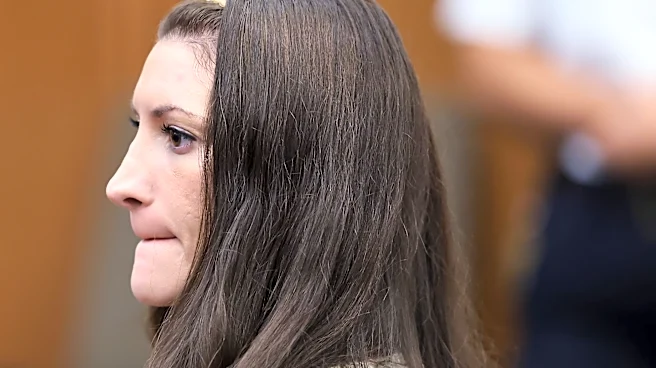
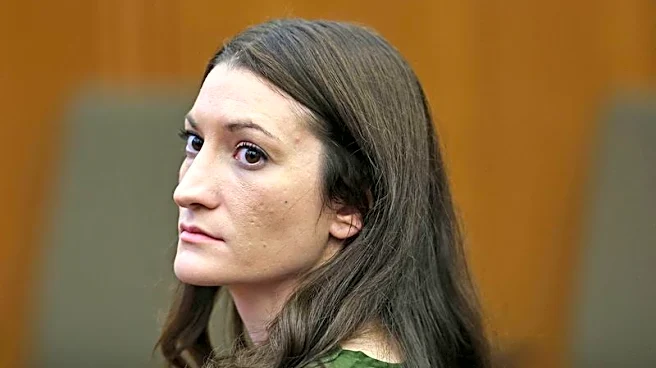
Clancy, 36, faces life in prison without parole if convicted of first-degree murder. If found not guilty by reason of lack of criminal responsibility, or reason of insanity, she could be committed to a state psychiatric hospital for evaluation.
She has admitted to strangling her three children to death on January 24, 2023, with exercise bands in the basement of their home in the Boston suburb of Duxbury. She then cut herself with a knife and jumped from a second-story window in an attempt to take her own life that left her paralyzed.
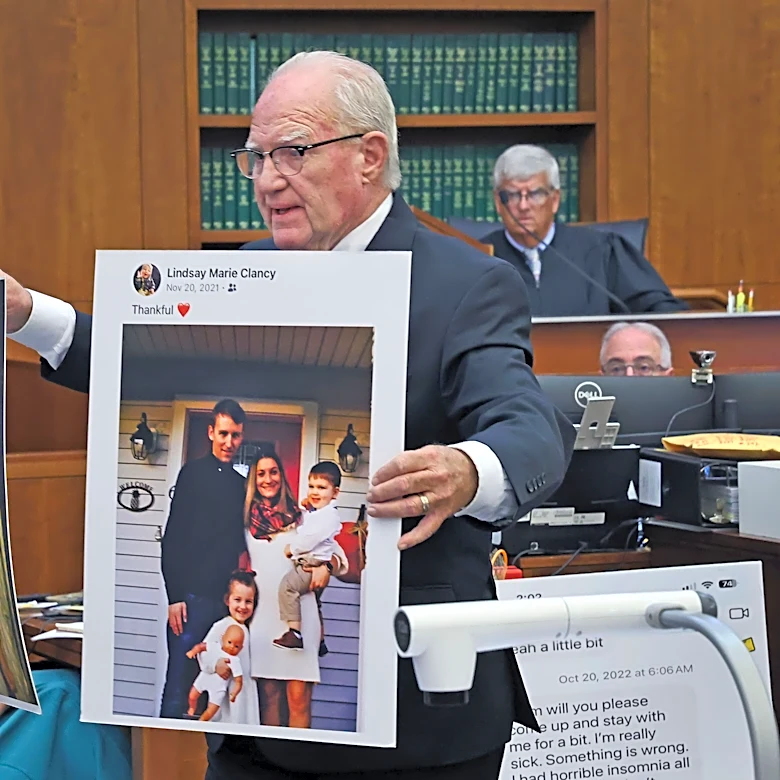
During the six-week trial, Reddington sought to convince jurors that Clancy was in the midst of a psychotic episode when she killed Cora, 5; Dawson, 3; and 8-month-old Callan.
Testimony from family members, including Clancy's now ex-husband, Patrick, showed how she had struggled with her mental health in the months after the birth of her third child, repeatedly seeking treatment from healthcare providers who prescribed her a myriad of drugs.
Prosecutors do not dispute that Clancy, a former labor and delivery nurse at Massachusetts General Hospital, had been dealing with mental health issues.
But they argued she was able to appreciate the wrongfulness of killing her children and intentionally chose to do so anyway, opting to kill them because she had decided to kill herself and was convinced they would suffer without her.
(Reporting by Nate Raymond in Boston and Maria Alejandra Cardona in Plymouth, Massachusetts; Editing by Rod Nickel and Hugh Lawson)