




By David Shepardson and Dan Catchpole
WASHINGTON, Sept 9 (Reuters) - One pilot of the Amazon Prime Air cargo plane that crashed in Miami on Sunday cautioned they were flying "too fast" just over a minute before touching down on the runway they overran, the National Transportation Safety Board said.
The pilot continued to comment on the plane's speed while automated warnings sounded in the cockpit.
However, the other pilot did not give a clear verbal response, according to the cockpit voice recording
detailed in an investigative update on Wednesday that did not identify the speakers as the captain or first officer.
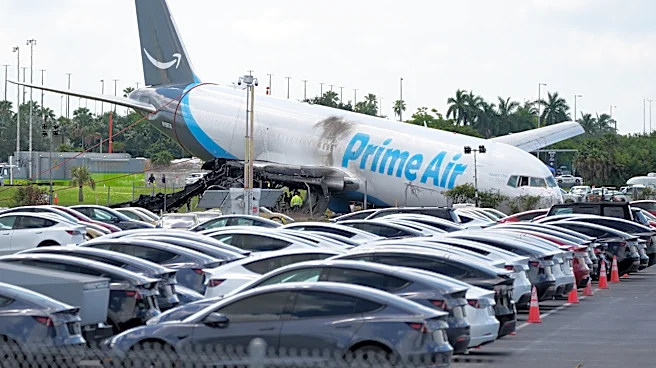
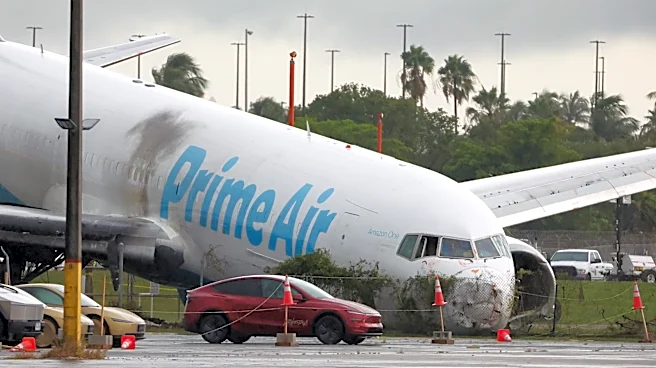
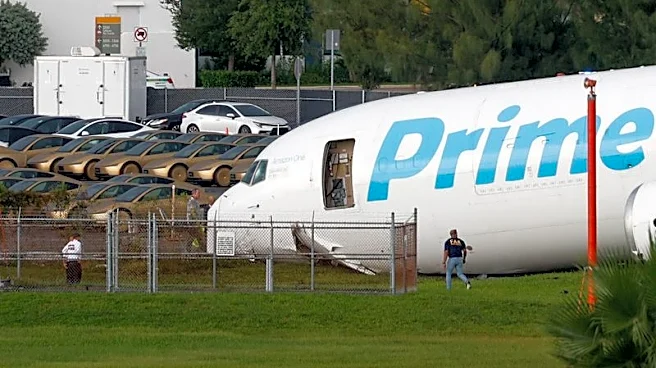
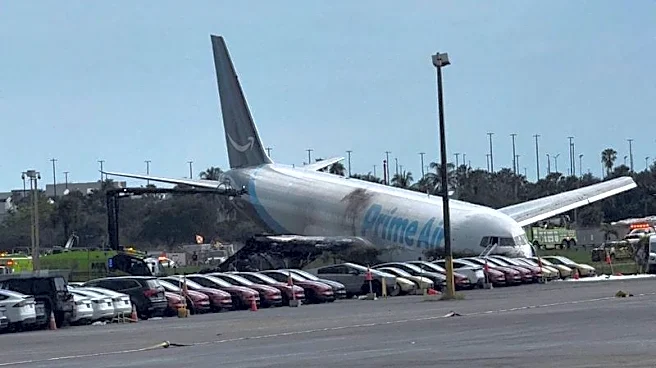
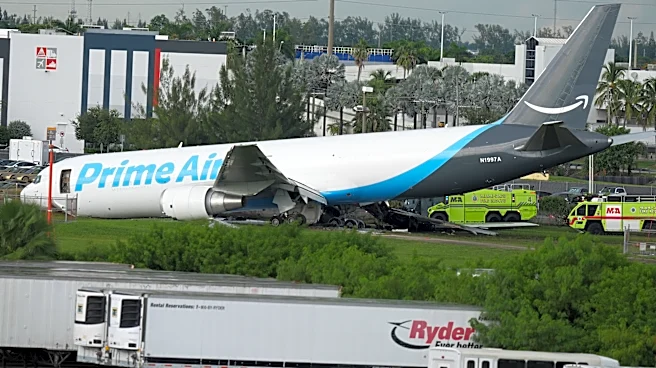
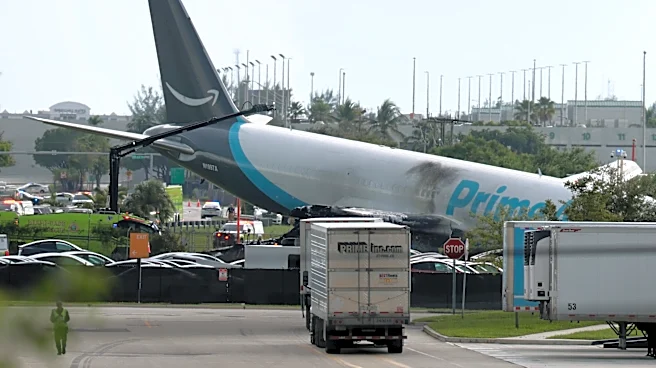
The 32-year-old Boeing 767 operated by Miami-based 21 Air overran the runway by some 1,300 feet (396 m) and crashed into two vehicles on the ground, killing five people and injuring another five.
Before the plane touched down, "sink rate sink rate" rang out twice in the cockpit as the aircraft at one point descended 400 feet in just four seconds, based on the information released by the NTSB. That was followed by five warnings of "too low terrain."
"The big question is, why did they continue their approach?" said Anthony Brickhouse, an aerospace safety consultant. "They had several cues that their approach was not stable, but they continued instead of going around."
Fifteen seconds after touching down, one of the pilots called for aborting the landing and the engine throttles were increased to a value consistent with go-around thrust, the NTSB said.
At this point the plane was nearing the end of the runway but still travelling at 120 knots (138 mph), according to data from Flightradar24 based on initial NTSB disclosures.
But four seconds later, the throttles were reduced to idle power and there were then sounds similar to the plane departing the runway's paved surface, the NTSB said.
The board said on Tuesday there was no indication in the recorded data that speed brakes or thrust reversers were deployed to help slow the plane.
21 Air did not respond immediately to a request for comment on the information released by the NTSB.
Safety experts say most airplane accidents are caused by multiple factors that need to be thoroughly investigated.
"From what I've seen so far, there was definitely a breakdown in crew resource management," Brickhouse said, referring to training pilots receive to communicate clearly and coordinate decisions in the cockpit.
When a pilot ignores cues that something is wrong, "unfortunately, bad things happen," he added. "So as an investigator, I want to know with that many cues available, what was their motivation? What was their thought process? Why did they continue that approach instead of going around?"
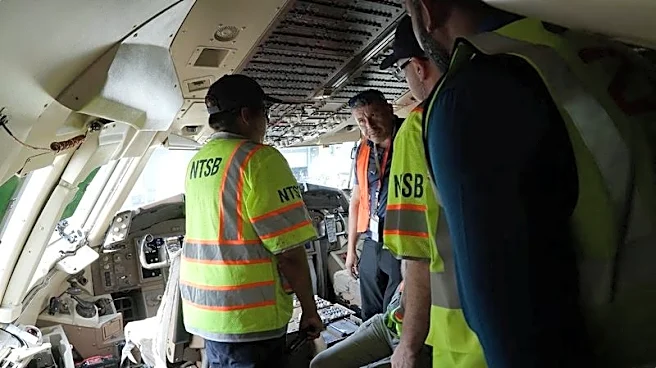
NTSB investigators spent much of Wednesday interviewing the captain and first officer before releasing details from the cockpit voice recorder.
The Amazon cargo plane was on its third flight of the day, coming from San Juan, Puerto Rico. It had flown from Cincinnati to Miami and from Miami to San Juan earlier on Sunday before the crash at 1:53 p.m. EDT (1753 GMT).
The captain, 55, received his type rating for the 767 in May and has 7,145 hours of flight time, while the first officer, 37, received his type rating on the 767 in April 2025 and has 2,655 flight hours, the NTSB said on Tuesday.
(Reporting by David Shepardson in Washington and Dan Catchpole in Seattle; Editing by Jamie Freed)