
By Stefano Rebaudo
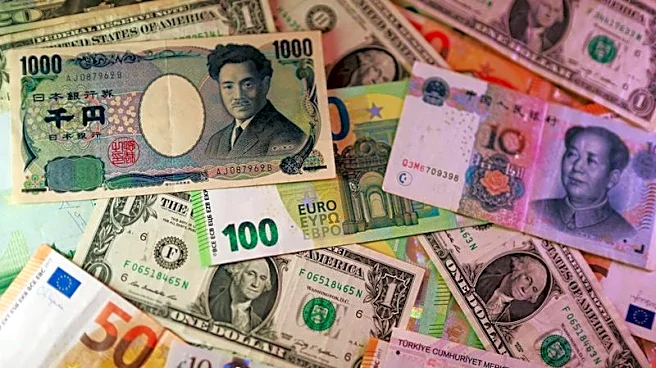
Aug 12 (Reuters) - The U.S. dollar ticked higher on Wednesday, underpinned by renewed Gulf tensions, with markets focused on upcoming U.S. economic data for signals on the Fed's policy
trajectory.
Oil prices edged up after the United States and Yemen's Iran-aligned Houthis reported separate attacks on shipping on Tuesday, with Tehran saying the Strait of Hormuz would remain closed unless Washington accepts its conditions.
Investors buy the safe-haven dollar when concerns about the economic impact of the energy shock from the Iran war intensify.
Analysts said Friday's soft U.S. jobs data did not weigh heavily on the greenback as markets expect inflation to drive the next Federal Reserve interest rate move.
Fed Bank of Chicago President Austan Goolsbee supported this view on Tuesday by saying he was more concerned about too-high inflation than labor market weakness.
Economists expect data due later in the session to show inflation picked up last month after easing in June, when oil prices fell on hopes of an Iran peace deal.
"Consensus is looking for a reasonably subdued set of numbers," Chris Turner, global head of markets at ING, said.
"A soft number should drag market pricing of a September Fed rate hike away from a 50% probability in favour of no change," he added.
The main focus for markets this week is U.S. inflation data due later on Wednesday for clues to the direction of Fed interest rates, as last week's softer-than-expected jobs report and a press conference by Fed Chair Kevin Warsh last month did little to dispel doubts.
Fed funds futures imply a 50% chance the central bank will leave rates unchanged at its two-day meeting ending September 16, according to the CME Group's FedWatch tool.
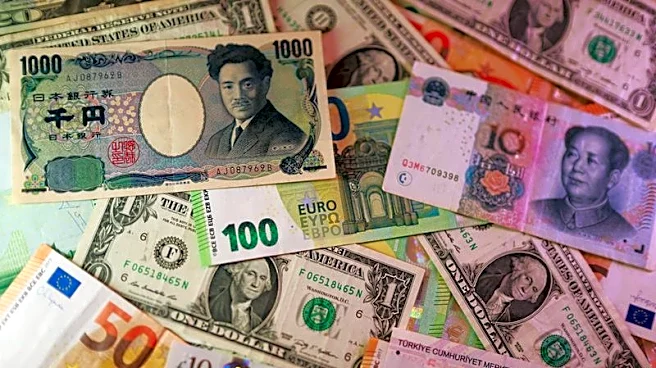
The U.S. dollar index, which measures the greenback's strength against a basket of six currencies, was up 0.05% at 99.85.
YEN EYES POSSIBLE RATES DIVERGENCE
U.S. Treasury yields and the continued removal of Fed tightening bets will be crucial to support the yen, while a September rate hike from the Bank of Japan would underscore the intention to press ahead with policy normalisation.
Market pricing points in the same direction, with higher Japanese government bond yields signalling increasing expectations of a BoJ rate hike next month.
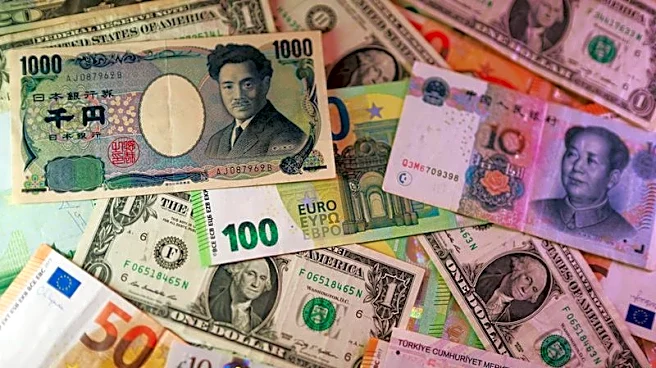
The yen was 0.05% weaker against the dollar at 159.38 yen, reaching its softest levels of the month despite recent joint intervention by U.S. and Japanese authorities to strengthen the Japanese currency, while the euro slipped 0.1% to $1.1534.
"The release of the latest CFTC report at the end of last week did show that that intervention triggered a sharp squeeze of speculative short yen positions," said Lee Hardman, senior currency economist at MUFG.
"If there is no change in fundamentals, speculators will be encouraged to rebuild short yen positions at a time when stable financial market conditions remain supportive for carry trades," he added.
The British pound was also unchanged at $1.3505. The Australian dollar was down 0.1% at $0.7056.
The kiwi dollar was 0.25% weaker at $0.5867 after New Zealand Prime Minister Christopher Luxon said on Wednesday he had won a confidence vote of ruling party lawmakers, following speculation about his leadership months from a general election.
(Reporting by Stefano Rebaudo; additiona reporting by Gregor Stuart Hunter; Editing by Shri Navaratnam, Stephen Coates and Alexander Smith)