





By Waylon Cunningham
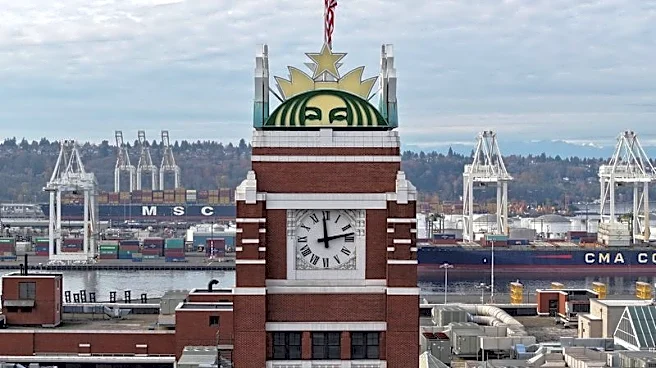
May 14 (Reuters) - A group of United Nations human-rights experts has asked Starbucks and the U.S. government to respond to allegations that Starbucks has carried out a years-long campaign against workers seeking to unionize, according to a March 10 letter made public this week by the U.N.’s human-rights office.
The letter says the experts received information alleging “ongoing and widespread” threats, harassment and intimidation against Starbucks employees involved in union activity
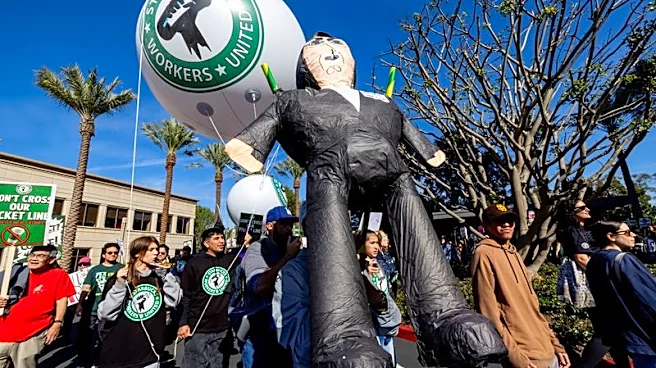
since 2021. The letter said the allegations include cases in several U.S. states where police were called on workers engaged in picketing, leafleting and other protest activity.
The experts said the alleged conduct could violate rights to freedom of expression, peaceful assembly and association under international law.
NEGOTIATIONS RESUME AFTER BREAKDOWN
Negotiations between the company and its unionized baristas, which the company says represent 4% of U.S. stores, broke down in early 2025 but have recently begun again.
Starbucks in a statement to Reuters said the company is “actively engaging with the union in good faith” and has put forward a proposal for a collective bargaining contract that builds on Starbucks’ “already competitive pay and industry-leading benefits,” such as healthcare and college for eligible employees.
Company spokesperson Jaci Anderson criticized the union for what she said was a pattern of publicity-driven stunts and limited engagement in bargaining. The company recently filed a complaint to U.S. labor regulators accusing the union of walking away from negotiations. The union, which has filed hundreds of complaints in the last four years, said in a statement to Reuters that talks are continuing.
The letter made public this week was sent by four independent experts appointed by the U.N. Human Rights Council, including the special rapporteurs on peaceful assembly and free expression, and the U.N. working group on business and human rights. Such experts do not speak for the United Nations but are mandated to investigate and publicly raise human-rights concerns.
INVESTORS BACK COMPANY APPROACH
Democratic U.S. lawmakers late last year urged Starbucks to reach a “fair contract” with its union.
Shareholder proxy firms in March cautioned investors that Starbucks may be neglecting the financial and reputational risks from labor disputes. But soon after, Starbucks won the support of a vast majority of shareholders in what amounted to a vote of confidence over the company’s approach.
(Reporting by Waylon Cunningham in New York; Editing by Matthew Lewis)