








TOKYO, May 20 (Reuters) - Japanese factory managers' mood improved slightly in May as commodity-related industries recovered from the Iran war-induced sharp drop a month earlier, but weakness in autos and some other industries capped the rebound, the Reuters Tankan poll showed.
The monthly poll, a leading indicator of the Bank of Japan's quarterly Tankan business survey, showed manufacturers' sentiment inched up to plus 8 in May from April's plus 7, although it remained well below March's plus 18
that marked a four-year high.
Materials industries swung back into positive territory, with their index rising to plus 5 from minus 3. Chemicals recovered to plus 6 from minus 8, while steel and nonferrous metals rose to zero from minus 25.
A chemicals company manager said "front-loaded demand due to the Middle East situation" contributed to their rosy view. A respondent at a ceramics firm mentioned a similar trend.
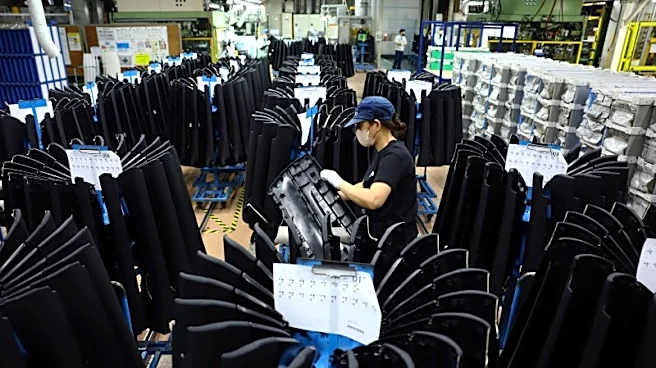
But the recovery in the overall factory sentiment remained lukewarm. The transport machinery sector, which includes Japan's all-important automakers and their vast network of suppliers, saw its confidence halving to plus 10 from plus 20, extending a sharp fall from plus 36 in March.
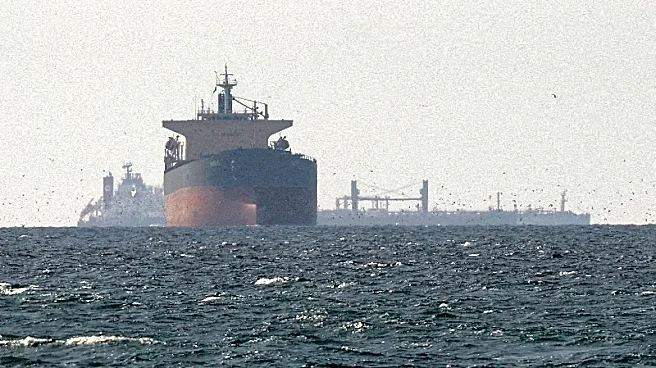
"We're beginning to see the impact on our production from supply constraints, apparently stemming from the blocking of the Strait of Hormuz," a manager at a transport machinery company said.
Food processors remained the weakest manufacturing sector, with their index falling to minus 40, a six-year low, from minus 25, while the textiles, paper and pulp index slid to minus 22 from zero.
Besides the U.S.-Israel conflict with Iran, some factory managers cited the weak yen as another factor behind the rising raw material costs.
Sentiment among non-manufacturers slipped to plus 29 in May from plus 31 in April, weighed down by a 10-point drop in real estate and construction to plus 31 and a 6-point decline in general services to plus 32. Wholesalers' mood soured, while retailers grew more optimistic.
"Soaring crude prices and shortages in petroleum-related goods have created some pull-forward demand, but we anticipate further supply tightness and a subsequent drop in that demand," a transport company manager said.
Looking ahead, manufacturers expect sentiment to weaken further, with the index seen falling to plus 5 in August, reflecting growing uncertainties around the outlook for the Iran war and supply chain repercussions.
Non-manufacturers also expect a decline, with their index forecast at plus 18, suggesting companies remain cautious despite relatively positive business conditions.
The May 1-15 poll surveyed 492 major non-financial firms, with 220 responding on condition of anonymity. The indexes are calculated by subtracting the percentage of pessimistic respondents from the percentage of optimistic ones, with positive figures indicating net optimism.
(Reporting by Kantaro Komiya; Editing by Sonali Paul)