



By Maria Martinez
BERLIN, July 30 (Reuters) - German inflation rose in July on higher energy prices due to the Iran conflict, threatening the long-awaited recovery of Europe's biggest economy.
Germany's gross domestic product grew more than expected in the second quarter, but risks loom as hostilities flare up again between Iran and the U.S. and prices could stay high for longer than initially expected, taking a toll on investment and consumption.
Inflation accelerated to 2.8% year-on-year, in line
with forecasts, preliminary data from the federal statistics office showed on Thursday.
Analysts polled by Reuters had forecast the EU-harmonised consumer price index to come in at 2.8% in July, compared with 2.4% the month before.
MIDDLE EAST TRENDS DICTATE SHORT-TERM INFLATION OUTLOOK
Energy inflation drove the increase, rising to 8.3% in July from 3.4% in the previous month, as the government’s tax rebate on fuel expired.
"The short-term trend in the inflation rate clearly depends heavily on further developments in the Middle East," said Commerzbank economist Ralph Solveen.
Core inflation, which excludes volatile food and energy prices, fell to 2.4% from 2.5% in June.
The German data came ahead of the euro zone inflation release on Friday. Inflation in the bloc is expected to come in at 2.9%, slightly above June's 2.8%, according to economists polled by Reuters.
ECONOMY GREW MORE THAN EXPECTED IN Q2
German GDP expanded by 0.2% compared with the previous three-month period, preliminary data from the statistics office also showed on Thursday. Analysts polled by Reuters had forecast a rise of 0.1%.
Separate data showed that GDP grew by 0.2% in France and Italy and by 0.7% in Spain, suggesting activity in the euro zone held up well in the second quarter.
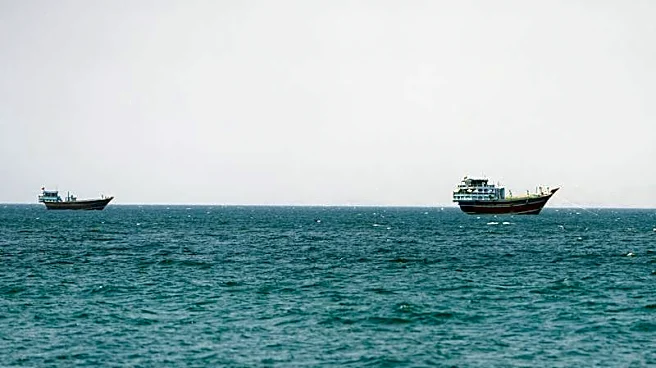
However, analysts cautioned that the geopolitical situation remains very uncertain, especially after the collapse of a temporary ceasefire agreement between Iran and the U.S. and the resumption of fighting over the Strait of Hormuz, a crucial waterway that Tehran says it now controls.
Analysts also cited the risk posed to Germany's economic output by low water levels in the Rhine caused by an acute lack of rainfall during an exceptionally hot summer in Western Europe.
The effects of these water levels alone could dampen GDP in the third quarter by between 0.1% and 0.2%, said economist Stefan Kooths of the Kiel Institute for the World Economy (IfW).
BRIGHTER GERMAN GDP DATA
Figures also showed the German economy grew by a revised 0.4% in the first quarter, up from the 0.3% previously announced. It has been expanding modestly for the last three quarters, following two quarters of stagnation in 2025.
In response to the increase in the second quarter and the upward revision of the first quarter, Commerzbank has raised its growth forecast for this year to 1.0% from 0.6%.
"The recovery of the German economy is more pronounced than previously thought," Commerzbank's chief economist Joerg Kraemer said.
At the start of July, Chancellor Friedrich Merz outlined a package of pension, tax and labour reforms to boost growth, jobs and competitiveness after years of meagre GDP expansion.
Economists say the reforms could lift Germany's sluggish growth rate, and German business morale improved more than expected in July, reflecting hopes for the reform package.
"Some industrial sectors benefited from the fact that Asian competitors were hit harder by the closure of the Strait of Hormuz," said Carsten Brzeski, global head of macro at ING.
Exports were up compared with the previous quarter, driving the increase, the statistics office said.
However, against the backdrop of geopolitical uncertainties, front-loading effects may also have played a role, said Marc Schattenberg, economist at Deutsche Bank Research.
Household consumption showed a subdued trend and investment declined compared with the previous quarter.
(Reporting by Maria Martinez, additional reporting by Rene Wagner, Editing by Gareth Jones and David Holmes)