






DUBAI, April 14 (Reuters) - The Middle East and North Africa region is expected to have a sharply slower growth this year as oil-exporting countries grapple with the fallout from the Iran war, the International Monetary Fund said on Tuesday.
The region's real GDP growth forecast was slashed to 1.1% in the IMF's latest World Economic Outlook, 2.8 percentage points lower than its January projection.
Growth is expected to rebound to 4.8% in 2027. The IMF said, however, that its estimates for 2027 assumed
energy production and transportation in the region are normalised over the next few months. It noted that this assumption may need to be revised if the conflict drags on.
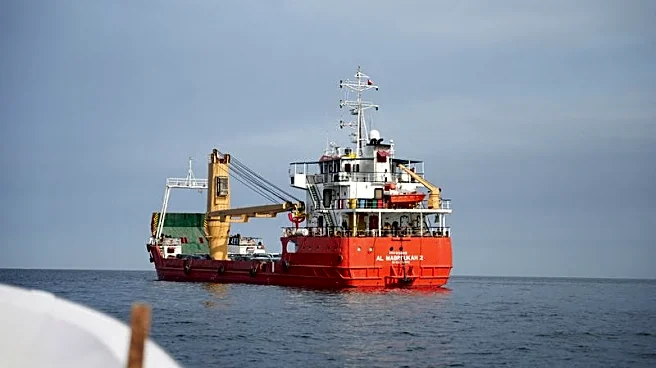
Tehran's attacks on Gulf neighbours, in response to U.S.-Israeli strikes that began in late February, have damaged major energy facilities and disrupted shipping through the Strait of Hormuz, which would normally handle about 20% of global oil and liquefied natural gas flows.
The war has also created inflationary pressures and clouded the global economic outlook.
U.S.-Iran talks to resolve the conflict broke down on the weekend and the U.S. military has begun a blockade of Iran ports, though efforts to maintain dialogue continue.
SAUDI ARABIA FARING BETTER THAN OTHERS
The IMF said it revised GDP projections for countries in the region much lower due to diminished production and exports. The degree of revision depended on "damage suffered in energy and transportation infrastructure as well as the dependence on the Strait of Hormuz and availability of alternative export routes," it added.
Saudi Arabia, the world's top oil exporter and the Arab world's biggest economy, is now expected to see growth of 3.1% in 2026, 1.4 percentage points lower than a January estimate. The kingdom, however, is expected to be less severely affected by the war than its Gulf neighbours.
Iran's economy is forecast to shrink 6.1% in its fiscal year that began on March 21, before rebounding to 3.2% growth the year after. Before the war, it was expected to expand 1.1% this fiscal year.
Bahrain, Iraq, Kuwait and Qatar are also now expected to see their economies contract this year, the IMF report said, without giving specific estimates. A separate and more comprehensive Middle East regional economic outlook is due to be published on April 16.
GDP growth revisions were milder for regional oil and gas importers. Growth in Egypt, for example, is projected to slow to 4.2% in 2026 from an earlier estimate of 4.7%, and is forecast to recover to 4.8% in 2027.
(Reporting by Reuters staff; Editing by Edwina Gibbs)