

By Joseph Ax and Jason Lange
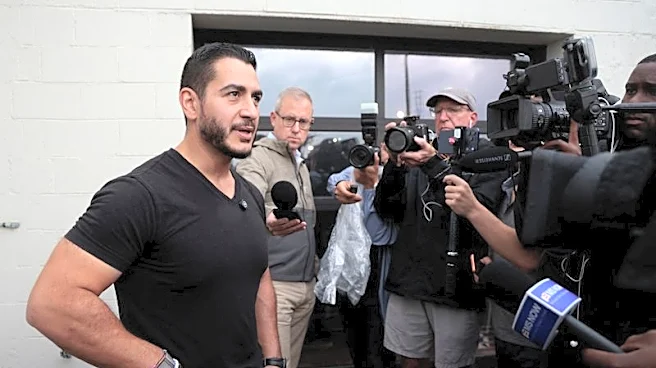
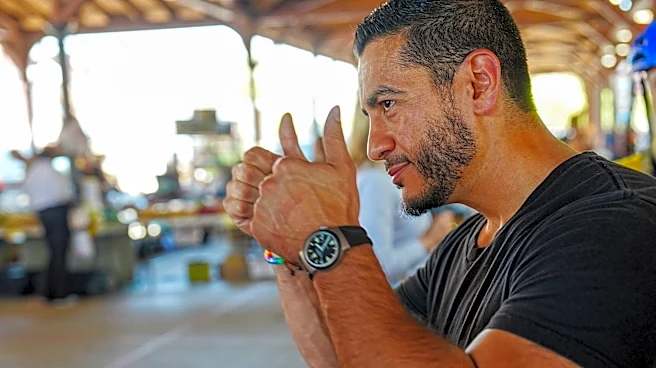
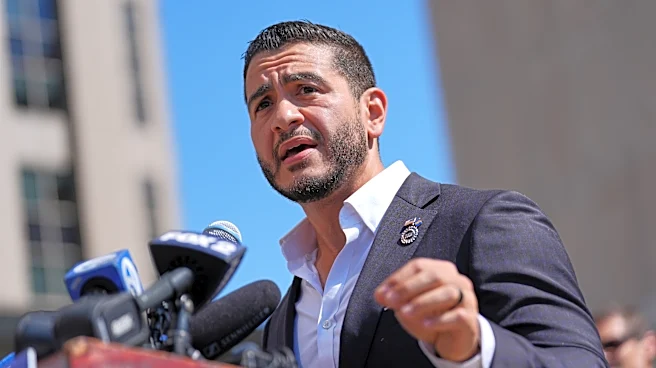
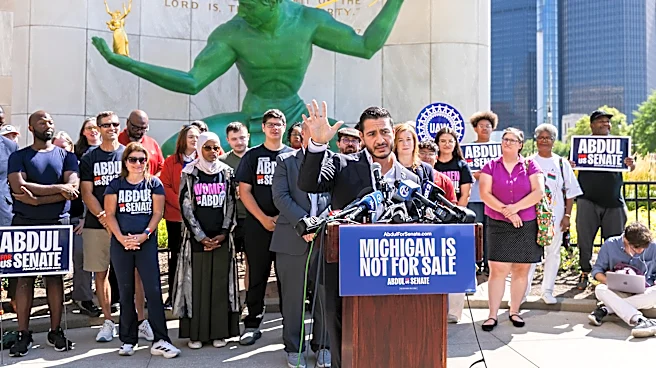
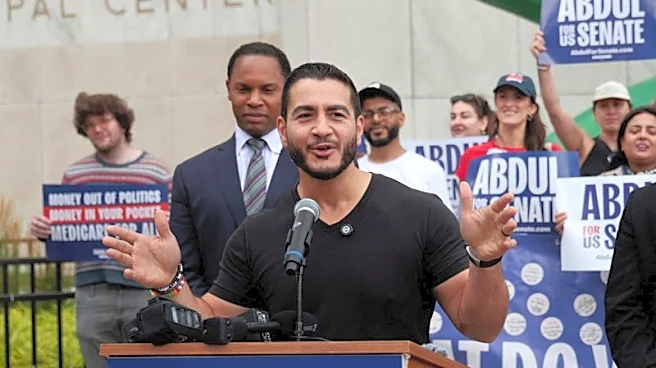
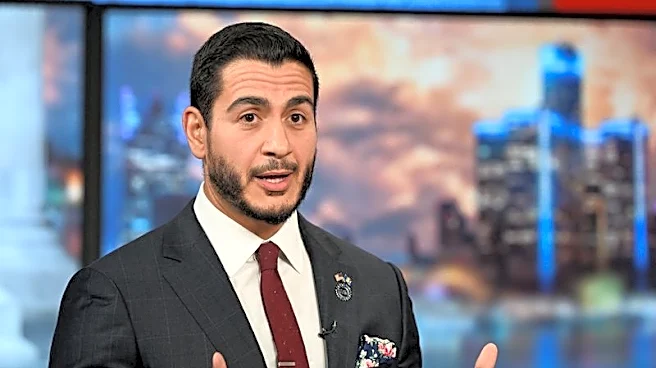
WASHINGTON, Aug 7 (Reuters) - Progressive Democratic proposals including "Medicare for all" and new taxes on billionaires have powered insurgent candidates including Abdul El-Sayed to primary victories this year, shaking the party establishment and leading it to worry about how Democrats will perform in November's midterm elections.
But a Reuters/Ipsos poll concluded early this week found those ideas -- though by no means all of the progressive agenda -- are supported by independent
voters who could be decisive in determining whether President Donald Trump's Republican Party maintains its congressional majorities for the next two years.
Some 64% of independent registered voters in the six-day nationwide poll said they support increasing taxes on corporations and billionaires, compared to 15% who oppose the idea.
And 60% of independents said they support government-provided healthcare coverage for all Americans, which progressives including Michigan U.S. Senate nominee El-Sayed have pitched as "Medicare for all" - expanding the government-run health insurance program to cover all Americans.
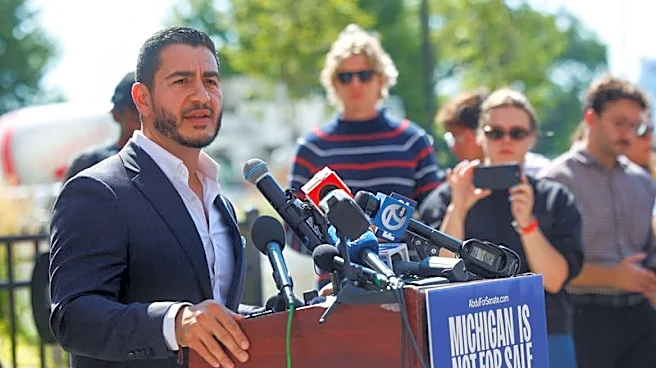
The results suggest a path forward for candidates like El-Sayed, who will face Republican Mike Rogers in what is expected to be a highly competitive contest that will play a key role in deciding Senate control. Michigan, which Trump won in two of the last three presidential elections, presents a sharper challenge for El-Sayed than those faced by some other high-profile progressives who won primaries in heavily Democratic areas.
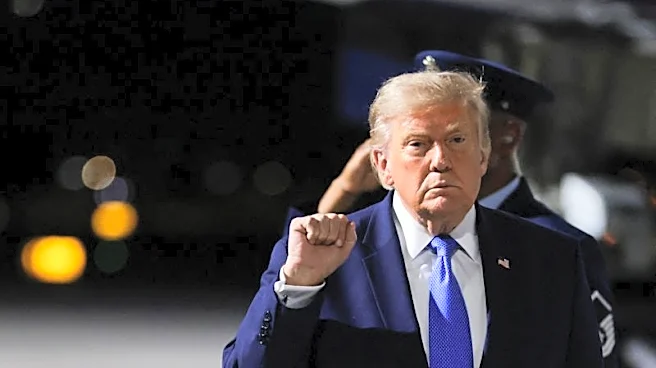
Republicans, led by Trump, have pounced on the rise of the democratic socialist movement, trying to paint all Democrats as extremists and sometimes inaccurately labeling them as communists. They have also sought to tie Democrats to some adherents' more extreme views; when Democratic Socialists of America national co-chair Megan Romer advocated for abolishing the U.S. Senate, erasing borders and defunding the Pentagon on Fox News last month, Republican leaders rushed to share it widely.
While El-Sayed is not a DSA member, he is backed by Democrats affiliated with the movement, including New York City Mayor Zohran Mamdani, U.S. Representative Alexandria Ocasio-Cortez and U.S. Senator Bernie Sanders. Sanders' 2016 and 2020 presidential campaigns helped bring to the mainstream progressive policies such as Medicare for all and higher taxes on the wealthy.
"The label hurts him a lot more than the issues," John Feehery, a Republican strategist, said of El-Sayed. "Republicans will call him a socialist, and he's endorsed by Bernie Sanders and AOC ... El-Sayed is very exciting to the left, but he's scary to the middle."
'WARNING SIGN'
Republican operatives are divided on whether such attacks will be enough in the face of Trump's unpopularity and voter frustration with the cost of living.
"Just calling someone a name or trying to associate them with another political figure who's not as well known as the president or a party leader doesn't seem like it's going to be an effective strategy when people are so deeply dissatisfied with politicians and parties on both sides," said Rob Godfrey, a Republican strategist.
Despite their support for specific progressive policies, independents have a negative view of democratic socialists, though most say they don't understand the term very well. Forty-three percent of independents said they would be less likely to vote for a candidate who identifies as a democratic socialist, compared to 22% who said they were more likely. The rest were unsure or did not answer the question.
More than one-third of independents said they believe "communist ideas and policies" have an influence on the Democratic Party, a finding that Adam Frisch, a former Democratic congressional candidate in Colorado, called a "huge warning sign."
"Independents do not like extremism," said Frisch, now the director of electoral programs for Welcome PAC, which backs centrist Democrats running in Republican-leaning House districts.
But Trump's Republicans have similar - and perhaps more severe - problems. Some 59% of independents said they were less likely to vote for a candidate who identifies with Trump's Make America Great Again "MAGA" movement.
INDEPENDENTS ALSO WANT REDUCED IMMIGRATION
Independents were more split on the notion of making college tuition free - another progressive idea backed by democratic socialists - with 44% saying they would like college tuition to be free for all Americans, compared to 31% who opposed the idea.
Those voters skewed slightly in favor of issues some U.S. conservatives now see as essential to their political ideology, such as reducing the level of immigration to the U.S., the Reuters/Ipsos poll found.
Some 40% say they want the U.S. to allow fewer immigrants into the country, while 30% opposed the idea. Forty percent back reducing government regulations on business compared to 26% who are opposed, while 47% are for cutting foreign aid and 23% are against.
The Reuters/Ipsos poll, conducted online July 29 through August 3, gathered responses from 4,505 U.S. adults, including 1,097 independents who were registered to vote. The results had a margin of error of 3 percentage points for the views of independent voters.
(Reporting by Joseph Ax and Jason Lange; Editing by Scott Malone and Alistair Bell)