





BERLIN, April 10 (Reuters) - Germany's economy minister on Friday proposed giving higher tax breaks to commuters but dismissed proposals by the government's junior coalition partner for an energy windfall tax, bringing a dispute over how to tackle soaring fuel prices into the open.
The Iran war has sent countries including Germany scrambling to deal with the biggest-ever disruption to global energy supplies, which hit at a time when Europe's largest economy was already struggling with weak growth
and global tariff ructions.
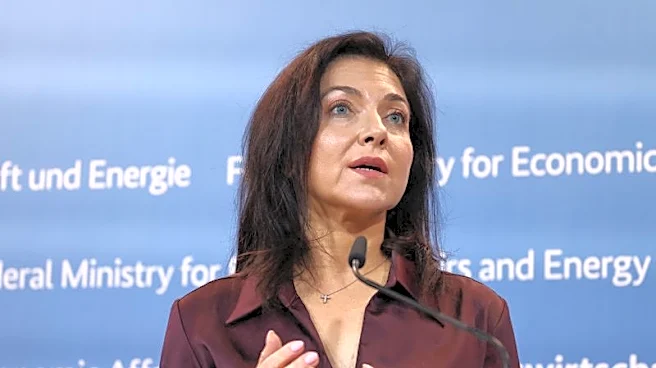
"The measures must be targeted. They must be directed at those areas where the burden is greatest. These include commuters or the logistics sector," Economy Minister Katherina Reiche told reporters.
Germany gives tax breaks to commuters, calibrated according to the distances travelled, allowing them to deduct part of the cost of driving between the home and a primary workplace from taxable income.
Hightlighting strains in the coalition between Chancellor Friedrich Merz's conservatives and finance minister Lars Klingbeil's Social Democrats, Reiche branded Klingbeil's proposals "expensive and ineffective".
Klingbeil had proposed an energy windfall tax, looking to regain the policy initiative following painful losses for his party at two regional state elections this year. Reiche said the proposal likely violated Germany's constitution.
"I categorically reject the windfall tax," she said.
The Social Democrats quickly hit back, with their Deputy Parliamentary Group Leader Esra Limbacher saying Reiche was not fit for her post.
"It is regrettable that an economics minister sees herself as a representative of the oil companies instead of working with her coalition partner to provide relief for the many small businesses," Limbacher told the Rheinische Post newspaper.
Reiche, who is also in charge of energy, called for lower diesel taxes for trucks and more direct payments to help people who travel long distances to work as temporary relief measures.
Germany has already introduced some measures, including limiting petrol stations to just one price rise a day.
(Reporting by Ludwig Burger and Kirsti Knolle; editing by Matthias Williams and Christina Fincher)