



By Siddharth Cavale
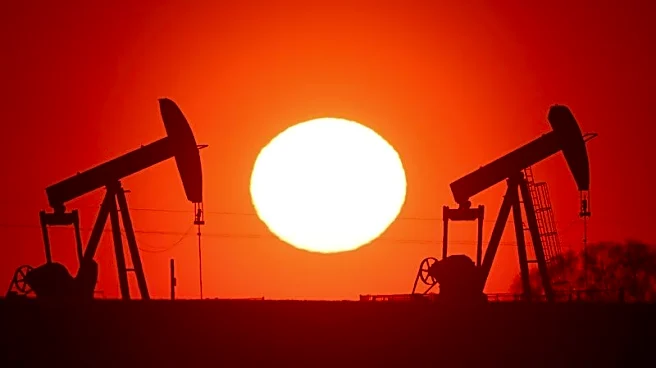
NEW YORK, Aug 27 (Reuters) - Oil prices rose by more than $1 on Thursday, after Washington confirmed it was not in talks with Iran despite diplomatic efforts by other countries, and hopes dimmed for a resumption of oil flows through the Middle East.
Brent crude futures climbed $1.08, or 1.23%, to $88.92 a barrel at 11:35 a.m. ET (1535 GMT). U.S. West Texas Intermediate crude futures gained 19 cents, or 0.23%, to $82.42.
"The weakness in WTI reflects an increasingly comfortable U.S.
crude balance," said Irina Tsukerman, president at geopolitical risk consultancy Scarab Rising.
On Wednesday, the U.S. Energy Information Administration reported a build in U.S. crude inventories, including a rise in stocks at the Cushing, Oklahoma, delivery hub.
Still, prices for Brent and WTI rebounded after three sessions of losses as investors reassessed expectations of a diplomatic breakthrough that could boost oil flows from the Middle East. A lack of progress in talks, combined with continually restricted flows, could have prompted an adjustment of market views, UBS analyst Giovanni Staunovo said.
The White House said no negotiations are happening between the U.S. and Iran, but all options remain on the table.
"No negotiations are happening right now, and this will continue until the president feels that maybe they come to the table in a meaningful way. We have not seen that yet," White House press secretary Karoline Leavitt said in an interview with Fox News.
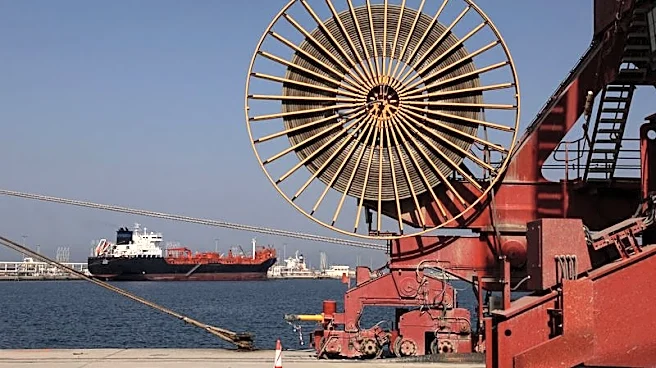
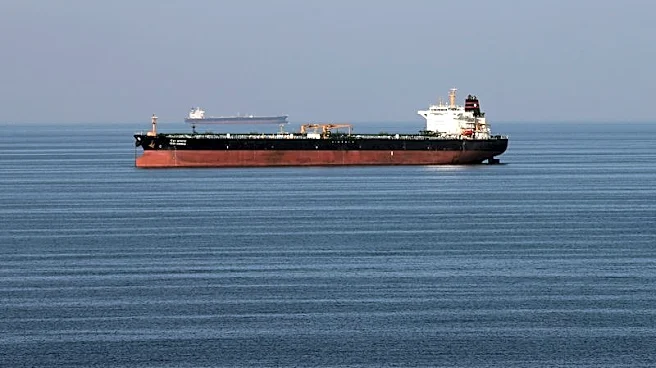
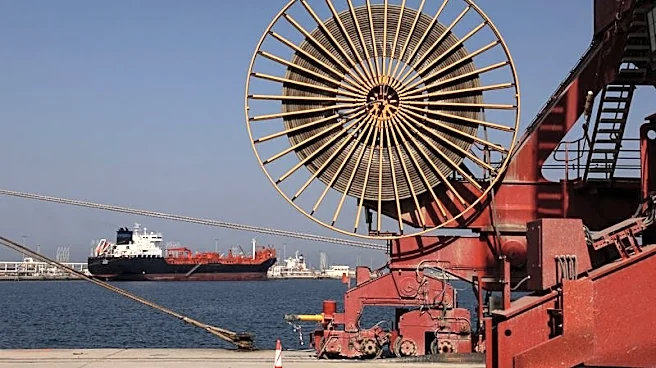
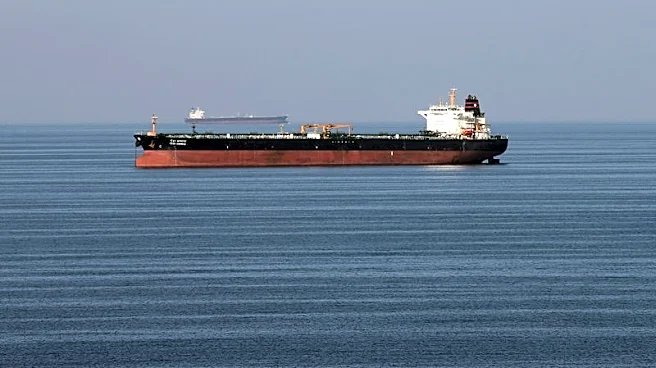
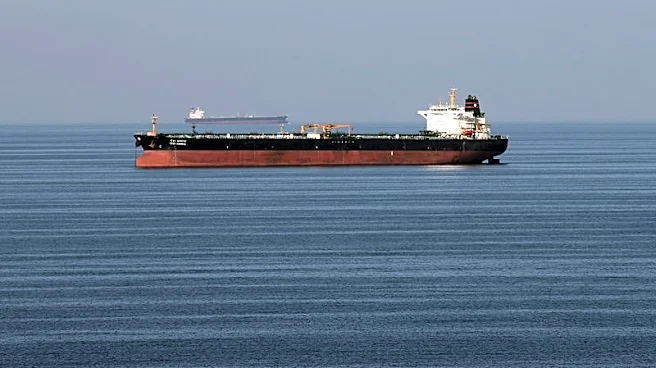
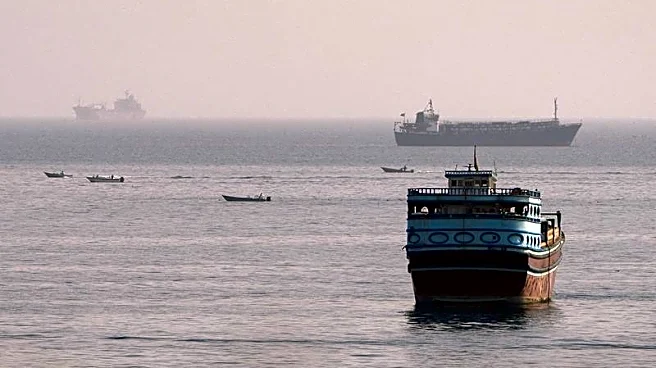
Qatar's prime minister visited Tehran in a bid to relaunch diplomatic talks to end the U.S.-Israeli war with Iran, on the eve of its six-month anniversary. Traffic through the Strait of Hormuz route for Gulf energy exports remains restricted.
The U.S. and Iran traded recriminations over Washington's promise to increase economic pressure on Iran.
On Monday, the U.S. announced the "toughest sanctions in history" on Iran, taking economic measures that Treasury Secretary Scott Bessent suggested would lessen the need for new major military operations.
Ebrahim Azizi, head of the Iranian parliament's national security committee, said the sanctions were an "inhumane and hostile act" which nonetheless had lost their effectiveness.
"The biggest risk right now is that optimism around a deal proves premature and negotiations stall or break down again. That would quickly re-inject risk premium into prices," KCM chief market analyst Tim Waterer said.
"At the heart of the dispute remains Iran's nuclear programme and that is unlikely to be resolved quickly ... Iran also understands the importance of its geographical position and the leverage that the Strait of Hormuz provides, so the risk of prolonged uncertainty remains," said Priyanka Sachdeva, head of market insights at Phillip Nova.
The Strait of Hormuz handled about one-fifth of global daily oil and liquefied natural gas supplies before the conflict began in late February.
Flows through the strait improved slightly on Wednesday, with 10 commodity vessels transiting the waterway, up from recent lows but still below the 10-day average of 15, according to Kpler data. Vessels exiting the strait included a medium-range fuel tanker, a bitumen tanker and a bulk carrier.
Elsewhere, geopolitical tensions escalated after Russia warned it could strike British military targets inside and outside Ukraine in response to Ukrainian attacks on Russian territory using British-supplied long-range cruise missiles.
(Reporting by Siddharth Cavale in New York, Robert harvey in London, Laila Kearney in New York, Emily Chow in Singapore and Anushree Mukherjee in Bengaluru. Editing by Thomas Derpinghaus, Conor Humphries, Mark Potter, Louise Heavens and David Gregorio)