
By Francesco Canepa
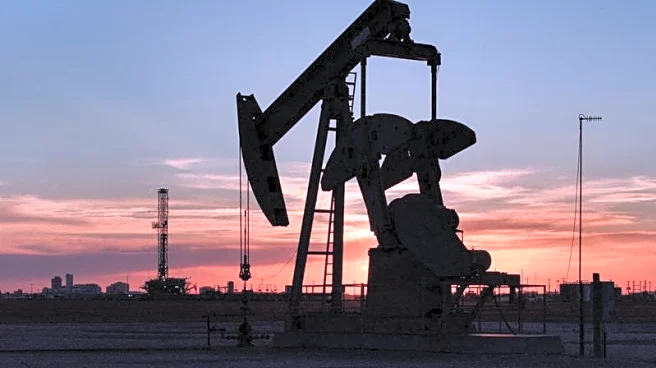
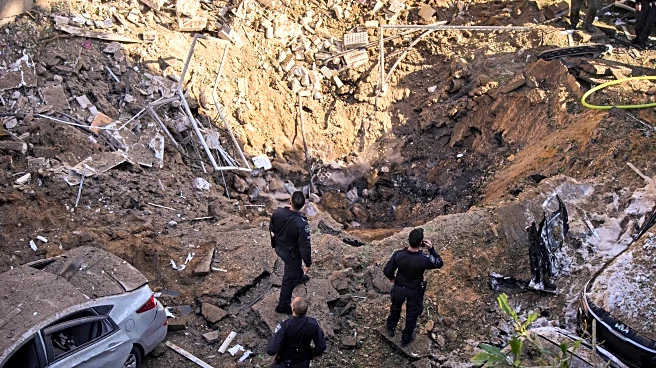
FRANKFURT, March 26 (Reuters) - Consumers in the euro zone's three largest economies are becoming more pessimistic, data showed on Thursday, as war in the Middle East raises fuel costs and threatens to unleash a new wave of inflation in the bloc.
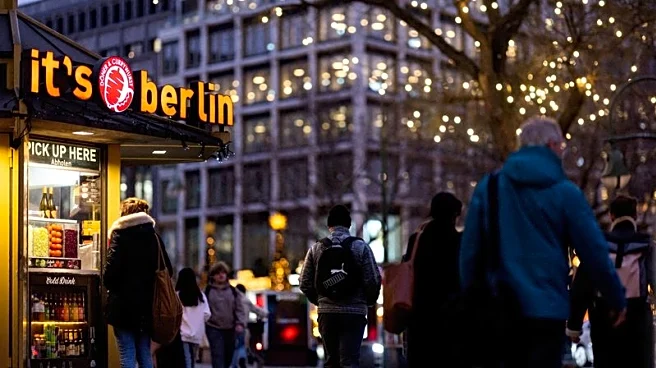
An index of German consumer sentiment fell to its lowest in two years this month and similar surveys in France and Italy also show growing unease, confirming a trend that economists expect to continue in the coming months.
"It's likely to
get worse before it gets better," Frederik Ducrozet, head of macroeconomic research at Pictet Wealth Management, said.
He said consumers had so far only seen a spike in fuel prices at the pump but had yet to grapple with a likely rise in food costs, resulting in part from fertilizers being stuck by the Strait of Hormuz.
A separate survey showed French industrialists were also growing more negative about the business climate.
"Given the survey collection timetable, the impact of the most recent developments is not yet fully reflected in the March data," ING's senior economist Charlotte de Montpellier said. "If the conflict does not ease in the coming days, a much sharper deterioration in sentiment can be expected in April."
German business morale has also deteriorated, another survey showed earlier this week and leading economists around the euro zone and the world, most recently at the OECD, have warned of slower growth or even recession.
HIGHER BORROWING COSTS MAY HURT GROWTH
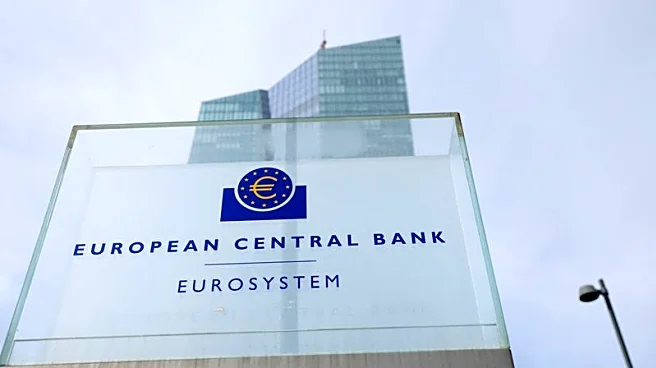
The ECB has made clear it won't let a new energy-led spike in inflation take root in the euro zone, strongly hinting at interest rate hikes in the coming months.
Markets expect two or three rate increases this year and bond yields further out, which are a gauge of borrowing costs on financial markets, have also risen.
The higher cost of credit was likely to compound the war's negative impact on economic activity.
Pictet's Ducrozet said the ECB might find itself cutting rates again next year if the growth outlook sours and drags down inflation.
"The question is how fast the evidence will come in if they are wrong and need to reverse the hikes," he said.
He argued fiscal support was likely to be less generous than at the time of the last energy-fuelled inflation spike in 2022, when Russia invaded Ukraine, and economic growth more sluggish to start with.
Growth in bank lending was stable in February, ECB data showed on Thursday, indicating that economic activity in the bloc was likely growing at a moderate pace before the Iran war broke out.
Finnish central bank governor Olli Rehn also said on Thursday the ECB should look at the economy in its entirety and not just at oil prices.
(Editing by Toby Chopra)