






By Daina Beth Solomon and Inigo Alexander
MEXICO CITY, June 10 (Reuters) - Mexico's financial system remains solid and can handle adverse situations, the central bank said on Wednesday, while highlighting geopolitical conflicts as issues to monitor.
Risks in the system have increased marginally since the prior stability report published in December, it said, although the system has strong capital and liquidity levels and would be able to withstand shocks.
Total financing of the non-financial sector
of Mexico's economy reached 103.9% of GDP in the first quarter, with more than half of that concentrated in the public sector, the central bank report showed.
The Bank of Mexico, known as Banxico, described geopolitical conflict, cyber issues and climate events as potential risks.
Among internal financial risks, it flagged a possible deterioration of the country’s economic growth outlook, as well as higher-than-expected inflation and a downgrade in the sovereign credit rating.
Last month, Banxico lowered its projection for economic growth this year to 1.1% from 1.6%, based on a weak first quarter.
Moody's Ratings in May downgraded Mexico's credit rating to "Baa3" from "Baa2" and said it forecast modest short-term economic growth.
Bank of Mexico Governor Victoria Rodriguez said she did not expect further downgrades.
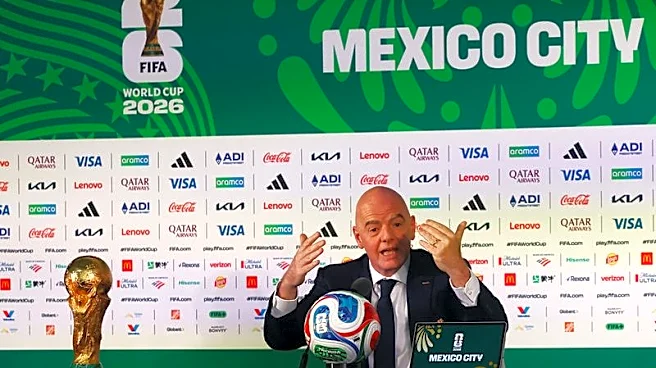
Banxico governors said they expected a positive effect on Mexico from the upcoming World Cup matches, without significant or persistent pressure on inflation.
"In general, I believe that events like this tend to have localized and temporary impacts - affecting specific prices rather than having a widespread effect," said Deputy Governor Omar Mejia.
"However, I believe the impact on the economy will be entirely positive."
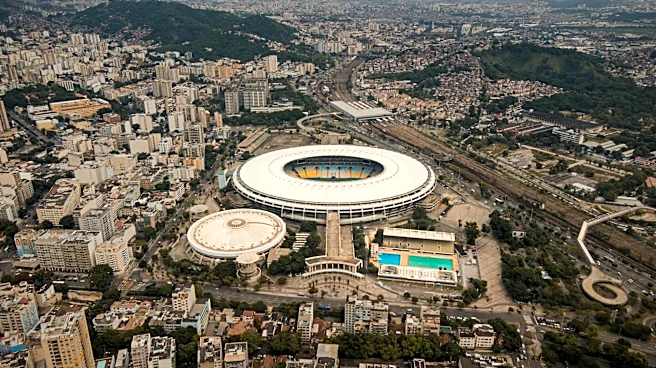
Mexico will host 13 games in the tournament, out of a total of 104 spread out across the United States and Canada.
Moody's in a report this week said it expected a direct boost to Mexican tourism of $1.03 billion, almost 3% higher than last year.
"We estimate that the event will have a modest economic impact on the country, less than that observed in other FIFA World Cups held in recent history," the report said.
(Reporting by Daina Beth Solomon and Iñigo Alexander; Editing by Edmund Klamann)