






By Kirsti Knolle and Holger Hansen
BERLIN, May 7 (Reuters) - Germany's council of tax experts cut its forecast for tax revenues over the next five years, heaping more pressure on a government already facing yawning budget gaps and an energy shock from the Iran war.
The panel revised down its estimate of total tax revenues for the 2026-2030 period by 87.5 billion euros ($103 billion) compared with the previous forecast for the same period, according to projections released on Thursday.
For this year,
the panel forecast federal revenues coming in at 382 billion euros, 9.9 billion euros less than it projected in October. For 2027, it now expects federal tax income of around 395 billion euros, 10.1 billion euros less.
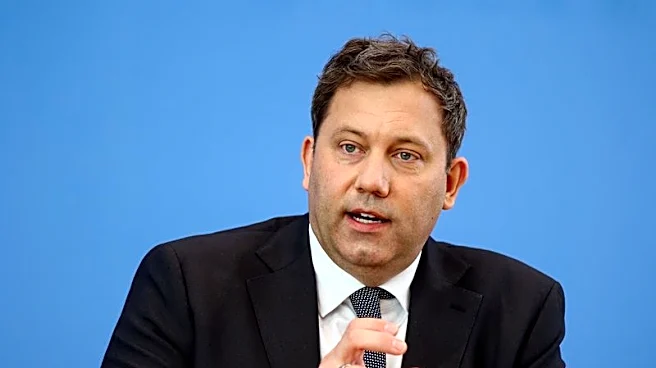
Finance Minister Lars Klingbeil blamed the shortfall primarily on the Iran war, saying that just a few weeks ago the government had still expected a mild economic upturn.
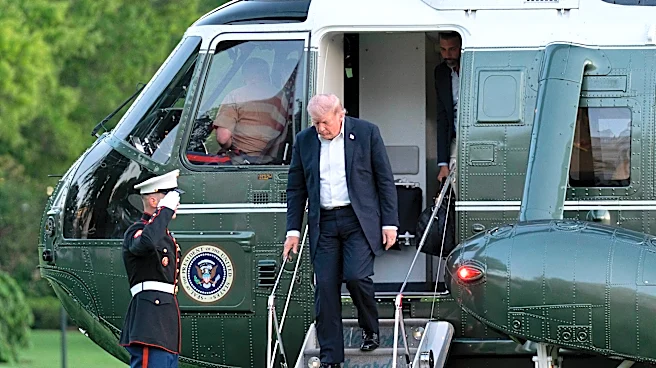
"(U.S. President Donald) Trump's irresponsible war and the resulting global energy price shock are temporarily slowing down the positive economic momentum," Klingbeil said.
"The war is costing us money," he said, adding that the government was ready to act at any time should the crisis deepen further.
ECONOMY UNDER PRESSURE
The downward revision adds to a fiscal picture already stretched by record spending commitments. Last week, Chancellor Friedrich Merz's government approved a 2027 draft budget featuring total borrowing of 196.5 billion euros and defence spending set to reach 3.1% of gross domestic product, in line with NATO commitments.
Klingbeil said the new revenue projections had already been factored into the government's 2027 draft budget. He said he saw a need for additional net savings of around one billion euros.
For this year, the minister expected a net revenue shortfall of roughly five billion euros, a gap he said could be managed through budget execution, in line with recent practice.
The DIW economic institute called the forecast a warning signal and said the desire for tax relief was running up against ever-narrowing fiscal room. The Association of German Chambers of Commerce and Industry said that without growth the government's hands would remain tied.
The government has already halved its 2026 growth forecast to just 0.5%, citing the impact of the Iran crisis.
German EU-harmonised inflation rose to 2.9% in April, driven by a 10.1% year-on-year spike in energy prices, while the number of unemployed people in Germany rose above the politically sensitive 3 million mark in April.
COALITION DISPUTES
The tax shortfall is likely to intensify disputes within Merz's coalition between his conservative CDU/CSU faction and Klingbeil's centre-left Social Democrats over spending priorities, tax reform and welfare.
Opinion polls now put the far-right Alternative for Germany ahead of the CDU, and 73% of Germans say they doubt Merz's economic competence.
Addressing Merz directly, Klingbeil set out a clear condition for any joint tax reform: top earners must shoulder a greater burden to deliver meaningful relief for low and middle income earners.
(Reporting by Kirsti Knolle Editing by Miranda Murray)