
By David Shepardson
WASHINGTON, April 30 (Reuters) - Union Pacific and Norfolk Southern on Thursday submitted a revised merger application with the Surface Transportation Board, seeking approval of an $85
billion tie-up to create the first U.S. coast-to-coast freight rail operator.
The railroads said the deal would save shippers an estimated $3.5 billion annually. They said the combination would improve service reliability, divert freight from trucks to rail, retain shipper options and deliver broad public benefits while protecting union jobs.
A number of groups, including freight shippers who fear higher rates, have raised concerns about the proposed merger, as have attorneys general in some states.
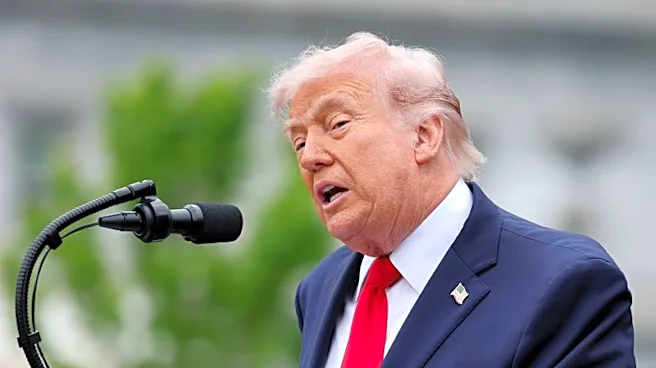
President Donald Trump has backed the proposed merger, which would have been unthinkable under former President Joe Biden's administration which had cracked down on consolidation.
The railroads forecast that the network would result in taking approximately 2.1 million trucks off the road, with savings that should reduce consumer prices. The revised application forecasts the combined company will need 1,200 net new union jobs by the third year to handle new business.
The companies are offering a "jobs-for-life guarantee – every union employee with a job at the time of the merger will continue to have one."
The board said comments on the completeness of the revised application are due May 8.
The American Fuel & Petrochemical Manufacturers association said the deal "would carry significant consequences for American refiners, petrochemical manufacturers and the broader economy. ... History shows consolidation has, too often, led to higher rates, longer transit times and reduced service."
The deal could reshape the country's freight rail industry, helping to streamline operations and eliminate interchange delays in hubs like Chicago.
The Trump administration has tended to approve large transactions or impose remedies rather than block them outright.
The railroad industry has struggled with volatile freight volumes, rising labor and fuel costs, and growing pressure from shippers over service reliability.
It is the first major proposed railroad merger to be reviewed under the stricter framework put in place more than two decades ago, which requires applicants to prove their transaction would enhance competition — not merely preserve it — while delivering demonstrable public-interest benefits.
(Reporting by David Shepardson, Editing by Louise Heavens and David Gregorio)