







By Olivia Le Poidevin
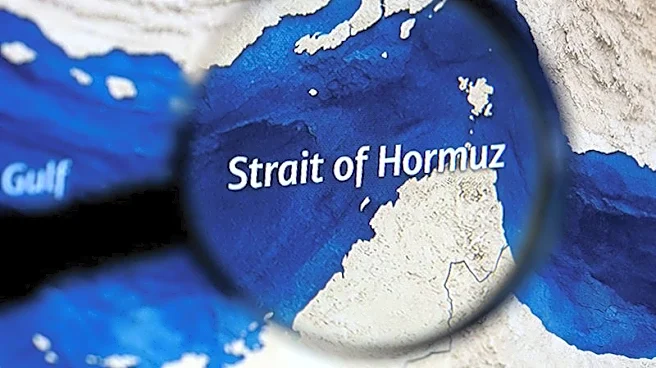
GENEVA, April 13 (Reuters) - A diplomatic push is under way on a U.N.-led proposal to ensure safe passage for fertiliser shipments through the Strait of Hormuz, the U.N. said on Monday, with a source familiar with discussions emphasising growing urgency due to shortages.
The six weeks of fighting sparked by U.S.-Israeli joint strikes on Iran, which spread to Lebanon and the Gulf, have killed thousands of people across the Middle East, upending global supply chains nL1N4050H4 following
a near-total halt to shipping via the Strait of Hormuz.
The U.S. military said it will begin a blockade nL6N40V09S of all maritime traffic entering and exiting Iranian ports and coastal areas on Monday, after failed weekend talks to end the war jeopardized a fragile two-week ceasefire.
There is an urgent need to find a solution, a source familiar with the U.N.-led initiative told Reuters, noting that some farmers in Latin America are already skipping second corn plantings and that African growers face a critical window, with severe yield losses looming without fertilisers.
"Extensive meetings" have been held in New York over the past two weeks on the design and operationalisation of the mechanism with the relevant member states, Juliette Touma, UNOPS director of communications, told Reuters.
The meetings, led by Jorge Moreira da Silva, executive director of the United Nations Office for Project Services, are ongoing, Touma added.
The proposed mechanism https://www.unops.org/news-and-stories/speeches/statement-on-plans-to-facilitate-the-movement-of-goods-for-humanitarian-purposes-through-the-strait-of-hormuz seeks to facilitate safe transit of commercial vessels carrying fertilizers and related materials through the strait and mitigate potential humanitarian fallout nL6N40S0ROon fertilizer-dependent nations in Asia and Africa, she said.
A more-than-90% drop in tanker traffic is threatening agricultural production and global food security, the UN Food and Agriculture Organization says.
Businesses seek a mechanism that would restore freedom of navigation without the need for naval escorts or tolls, the source familiar with discussions said, adding that the initiative could eventually expand to other goods.
(Reporting by Olivia Le Poidevin; Editing by Janane Venkatraman)