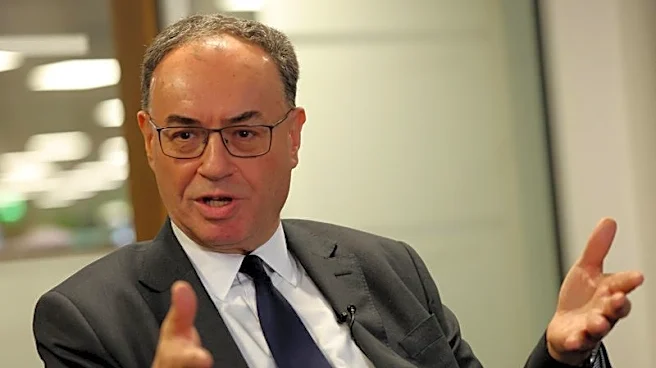

LONDON, April 16 (Reuters) - The Bank of England was "not going to rush to judgements" on interest rate rises, Governor Andrew Bailey told BBC News, as global central banks contend with an energy price
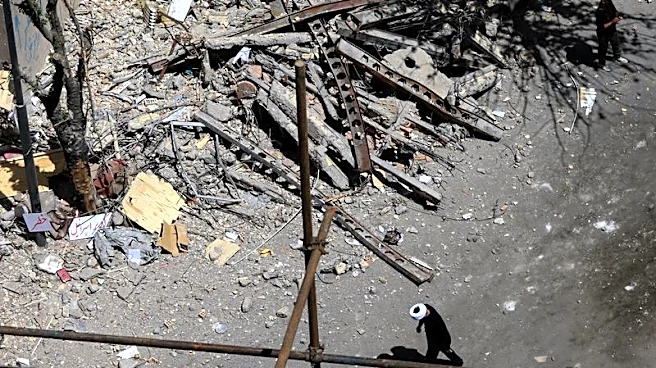
shock driven by the Iran war.
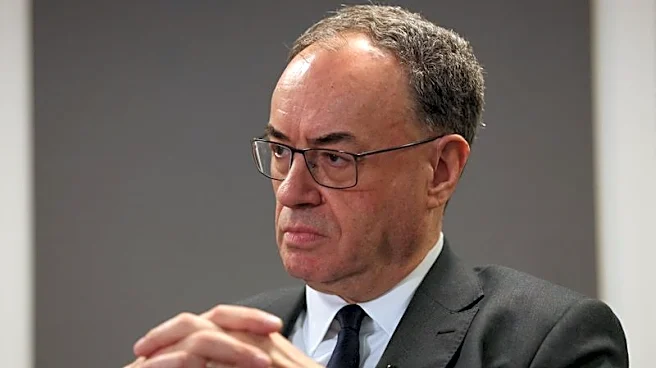
Bailey, in Washington for the International Monetary Fund's spring meetings, said higher oil and gas prices would certainly feed through to prices, but that other factors made a decision on rates "very, very difficult", according to the report.
"There's really difficult judgements to be made," Bailey said. "We're not going to rush to judgements on those things, because there are a lot of uncertainties around this, not just how it's going to play out, but also how it's going to pass through into the UK economy."
The IMF on Tuesday cut its growth outlook, citing war-driven energy price spikes and supply disruptions, and said the global economy could be driven to the brink of recession if the war widens and oil stays above $100 per barrel through 2027. Britain suffered the sharpest downgrade among large rich economies.
Echoing Bailey's remarks, European Central Bank policymaker Alexander Demarco said policymakers needed be patient and not rush any decision, while acknowledging that the euro zone economy may be moving towards the ECB's adverse scenario.
The comments from both policymakers underscored a cautious approach to monetary policy due to uncertainty over the economic impact of the energy price shock, and followed the IMF's advice to central banks to signal an objective to "protect price stability, but don't rush".
Bailey said in March - when the central bank held rates - that financial markets were getting ahead of themselves in expecting rate increases following the decision. The bank's next rates decision meeting is on April 30.
(Reporting by Muvija M, editing by Andy Bruce)