







By Lucia Mutikani
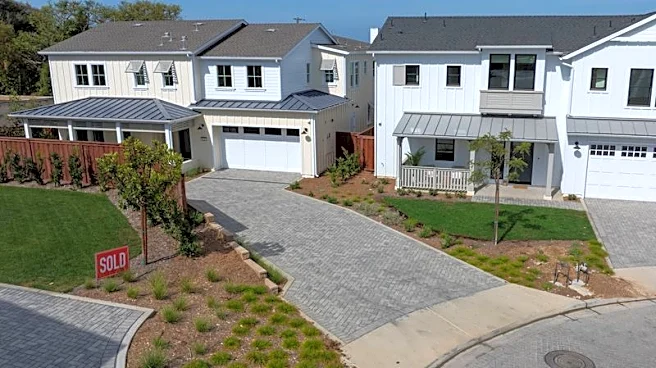
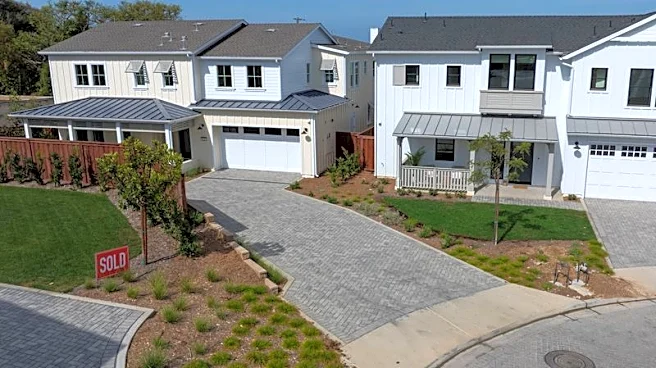
WASHINGTON, Nov 18 (Reuters) - US single-family homebuilding rebounded in October, but the improvement is likely temporary, with permits for future construction dropping to their lowest level in over 3-1/2 years as high mortgage rates continued to depress housing demand.
The housing market has been in a slump since mid-2024, a downturn exacerbated by the US-Israeli war with Iran, which is fanning inflation and driving up borrowing costs, leaving many young Americans unable to afford
buying a home.
Economists expect the housing market downturn to persist in 2027, especially with the Federal Reserve forecast to continue raising interest rates after next month's widely expected hike to quell inflation. Contracts to buy previously owned homes fell to a record low in October, other data showed on Wednesday.
The reports followed on the heels of a survey on Tuesday showing sentiment among single-family homebuilders diving to a more than 14-1/2-year low in November.
"The US housing market is in a funk," said Heather Long, chief economist at Navy Federal Credit Union. "Buyers don't want to purchase a home at these high prices and high mortgage rates, and builders don't want to build new homes or take risks in this market. This is a key reason home prices are staying high despite the lack of buyers."
Single-family housing starts, which account for the bulk of homebuilding, increased 4.0% to a seasonally adjusted annual rate of 864,000 units last month, the Commerce Department's Census Bureau said. Homebuilding declined 3.2% on a year-over-year basis in October.
Building permits for single-family housing projects tumbled 8.7% to a rate of 772,000 units, the lowest level since January 2023. They have now declined for three straight months. Building permits fell in all four regions, with a double-digit decline in the West. Permits decreased 12.9% year-on-year in October.
The rate on the 30-year fixed mortgage has surged by 120 basis points since the conflict started in late February, data from mortgage finance agency Freddie Mac showed, averaging 7.18% last week. Financial markets have priced in a 25-basis-point rate hike at the US central bank's December 8-9 meeting and anticipated another increase in borrowing costs in January, CME's FedWatch tool showed.
Fed Governor Christopher Waller said on Wednesday the central bank needs to get more aggressive in its response to inflation that he fears is changing public psychology about prices, and either approve a half-point hike at the December meeting or communicate a faster pace of hikes in 2027.
The Fed left its benchmark overnight interest rate in the 3.75%-4.00% range last month.
HOMEBUILDER SENTIMENT DETERIORATES
Homebuilding is also being constrained by the Trump administration's immigration crackdown, which the National Association of Home Builders said on Tuesday was "keeping legal workers off construction sites, deepening labor shortages and driving up costs." Developers were also facing growing cost pressures from high energy and material prices.
Subdued demand has left an overhang of unsold new homes on the market that is also discouraging builders from breaking ground on single-family housing projects.
The number of single-family houses approved for construction that are yet to be started dropped 3.2% to 151,000 units in October. The inventory of single-family housing under construction fell 0.2% to 581,000 units.
"This figure likely needs to decline in light of weaker demand for homes, which means that housing starts probably need to slow down, or at a minimum remain below the prevailing trend, in the coming months to avoid a backup in new home inventories," said Stephen Stanley, chief US economist at Santander US Capital Markets.
Residential investment, which includes homebuilding, has contracted in eight of the last 10 quarters. The housing market drag has not dented the economy as it accounts for a small share of gross domestic product.
Starts for housing projects with five units or more, a very volatile segment, soared 25.5% to a rate of 433,000 units in October. Multifamily housing starts increased 22.0% on a year-over-year basis. Overall housing starts rebounded 9.9% to a pace of 1.309 million units. Economists polled by Reuters had forecast starts rising to a rate of 1.245 million units.
They rose 2.8% on a year-over-year basis in October.
Building permits for multifamily housing projects fell 5.2% to a rate of 475,000 units last month. Overall building permits tumbled 7.4% to a rate of 1.295 million units. Permits declined 8.7% on a year-over-year basis in October.
"Builders are trying to unload current inventory heading into 2027, offering more incentives and lowering prices," said Ben Ayers, senior economist at Nationwide. "But with mortgage rates likely to remain elevated, activity could increasingly shift to apartments and condos with more renters staying in place due to housing affordability concerns."
(Reporting by Lucia Mutikani; Editing by Chizu Nomiyama, Andrea Ricci and Deepa Babington)