



By Karen Brettell
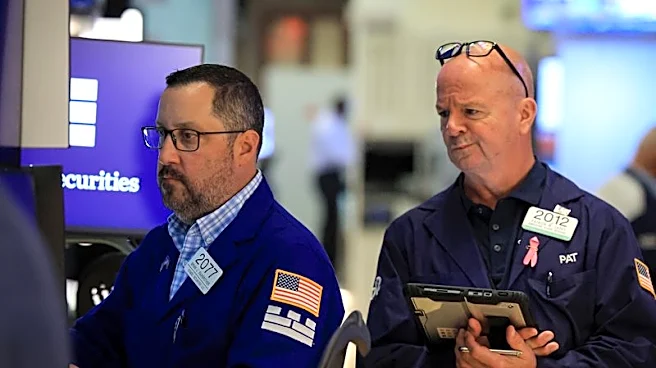
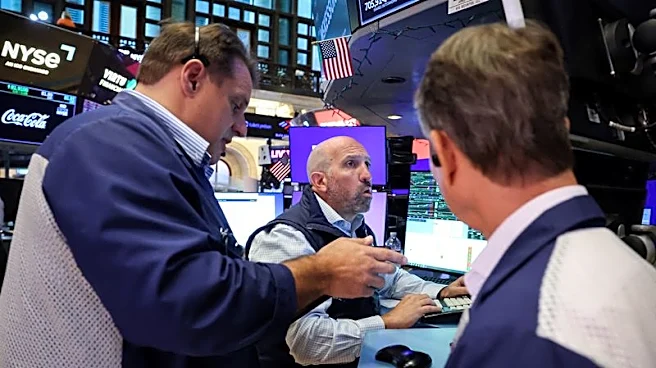
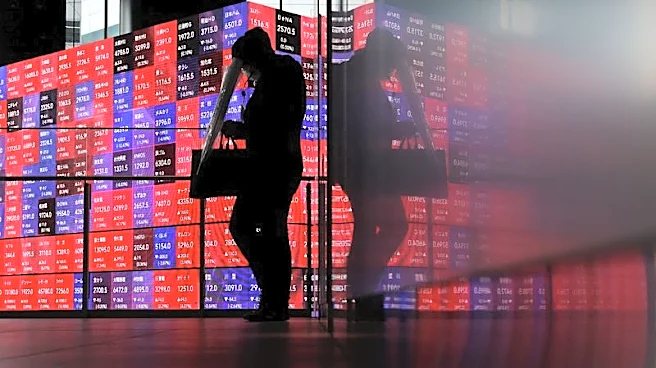
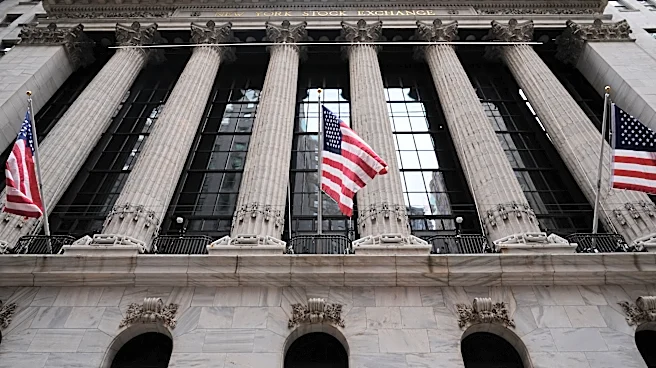
July 29 (Reuters) - U.S. stocks fell while oil prices and Treasury yields climbed as fighting in the Iran war resumed, just hours ahead of the Federal Reserve's highly anticipated interest rate decision, due later on Wednesday.
The Fed is widely expected to hold rates steady, but traders are pricing in roughly 34% odds of a hike as rising oil prices reignite concerns about inflation that remains well above the U.S. central bank's 2% annual target. Markets are now fully pricing in a rate hike by
the Fed's September meeting.
"The bottom line, from a market point of view, is if oil prices remain elevated in September, the Fed will conclude the oil shock has lasted long enough to demand a rate hike, or hikes," said Chris Low, chief economist at FHN Financial. "The market has also concluded some participants will make the case for hikes today ... and there is a not-insignificant chance they will convince a majority of the voters to back them."
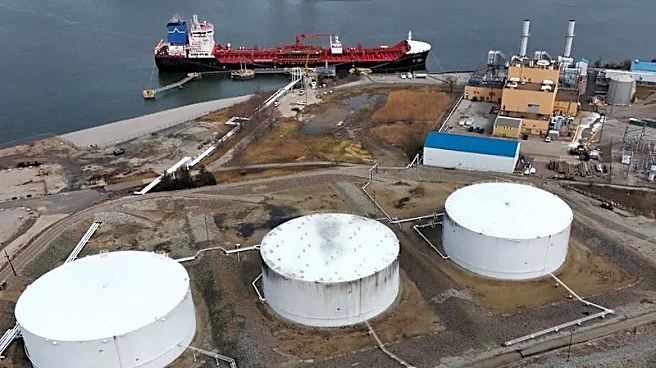
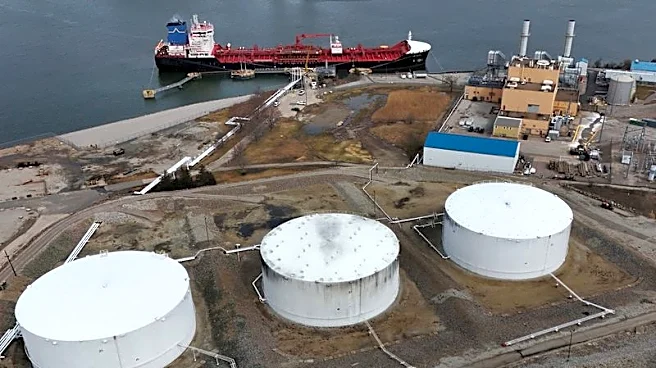
Oil prices jumped more than 6% after major airstrikes resumed in the Middle East, dashing hopes for an imminent end to the Iran war. The rally was compounded by industry data showing a drop in U.S. crude inventories.
Uncertainty over the outcome of Wednesday's Fed meeting is also high due to Fed Chairman Kevin Warsh's preference for offering less forward guidance on the Fed's likely monetary path.
The yield on benchmark U.S. 10-year notes rose 2.45 basis points to 4.629%, from 4.604% late on Tuesday.
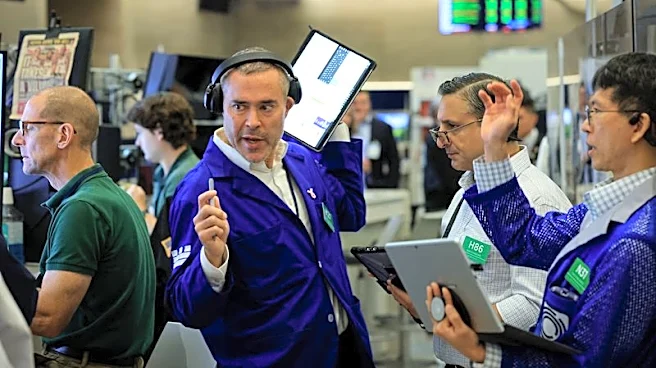
The Dow Jones Industrial Average fell 1.37% to 52,024.98, the S&P 500 fell 0.62% to 7,382.73 and the Nasdaq Composite fell 0.83% to 24,670.21.
EARNINGS TO SET TONE
Investors are also awaiting a wave of key earnings, with Microsoft and Meta due to report after the market close, followed later this week by Amazon.com and Apple.
Global markets have been volatile this month as investors question the sustainability of the AI spending boom amid signs that major U.S. companies are deepening a web of AI-linked investments and continuing to funnel billions into the technology at the expense of free cash flow.
"The pressure is shifting from spending plans to returns on investment. Investors want evidence that AI capex is generating revenues now, while also strengthening the future growth outlook," said Gina Martin Adams, chief market strategist at HB Wealth.
The scrutiny comes as competition from China intensifies, both in the race to develop advanced chips and as Chinese firms roll out cheaper AI models.
Expectations have grown so lofty that even a sixfold jump in SK Hynix's quarterly profit fell short, sending its shares tumbling 9.61%.
South Korea's KOSPI, which has become emblematic of the wild swings in AI sentiment, fell nearly 6% a day after sinking more than 10% to a three-month low.
In response, South Korea will introduce additional curbs on single-stock leveraged exchange-traded funds, or ETFs, including a cap that could limit an individual's investment in such products to 20% of their total investment assets, the finance ministry said on Wednesday.
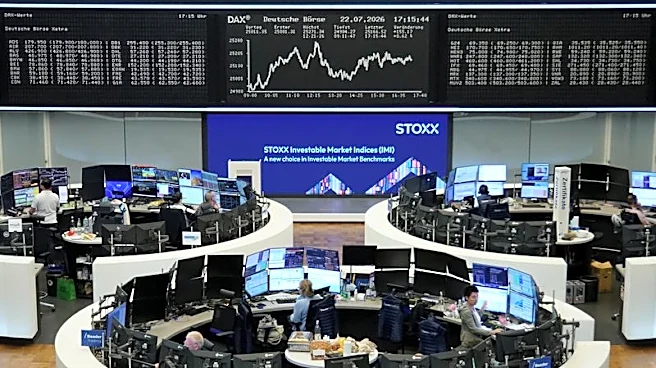
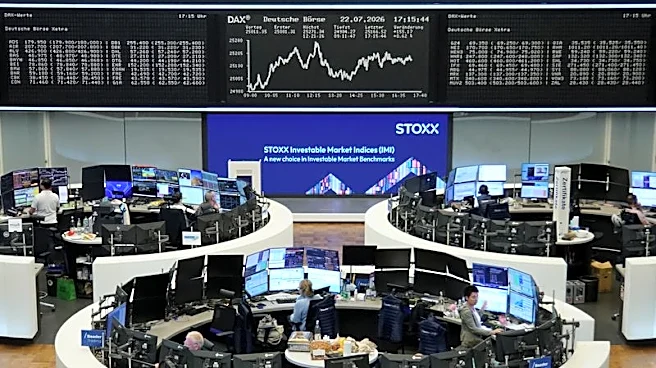
The pan-European STOXX 600 index fell 0.21%, while Europe's broad FTSEurofirst 300 index fell 0.28%.
The MSCI All Country World Price index dropped 0.57% to the lowest since June 26.
(Reporting by Karen Brettell; Additional reporting by Niket Nishant, Ankur Banerjee, Johann M Cherian and Ragini Mathur; Editing by Will Dunham)