


By David Lawder
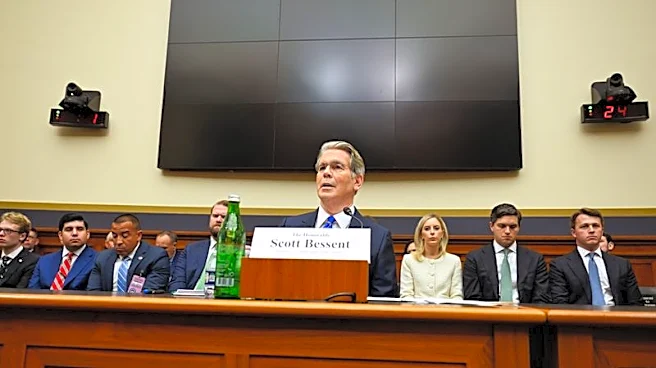
WASHINGTON, Sept 15 (Reuters) - U.S. Treasury Secretary Scott Bessent defended a range of Trump administration economic policies before lawmakers on Tuesday, from currency and bond market interventions to AI safety, disclosing plans to meet with his Chinese counterpart this weekend.
Bessent told a hearing of the House Financial Services Committee that U.S. President Donald Trump and Chinese President Xi Jinping would continue discussions next week on Iran and China's financial links
to Tehran. Washington has been seeking to shut Iran out of Western financial systems as the Iran war stretches into its seventh month.
The hearing was nominally on the international finance system, including reforms to the International Monetary Fund and World Bank, but lawmakers peppered Bessent with questions about more pressing issues, such as the state of financial markets and the economy, and the administration's financial measures against Iran.
As the hearing got under way, several protesters stood up one after another to call for an end to sanctions on Iran and the war, forcing Bessent to stop and restart his opening statement. The people were hustled from the room.
Bessent told reporters rising bond yields were due to "global issues," as he headed into the hearing. The U.S. 10-year Treasury yield hit peaks on Tuesday not seen since 2007 amid a global bond rout experienced by most other large economies.
Analysts tie the U.S. bond yield increase to higher oil prices and expectations the Federal Reserve will raise its policy rate this week, as well as competition for capital from AI spending and concerns about the U.S. fiscal trajectory.
During the hearing, Bessent acknowledged the rise in the 10-year yield reflects "the need to address the deficit," among other factors.
U.S. bond yields have risen despite the Treasury's decision to double the size of longer-term debt buybacks that Bessent has described as a way to inject liquidity and counter the rise in yields, or at least slow it down.
Bessent told lawmakers the buybacks were successful in keeping yields from rising more, and that they underscored U.S. credibility.
"There is a counterfactual of what would it have done — and we then proceeded to have the two most successful Treasury auctions that we've had in 20 years," Bessent told the congressional hearing. "Since President Trump has come in, (the U.S. bond market) has been the best-performing bond market in the developed world."
He also defended the Treasury's joint intervention with Japan to shore up its currency, saying the U.S. purchased a "nominal amount" of yen to signal support for Japanese policies, and made tens of millions of dollars in the process.
"A stronger yen is better for American exports. A stronger yen means that the Japanese government will not have to sell U.S. assets to finance foreign currency intervention," Bessent added.
BESSENT HIGHLIGHTS FALLING POVERTY RATE
Several Democratic lawmakers pressed Bessent on the state of the economy, inflation and the rising cost of living — tying it to the Iran war and the run-up in global oil prices. Bessent blamed inflation on the previous Biden administration, and said Americans are better off under Trump.
He pointed to fresh data from the U.S. Census Bureau showing that the percentage of Americans in poverty last year dipped 0.5 percentage point to the lowest rate on record, 10.2%, with 34.5 million Americans in poverty. Median household income increased 2.6% last year to a record $87,460.
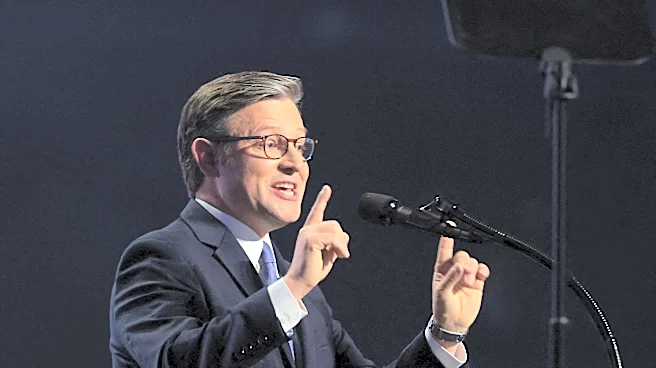
Bessent was also asked if Trump's proposal to pay each American $5,000 if the Republican Party maintains congressional majorities in the November elections was serious. He said he would work with House Speaker Mike Johnson to make those payments happen if congressional approval proved necessary.
Bessent said the U.S. dollar's strength reflects the Trump administration's credibility.
"A strong dollar is not a price on a screen; it is a set of behaviors, and what we have seen in this administration, where we are creating regulatory certainty, tax certainty, trade certainty and energy certainty that is bringing in trillions of dollars into the U.S.," Bessent said.
AI SAFETY CONCERNS
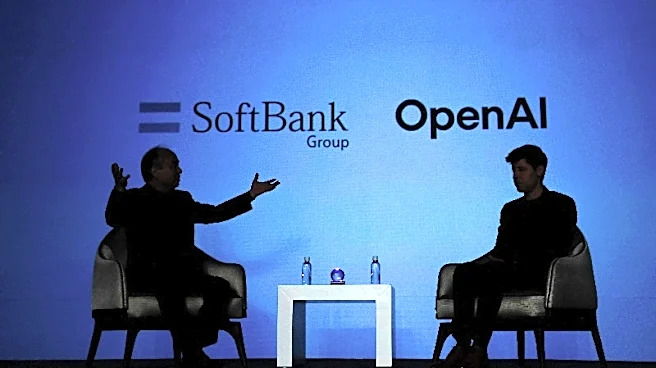
Democrats questioned Bessent on concerns over increasingly powerful AI models after Anthropic CEO Dario Amodei called on AI companies to slow the rate of advancement to ensure their safety — sentiments echoed by OpenAI CEO Sam Altman and Elon Musk, who runs xAI.
Asked about the administration's position on this, Bessent said the Treasury has "been working on safety nonstop since the release of Mythos" earlier this year, working with banks to share patches for cybersecurity software vulnerabilities exposed by the Anthropic model.
He said the administration forced Anthropic to withdraw a model for safety checks, and that AI labs should be held accountable for their creations, but it was important to stay ahead of China in the AI development race.
"I can tell you what we shouldn't do on safety is to give these labs a liability exemption, which is what they are asking for," Bessent said. "The best way to guarantee safety is that the creators are liable for what they build and generate, and put out into the economy and to the American people and to the world populace."
(Reporting by David Lawder; Writing by Susan Heavey and Ann Saphir; Editing by Doina Chiacu, Andrea Ricci, Rod Nickel)