






By Ankur Banerjee
SINGAPORE, May 12 (Reuters) - The U.S. dollar held its ground on Tuesday as talks to end the war in the Middle East showed no signs of progress, pushing oil prices higher and worrying investors that interest rates may need to stay higher to tackle inflationary pressures.
Investors now fear that the ceasefire that has been in place since April 7 could be in danger and hostilities could resume in the conflict which began at the end of February, killing thousands and halting vital energy
flows.
With the crucial Strait of Hormuz staying largely closed, Brent crude futures were up 0.3% at $104.55 a barrel. U.S. West Texas Intermediate was at $98.17 per barrel, up 0.13% on the day.[O/R]
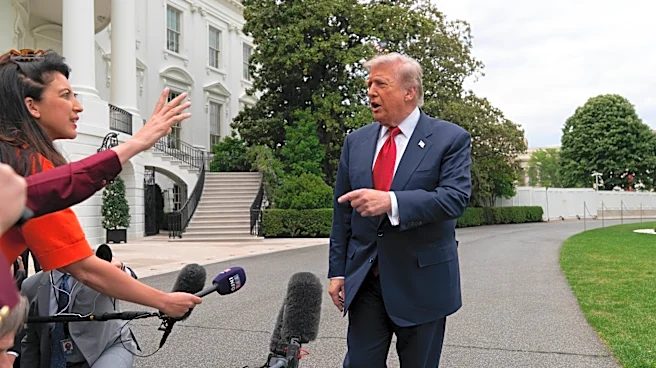
U.S. President Donald Trump said the ceasefire with Iran was "on life support" after the latest back and forth on a proposal to end the war made clear the two sides were still far apart on a number of issues.
The currency market was muted to start the Asian session, with focus shifting to Trump's visit to China later this week. U.S. Treasury Secretary Scott Bessent is also in Asia for meetings in Japan and South Korea.
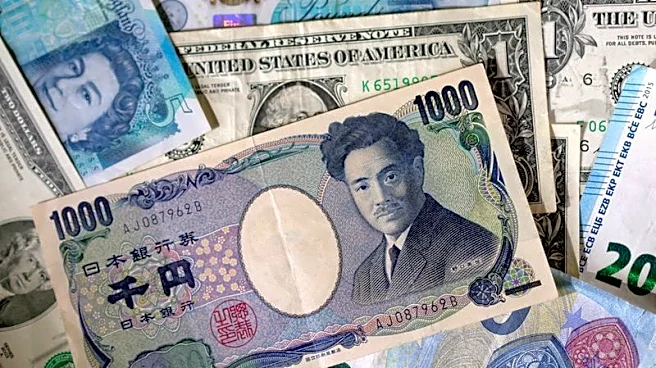
The euro last bought $1.1775, while sterling was at $1.3602, both steady on the day. The dollar index, which measures the U.S. currency against six others, was at 97.98.
The dollar initially benefited from safe haven flows when the war first broke out but has since given up much of those gains and remains choppy on shaky prospects of a peace deal and a ceasefire that appears to be hanging by a thread.
Christopher Wong, currency strategist at OCBC, said Trump's rejection of Iran's response to the U.S. peace proposal has kept markets cautious and helped to put a floor under the dollar.
"Still, USD gains were contained, suggesting markets are not yet treating the latest headlines as a full risk-off shock," Wong said, noting a formal breakdown in diplomatic discussions or fresh military escalation could bring a bigger reaction.
Later in the day the spotlight will be on a U.S. inflation report, which is forecast to show consumer prices rose 0.6% last month after jumping 0.9% in March, according to a Reuters survey of economists. Estimates ranged from a 0.4% gain to a 0.9% rise.
The data will reinforce the view that the Federal Reserve is likely to keep interest rates unchanged for a while. Traders have priced out the prospect of rate cuts for the year compared to the two cuts expected before the Iran war broke out.
"The risk is that core inflation is stronger than consensus expectations because of spillover from energy prices to other prices such as airfares and food," said Sarah Hammoud, currency strategist at Commonwealth Bank of Australia.
"An upside surprise to U.S. core inflation will push up U.S. interest rates and the dollar."
The yield on benchmark U.S. 10-year notes was steady at 4.418% in Asian hours, after gaining 4.8 basis points on Monday. [US/]
The Japanese yen was last at 157.30 per U.S. dollar, steady on the day as traders watch out for comments from Bessent on the yen and Japan's monetary policy.
Japan and the U.S. reaffirmed their close cooperation on currency moves, Japanese Finance Minister Satsuki Katayama told reporters after a meeting with her U.S. counterpart, Scott Bessent, on Tuesday.
Having supposedly spent nearly $63.7 billion in the current round of interventions, analysts say Tokyo may be counting on Bessent's visit to Japan to deliver an additional jolt, whether through explicit endorsement or carefully chosen words that signal U.S. tolerance for Japan's actions.
The Australian dollar was 0.14% lower at $0.724 ahead of the federal budget release, while the New Zealand dollar eased 0.07% at $0.5959. Bitcoin was last down 0.3% at $81,551 in early trading.
(Reporting by Ankur Banerjee in Singapore; Editing by Sonali Paul)