




By Tim McLaughlin, Nichola Groom, Timothy Gardner and Leah Douglas
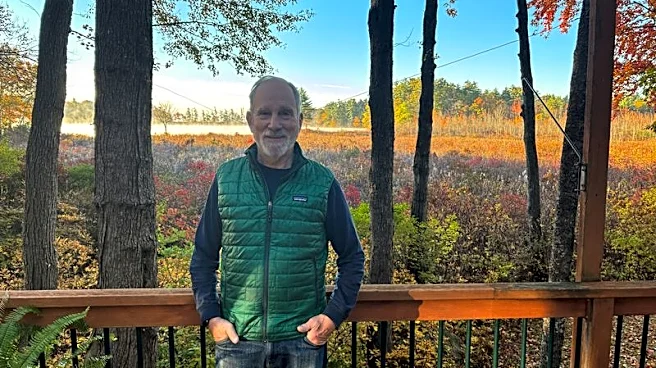
KINGSTON, New Hampshire, Oct 24 (Reuters) - Eighty-year-old Rick Russman of New Hampshire spent five decades as a Republican. This year, as his state braces for a winter of soaring heating oil costs, he will vote for Democrat Chris Pappas in one of the country's most closely watched Senate races.
For Russman, a resident of Kingston, the situation has become so dire that he will rely on a wood stove to help heat his home this winter
rather than on heating oil alone. "Fuel that costs more than $6 a gallon is a huge expense," he said.
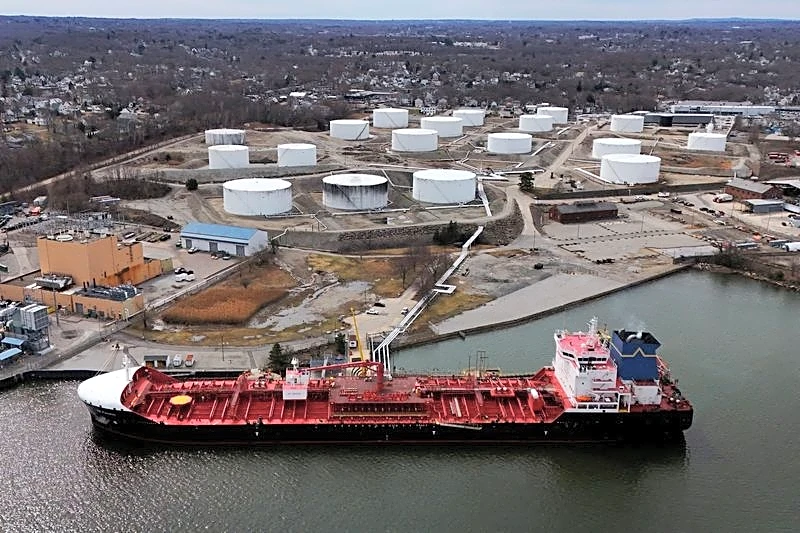
High heating oil prices are a potent issue in northern states that depend on the fuel like Maine, New Hampshire and Alaska, which have competitive Senate races on November 3 that could determine whether Trump's fellow Republicans maintain control of Congress, according to Reuters interviews with 15 voters, candidates and strategists.
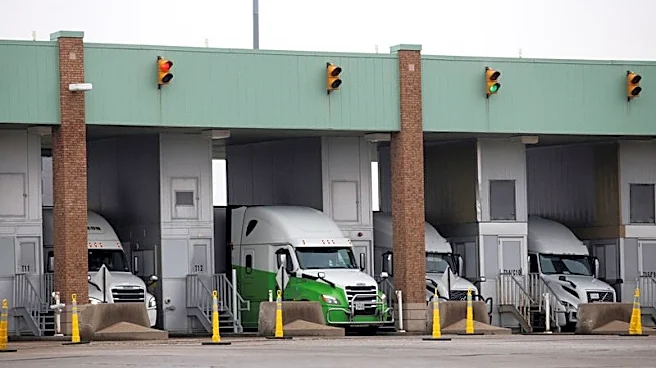
Democratic candidates have sought to tie the higher costs to Trump's war with Iran, which has disrupted global diesel supplies. The shortage drove prices for diesel, which is similar to heating oil, to a record high above $6.50 a gallon, making groceries and consumer staples more expensive.
Reuters was first to report this week that the US Energy Department released heating oil from reserves in the Northeast.
When asked about criticism that Trump's policies have led to soaring heating oil costs that could make Republicans vulnerable, the White House pointed to that fuel release, a move an analyst said was unlikely to affect prices.
Heating oil prices have climbed above $6 per gallon nationally, up from about $3.50 a year ago, according to the Energy Information Administration.
The costs are a headwind for Republicans, said Lance Dutson, a Republican strategist in Maine. "The party in power is held responsible for things like that, and it’s so clearly Trump’s fault because of this Iran war."
Nearly 80% of Americans blame Trump policies for higher costs including energy, according to an October Reuters/Ipsos poll.
In New Hampshire, where 43% of residents use heating oil, Pappas said energy dominates voters' concerns as he challenges Republican John Sununu.
"Energy costs and heating oil prices are the beginning and end of every conversation I'm having on the campaign trail," Pappas said.
Sununu’s campaign did not respond to several requests for comment.
ALASKA EVEN HIGHER
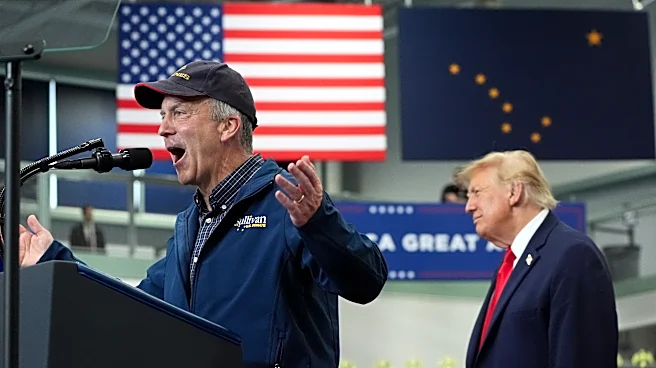
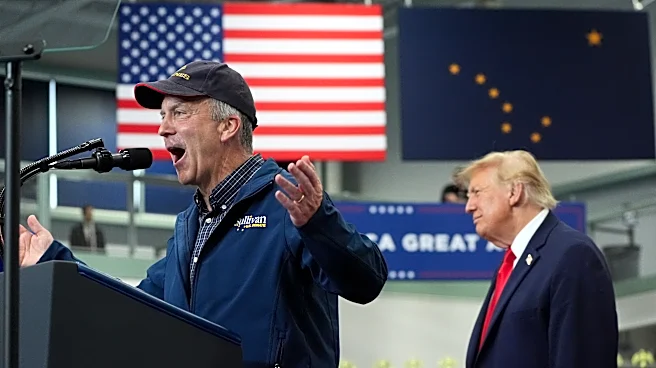
In Alaska, where roughly 30% of residents rely on heating oil, the issue has surfaced in the Senate race between Republican incumbent Dan Sullivan and Democrat Mary Peltola, who has campaigned on lowering energy costs.
In remote Alaska communities, fuel is often shipped long distances. Diesel also generates electricity and powers transportation, pushing up the cost of goods and services.
In the Yukon River community of St. Mary's, Mayor Sven Paukan said heating fuel has risen to about $10 per gallon, roughly $2 more than last year.
"It's pretty difficult to heat homes nowadays," Paukan said.
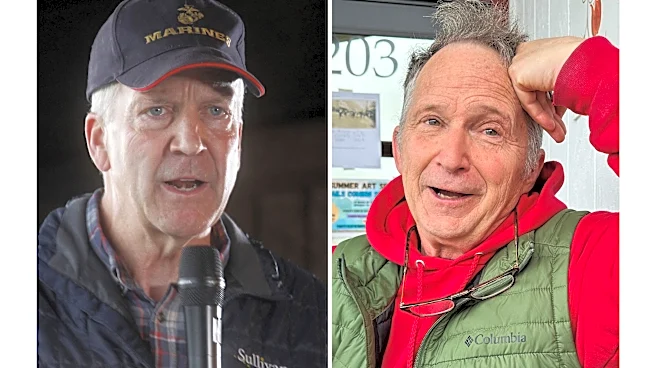
Sullivan said he supports a "temporary pause of American diesel exports," a policy Trump has considered. A Peltola spokesperson said the Iran war had helped drive up heating fuel, gasoline and grocery costs in Alaska.
Sullivan has said he supports the war but that it should end soon, and this week he encouraged Alaska fishermen to apply for a new $8 billion Trump administration program to offset diesel costs for farmers.
Suzanne Downing, former communications director for the Alaska Republican Party, said heating oil is a concern for Republicans. "Many people in Fairbanks ... pay more in the wintertime for their fuel bill than they do for their mortgage," she said. "The Iran war is being blamed for this."
MAINE 'DOUBLE WHAMMY'
In Maine, where 54% of homes use heating oil, rising fuel costs have featured in the Senate race between Republican incumbent Susan Collins and Democrat Troy Jackson.
The costs are even higher for fishermen and farmers who use diesel to power their motors and warm homes with oil. "For them, it really is a double whammy," said Mark Brewer, chair of the political science department at the University of Maine.
"Folks who probably have the lowest incomes are the ones who are facing the highest energy costs," said Scott Thistle, spokesperson for MaineHousing, the public housing authority, adding older housing stock and mobile homes are costlier to heat.
Gerry Cushman, a fifth-generation lobsterman from Port Clyde, said fishermen were already facing fluctuating prices for their catches.
But Cushman said he plans to support Collins, the Republican, arguing that her seniority and influence outweigh voters' frustrations.
"If you're a senior senator and you're head of (Senate Committee on Appropriations), you can get more done than a freshman senator,” he said.
Collins said after initially supporting the war she has voted several times to bring it to an end. She also pushed the US government to speed the release of $38 million for Maine from the $4 billion federal Low Income Home Energy Assistance Program and urged Trump to tap the heating oil reserve.
That's not enough for Maine lobsterman Dave Cousens of South Thomaston, who plans to vote for Jackson. Cousens blamed high energy costs on Trump's Iran war and said he will be forced to forgo a Florida vacation.
"He picked a fight with the wrong country, and we're all paying for it."
(Reporting by Tim McLaughlin, Nichola Groom, Timothy Gardner and Leah Douglas; writing by Leah Douglas and Nichola Groom, additional reporting by Gram Slattery in Wasilla, Alaska; Editing by Emily Schmall and Aurora Ellis)