




By Siddharth Cavale
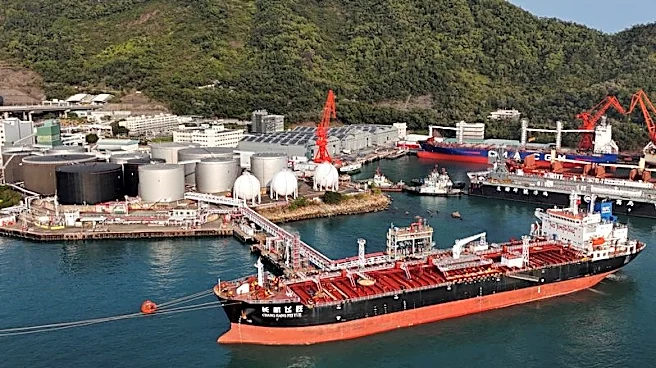
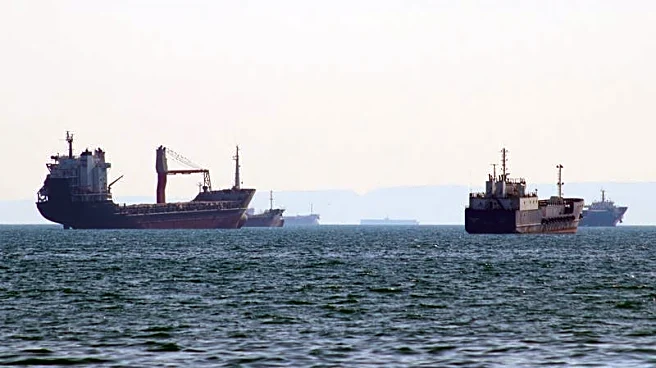
NEW YORK, Nov 19 (Reuters) - Oil prices inched higher on Thursday as investors focused on fresh reports of tanker disruptions in the Strait of Hormuz, helping the market recover from the previous session's selloff driven by rising US inventories and surplus forecasts.
Brent crude futures were trading up 63 cents, or 0.69%, at $92.58 a barrel at 11:19 a.m. ET (1619 GMT), while US West Texas Intermediate futures for December were up $1.10, or 1.32%, at $84.36. The December contract
expires on Friday and the more active January contract was up $1.12, or 1.37%, at $83.42.
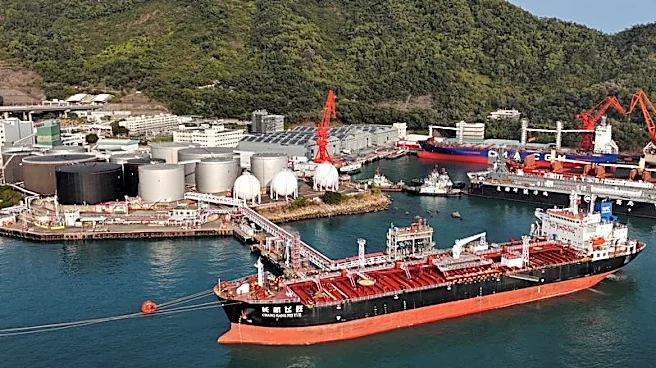
Two oil tankers hit naval mines in the Strait of Hormuz on Thursday and "exploded," Iran's navy said in a statement carried by state media. Reuters could not independently verify the report.
The Iran-aligned Houthi movement also fired missiles at the Saudi Arabian capital Riyadh.
Saudi Arabia's civil defence said on Thursday that the attack on a tower in Riyadh's financial centre caused material damage to several floors of the tower and nearby buildings, but no injuries were reported, state news agency SPA reported.
"Rising Iranian attacks are weighing on Middle Eastern exports just as China ramps up crude imports, reducing oil on water and tightening the oil market," said UBS analyst Giovanni Staunovo.
Cumulative losses from the Middle East conflict have now reached 2.8 billion barrels of oil and 60 billion cubic metres of gas supply from the Gulf, the International Energy Agency said on Thursday.
The IEA, however, added that the conflict could cut world oil demand by more than 4% by 2035 if governments accelerate electrification, efficiency and fuel-switching measures in response.
Russia's crude oil output risks falling again as Ukrainian attacks on refineries and export infrastructure intensify. Reuters reported on Wednesday that Ukrainian drone attacks have reduced Russian oil refineries' combined crude processing volumes by 45% since late October, citing industry sources.
Separately on Thursday, Russian President Vladimir Putin said that Moscow would hit back hard after Ukraine struck the bridge linking Russia and Crimea for a third time this week and said he was dropping any idea of a moratorium on attacking each other's energy sectors and shipping.
SURPLUS SUPPLY
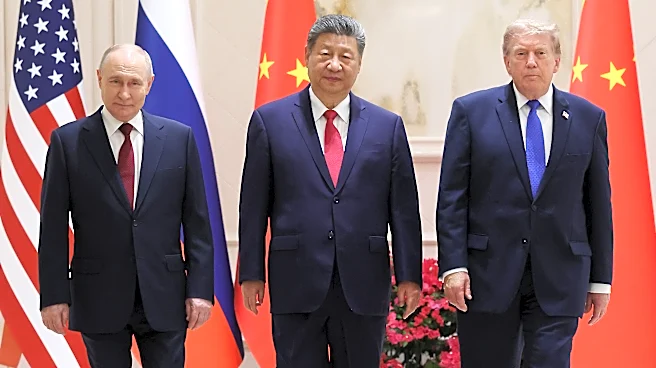
Despite the geopolitical risks, signs of ample supply and a meeting between US President Donald Trump and his Chinese and Russian counterparts, Xi Jinping and Putin, weighed on the market.
The three leaders agreed on a symbolic "peace declaration" at an unprecedented three-way meeting on Thursday and reaffirmed that nuclear war should never be fought and pledged to advance fuel products for all countries.
Saudi Arabia's crude exports rose nearly 21% in September from August to 5.38 million barrels per day, the highest level since February, data from the Joint Organizations Data Initiative showed on Thursday.
Meanwhile, a larger-than-expected build in US crude inventories reported on Wednesday reinforced concerns about a supply overhang, contributing to Brent's 1.3% decline in the previous session and sending WTI down 3.2% to its lowest settlement since August 26.[EIA/S]
Analysts also said any sustained recovery in Iranian exports would add to expectations of a market surplus in 2027.
If Iran were able to restart exports without US pressure, it would add to the supply pressure going into 2027, but there was little to suggest a stable price situation unless there were fewer attacks in the region, Saxo Bank analyst Ole Hansen said.
Adding to expectations of surpluses, US Energy Secretary Chris Wright said Washington was considering ramping up diesel and oil exports to Europe, where the US has become the leading supplier since the US-Iran war began.
(Reporting by Siddharth Cavale in New York; Seher Dareen in London, Colleen Howe in Beijing and Siyi Liu in Singapore; Editing by Christian Schmollinger, Thomas Derpinghaus, Sharon Singleton and Nick Zieminski)