






By David Shepardson
WASHINGTON, Oct 13 (Reuters) - A US Senate committee report released on Tuesday said consultants who assist schools and libraries in winning funding from a $3 billion annual internet subsidy program receive between $200 million and $400 million annually.
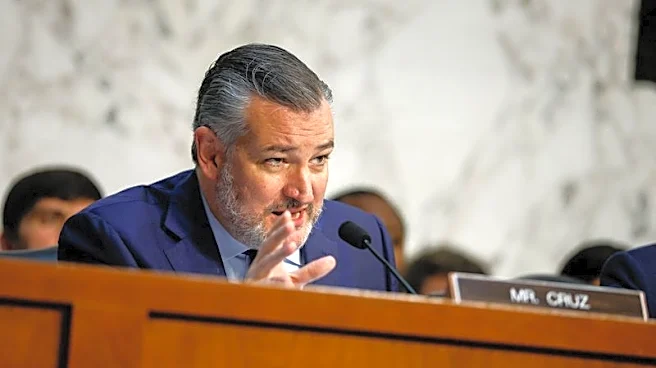
Senate Commerce Committee chair Ted Cruz said consultants help the applicants for the Federal Communications Commission E-Rate program "comply with a Byzantine process that has become a costly feature of the program."
He added that
the high fees should "prompt greater scrutiny of how E-Rate funds move, who benefits and whether the program's current structure delivers value to schools, libraries and taxpayers."
The FCC has been subsidizing connectivity to and within schools for almost 30 years.
The report found that some consultants charge school districts $100,000 or more per year. Milwaukee Public Schools has participated in E-Rate for more than two decades and has received more than $115 million in funding but is still paying more than $250,000 annually in consulting services, the report said.
"The continued need for significant consultant support raises questions about the extent to which long-term participants remain dependent on outside expertise to navigate the program," the report said.
The school district and the FCC did not immediately comment.
The report added that the consultants are subject to limited oversight and cited a number of criminal cases in E-Rate fraud cases and recommended the FCC require public disclosure of consultant compensation associated with E-Rate and urged the commission to stop expansion of E-Rate until its vulnerabilities are addressed.
In June, FCC Chair Brendan Carr said the commission was launching a comprehensive review of the E-Rate program, adding that it could reform the scheme or end it.
The FCC is reviewing whether the program has fulfilled its mission and whether continued funding is consistent with Congress' objective.
E-Rate is funded by fees paid by telecom companies that are collected from consumers through the "Universal Service Fee" on monthly phone bills.
(Reporting by David Shepardson; Editing by Mark Porter and David Gregorio)