




By Arathy Somasekhar, Trixie Yap and Enes Tunagur
HOUSTON/SINGAPORE/LONDON, Sept 22 (Reuters) - A US diesel export ban could become a self-defeating exercise that would do little to ease high US fuel prices but could worsen supply and economic disruptions around the globe, analysts said.
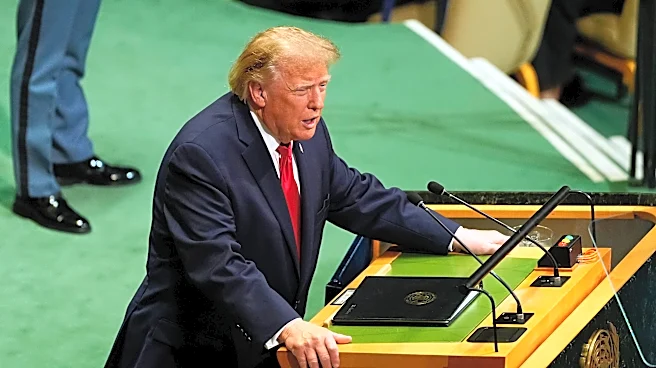
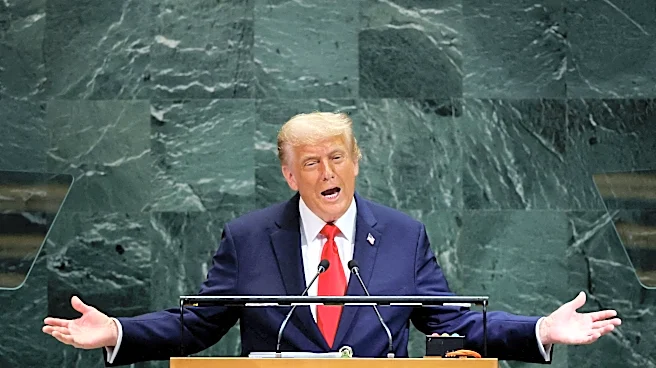
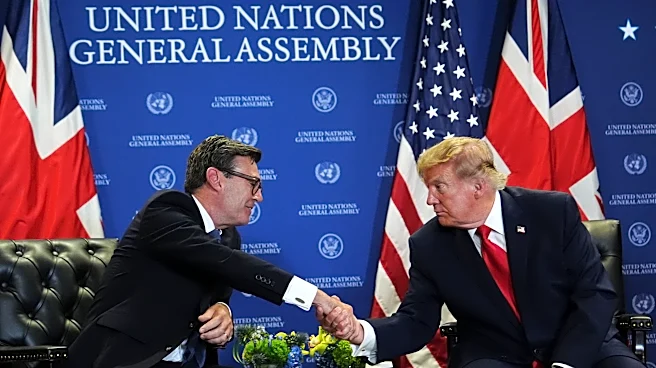
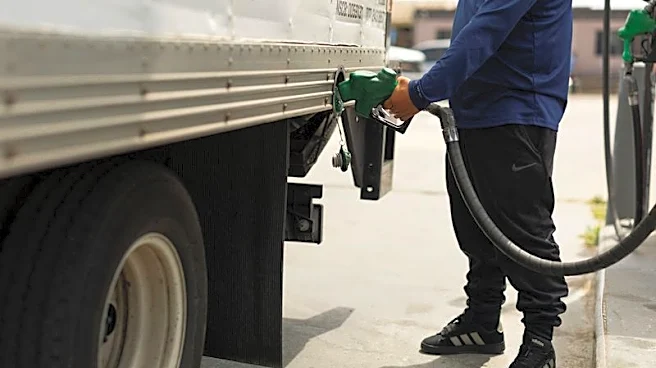
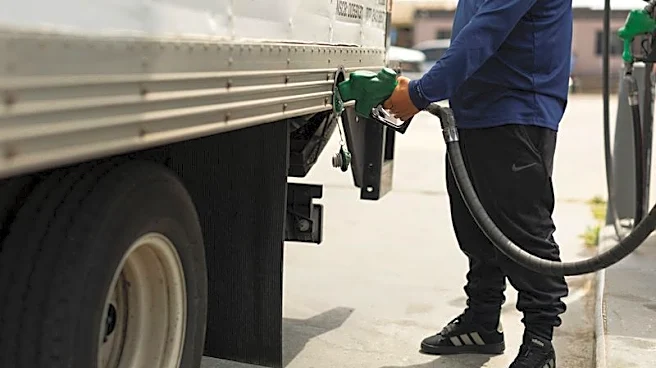
US President Donald Trump reportedly said on Tuesday he backed the idea of a ban. Average US diesel prices have jumped to a record $6.5107 a gallon, according to AAA. Diesel is critical to the global economy because
it powers transportation, farm equipment and the machinery used to make and move goods.
High fuel prices stoke inflation by raising the cost of moving everything from groceries and consumer goods to industrial materials — already a major pain point for Trump and Republicans headed into the November midterm elections.
WHY ARE DIESEL PRICES HIGH?
Diesel prices have surged around the world due to supply disruptions from Ukrainian strikes on Russia's refineries, damage to Middle East refineries from the US-Iran war, and low inventories.
Russia, the world’s second-biggest exporter, banned diesel exports in July until at least the end of September.
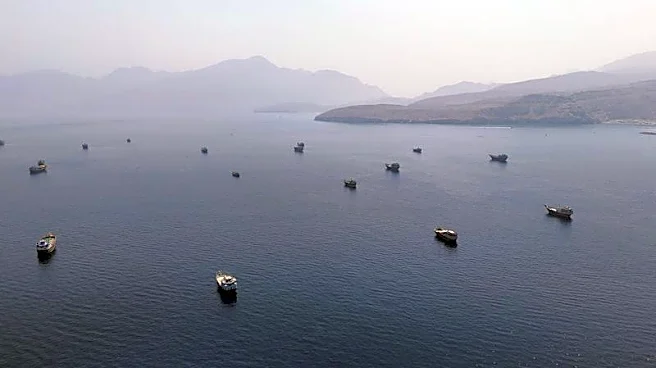
The US-Iran war has also disrupted or halted diesel exports in the Strait of Hormuz and the Red Sea.
The US exported a record 1.6 million barrels per day of diesel in August, up from about 1 million bpd in February before the Iran war began.
Top buyers include Brazil, Chile, Mexico, Peru, Morocco, France and the United Kingdom, according to Kpler.
WILL US FUEL PRICES RISE OR FALL AFTER THE BAN?
Any ban would likely push US refineries to cut the amount of crude they process.
If US refineries cut runs, it would also lower the amount of gasoline and other products produced and push up prices for those fuels, analysts and traders said.
"Given that a surplus of diesel in the US could paradoxically force American refiners to cut supplies of oil products – potentially within a few weeks – a ban would ultimately be self-defeating," Capital Economics said in a note.
Restricting US diesel exports would wreak havoc on fuel markets in the US and abroad, destabilize refinery operations and deepen a global refining crisis, said the American Petroleum Institute, a major trade group.
"A ban could raise world prices by as much as 100%, given the fuel’s low price elasticity of demand," said energy economist Philip Verleger.
HOW WOULD A BAN AFFECT EUROPE AND ASIA?
European diesel prices have hit record highs and those in Asia trade not far from record highs reached in March.
A ban on US diesel exports would leave the European Union, a net importer, with limited sources to meet demand given the Russian ban.
Europe's reliance on US diesel increased in 2026, as Middle Eastern exports from Saudi Arabia and the United Arab Emirates declined.
Global prices would surge further as buyers in Latin America, Europe, Africa and the rest of Asia would need to compete for a smaller pool of available supplies, consultants FGE NexantECA said.
Even a partial US ban could lead to product shortages in Europe, South America, Australia and Africa, Citi analysts said.
Higher Chinese diesel exports in July and August failed to cool the market, they added.
Asia, home to some of the world's biggest refinery complexes, typically produces more diesel than it needs. India, the region's swing supplier, could be among the first countries to boost exports to Europe.
WHAT ARE THE POLITICAL AND GEOPOLITICAL IMPLICATIONS?
Some Republican Senate candidates in the most competitive races for the November 3 elections called for the administration to implement the export ban to try to alleviate high costs for Americans.
“It is more of political soundings than actual reality,” said Jim Mitchell, director of oil trading analytics at consultancy Wood Mackenzie.
The move would also damage some key US allies in Europe, Mitchell said.
The world would no longer view the United States as a dependable energy source, said Verleger.
(Reporting by Liz Hampton, Arathy Somasekhar, Georgina McCartney, Trixie Yap and Enes Tunagur; additional reporting by Nicole Jao; editing by Timothy Gardner, Sanjeev Miglani, Alex Lawler and Aurora Ellis)