






By Charlotte Van Campenhout
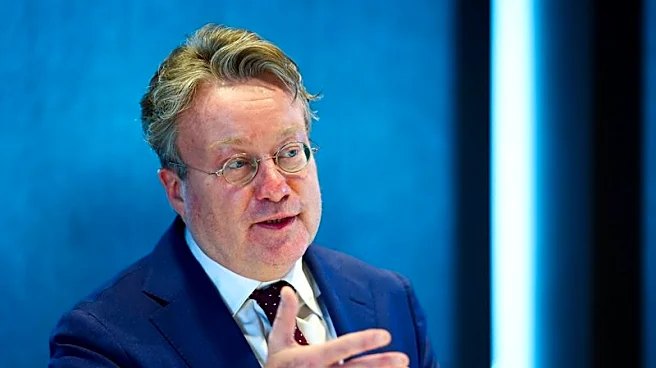
AMSTERDAM, May 26 (Reuters) - The persistence of energy price shocks will be a key factor guiding the European Central Bank's next policy decision, Dutch central bank chief Olaf Sleijpen said on Tuesday.
Sleijpen reiterated that the ECB's objective at its next rate-setting meeting in two weeks remains price stability and that any decision will depend on how inflation dynamics evolve.
"What we will mainly look at is the extent to which the rise in energy prices, which we have
already observed and which has already increased headline inflation, is feeding through into other price indicators," Sleijpen said.
The ECB has kept interest rates on hold for the past year, but it debated an increase last month as sharply higher energy costs pushed inflation well above its 2% target and multiple policymakers signalled a need for action.
Sleijpen pointed to growing concerns over how long the current energy shock could last, adding that market pricing suggests imminent normalisation is unlikely.
He stopped short of saying that the ECB should raise interest rates in June, as fellow board member Isabel Schnabel has said, adding that he was waiting for the latest data at the next meeting before forming an opinion.
At the same time, he signalled that tightening financial conditions and a weakening economic backdrop are already helping to contain inflationary pressure.
"Financial conditions have become more restrictive, interest rates have risen ... banks are becoming stricter when it comes to lending," he said, adding that growth expectations and confidence indicators are deteriorating.
Financial markets see between two and three rate increases in the coming year, with an initial move in July fully priced in, to be followed by a second step in the autumn.
Sleijpen also cautioned against comparisons with the inflation surge in early 2022, noting that the current environment reflects a "classic negative supply shock" without the same demand-driven pressures as those when economies reopened after the COVID-19 pandemic.
(Reporting by Charlotte Van CampenhoutEditing by David Goodman)