





By Saqib Iqbal Ahmed
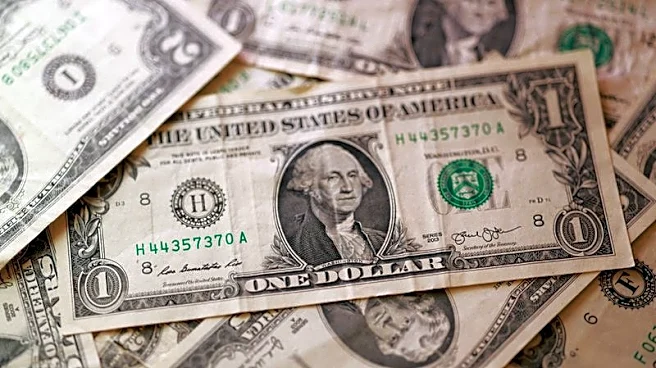
NEW YORK, Nov 19 (Reuters) - The dollar edged up against a basket of peers on Thursday, extending its recent rally, as risk sentiment took a beating and Anthropic's super-sized IPO failed to revive fading enthusiasm for artificial intelligence.
The recent dollar rally, which started on November 10 when hotter-than-expected US inflation data boosted expectations of Fed tightening, found support on Thursday as riskier currencies sold off.
The US currency was particularly strong against
emerging market peers, with MSCI's index of Latin American equities falling about 2%.
"We’re seeing a scramble for US dollar liquidity and the entire emerging market complex is suffering a severe selloff as global financial conditions tighten," Karl Schamotta, chief market strategist at Corpay, said.
"With sentiment on the US technology sector showing signs of crumbling while expectations for the Fed’s policy path climb, stress is rising in the currencies most exposed to a slowdown in the AI buildout — and most reliant on interest-rate arbitrage trades," Schamotta said.
Fed Governor Christopher Waller called on Wednesday for a more aggressive response to inflation, while minutes of the central bank's October 27-28 meeting showed policymakers increasingly concerned that additional tightening might be needed.
Still, some strategists were skeptical the greenback could climb much further in the near term without further catalysts.
"Dollar bulls are going to need more conviction or more bullish news to drive dollar gains in the short run here," Shaun Osborne, chief currency strategist at Scotiabank, said.
The dollar index this week reached its highest level since April 2, 2025, when US President Donald Trump revealed a sweeping tariff package, triggering a selloff in US assets.
It was last up 0.1% at 103.88.
YEN SLIPS AS SAFE-HAVEN FLOWS FADE
The dollar was up 0.2% to 159.615 yen, snapping a four-day losing streak.
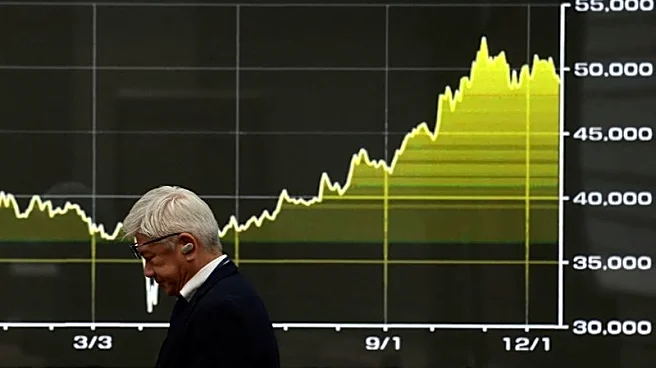
Analysts said that a further selloff in AI-linked assets could support the yen through safe-haven buying and repatriation flows, with the impact likely to be more pronounced against other currencies than against the dollar.
The risk-sensitive Aussie was 0.7% lower on the day. Australia's employment fell for a second straight month in October and the jobless rate climbed to a five-year high, bolstering the view that rates have likely peaked.
"The sharp hawkish repricing of Fed rate hike expectations is contributing (to) the weakness in commodity prices and related currencies," said Lee Hardman, senior currency analyst at MUFG.
UBS brought forward its forecast for the first Reserve Bank of Australia rate cut to August next year from November, and extended the easing cycle to three cuts from two, citing elevated inflation and a deterioration in the labour and housing markets.
Sterling pulled back from a 20-month high against the euro, and fell 0.4% against the dollar as investors gravitated toward the safety of the US currency.
In cryptocurrency markets, bitcoin gave up early gains to trade about 1% lower at $61,985, hitting a fresh four-month low.
(Reporting by Saqib Iqbal Ahmed and Stefano Rebaudo; Additional reporting by Li Gu in Shanghai and Ankur Banerjee in Singapore; Editing by Kevin Buckland, Mark Potter, Will Dunham and Alexander Smith)