



By Nancy Lapid
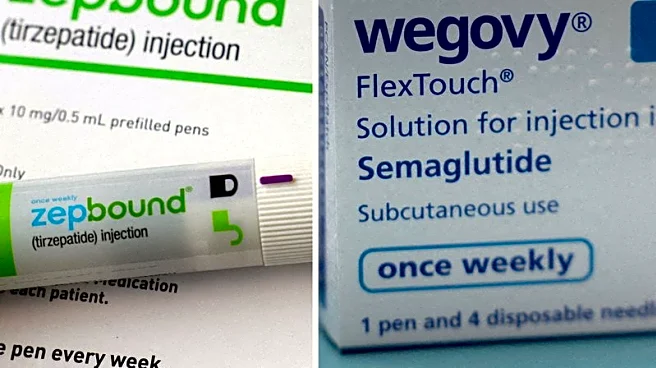
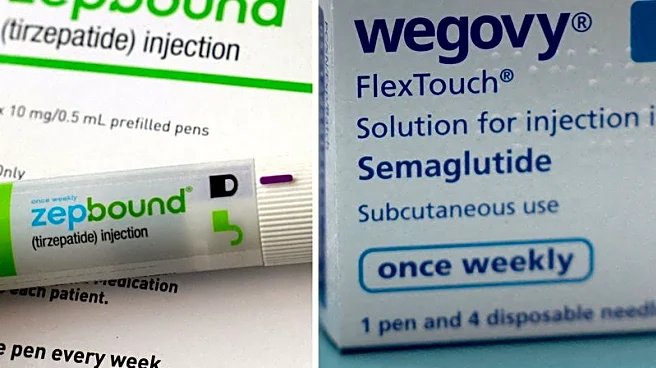
Jan 22 (Reuters) - Many patients using highly effective GLP-1 drugs like Wegovy may not regain lost weight quickly when they stop treatment, according to an analysis of real-world data shared with Reuters that sheds light on a chief concern about the therapies.
Among thousands of patients treated at a large network of U.S. academic medical clinics, most had kept the weight off or lost even more 18 months after stopping semaglutide, sold by Novo Nordisk as Ozempic and Wegovy, or tirzepatide,
sold by Eli Lilly as Mounjaro and Zepbound, researchers from data analytics firm nference found.
Their data runs counter to findings by Novo, based on the Danish drugmaker's clinical trials, that caution many patients will soon regain lost weight if treatment is interrupted.
Obesity specialists have questioned whether people will need to use these medicines for years to maintain the benefits.
"The implication of our real-world evidence is not that rebound risk is negligible, but rather that durability is achievable in routine care," nference Chief Scientific Officer Venky Soundararajan told Reuters.
That should pave the way for a disease management approach for obesity, "where it's possible to better predict who can safely discontinue, who requires intermittent treatment, and who needs sustained treatment with GLP-1 drugs to preserve metabolic gains," he said.
Patients who received exercise counseling after their last known GLP-1 prescription date were nearly twice as likely to maintain weight loss as those who didn't, the researchers noted.
STUDY HAS LIMITATIONS, AWAITS PEER REVIEW
Observational studies like this one are considered less reliable than the controlled clinical trials that showed weight regain after discontinuing the drugs, the researchers acknowledge.
The nference data does not fully account for patients' other medical conditions, how much of the drug they used, or lifestyle factors, but suggests weight regain may be less common than what has been widely reported.
"The analysis gives us a little more hope that there are going to be some people who will not regain weight, that it's not a lifelong treatment in everyone," said Dr. Michael Gibson of Harvard Medical School, who worked on the nference analysis. "We need to better identify who's going to be successful."
Applying artificial intelligence, nference researchers analyzed 14 million doctors’ notes and 15 million clinical data entries on more than 135,000 patients treated with a single GLP-1 drug over the course of a year.
Among nearly 18,000 tirzepatide users, 1,615 discontinued the drug. Six months later, roughly 28% had regained the weight they lost. About 36% kept the weight off and 36% continued to lose weight, according to data the researchers are preparing for peer review.
Among roughly 37,500 semaglutide users, 2,567 discontinued treatment. Six months later, about 33% had regained their weight, 32% maintained their loss and 35% were still losing weight.
The median weight change six months after discontinuation was 0%, which “seems to suggest the typical patient has stabilized" at that point, Soundararajan said.
CHANGES NEEDED TO MAINTAIN WEIGHT LOSS
Novo and Lilly have characterized obesity as a chronic disease requiring long-term use of GLP-1 drugs.
A 2022 Novo-funded study that followed clinical trial participants showed that on average, patients regained two-thirds of their lost weight one year after discontinuing drugs like Wegovy. In 2023, the company suggested regain might be slower, taking up to five years.
Spokespeople for Novo and Lilly declined to comment specifically on the nference analysis.
Former FDA chief Dr. David Kessler, who used a GLP-1 drug for weight loss and discontinued it, told Reuters patients must avoid resuming their old eating habits to maintain a benefit. GLP-1 drugs temporarily suppress the amount of calories patients consume, and the effects wear off when patients discontinue them, he said.
"It's not the drugs" that cause lasting weight loss, he said. "It's whether you learn to adjust your eating while you're on those drugs."
The team at Massachusetts-based nference agreed that behavior changes can help explain sustained weight loss. But they said they suspect GLP-1 drugs may also somehow induce changes in energy balance, appetite regulation, and how and when the body burns fat that persist beyond treatment discontinuation.
Weight regain in their study was linked with anxiety, anemia, thyroid hormone changes during treatment that remained within the bounds of normal, and depression and antibiotic prescriptions after discontinuation. But none of those can be directly connected to causing the weight gain, Soundararajan said.
(Reporting by Nancy Lapid; Editing by Michele Gershberg and Bill Berkrot)