

By Elida Moreno
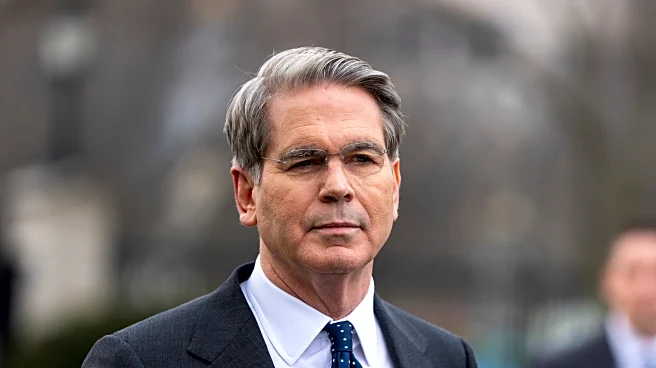
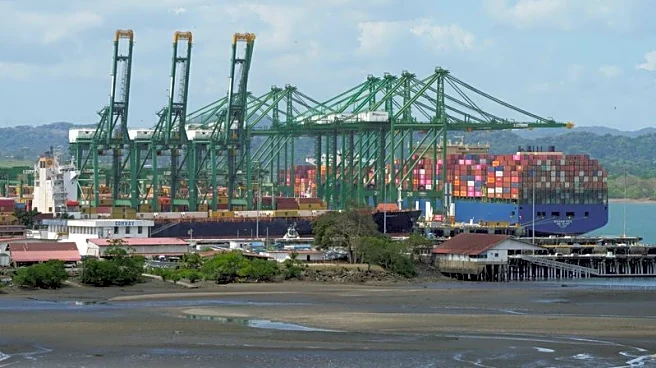
PANAMA CITY, March 13 (Reuters) - Panama's government hopes China's COSCO Shipping will reconsider its decision not to use the Balboa port at the entrance of the Panama Canal, the country's minister for canal affairs, Jose Ramon Icaza, said on Friday.
Earlier this week, local newspaper La Prensa published a notice from COSCO to clients saying it suspended operations at Balboa. COSCO did not reply to an earlier request for comment about suspending operations.
"The COSCO issue has really
taken us a little bit by surprise," Icaza told reporters at an event, noting that COSCO represents 4% of cargo that passes through Balboa.
"All cargo is important, and certainly COSCO's cargo is important for us, for Panama, and we obviously hope that they will reconsider that decision not to use the port of Balboa."
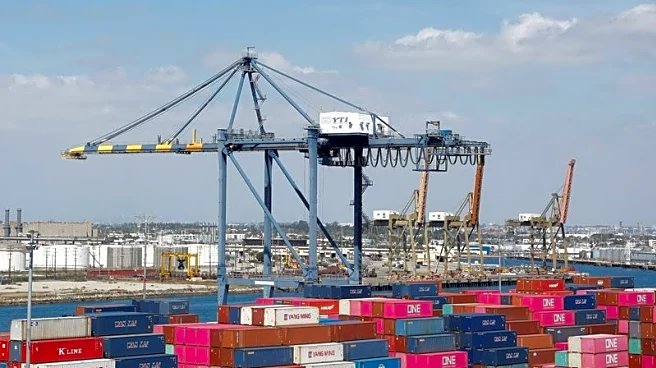
Balboa is one of the two ports at the center of a year-long saga involving Washington, Beijing and the Panamanian government. The move follows a ruling by Panama's Supreme Court in late January that annulled the contract to operate the port held by a unit of Hong Kong's CK Hutchison.
CK Hutchison had unveiled a plan in March 2025 to sell 43 ports in 23 countries, including the Balboa and Cristobal ports near the Panama Canal, to a consortium led by BlackRock and Italian Gianluigi Aponte's family-run shipping firm MSC.
The deal quickly became entangled in U.S.-China geopolitical tensions, drawing praise from Washington and criticism from Beijing amid the two countries' broader trade dispute and calls by President Donald Trump for greater U.S. control over the canal.
Amid scrutiny from Beijing, CK Hutchison said in July that it was in talks with the consortium for them to add a Chinese "major strategic investor" to the bid. COSCO was identified by sources as the investor.
When asked by reporters if COSCO's withdrawal from the Balboa port could be a pressure tactic on Panama, Icaza said: "I do not want to speculate."
APM Terminals, a unit of Maersk, recently began temporarily operating the port for a period of up to 18 months.
(Reporting by Elida Moreno, Writing by Daina Beth Solomon, Editing by Natalia Siniawski, Kirsten Donovan)