


(Removes 'Hold' from headline)
DUBAI, Sept 29 (Reuters) - Iran's Revolutionary Guards, whose power and influence have expanded since the US and Israel pursued war against Iran, have appealed to US midterm voters to reject President Donald Trump's policies and accept an offer of peaceful coexistence.
The assertions were made on Tuesday in a 25-page open letter addressed to the American people, urging them to oppose US support for Israel and foreign wars and arguing that Iran and the US could coexist
if US policy changed.
The letter accused Trump of concealing the peaceful nature of Iran's nuclear programme, which Israel in particular sees as an existential threat, and the effectiveness of Tehran's blockade of Gulf oil.
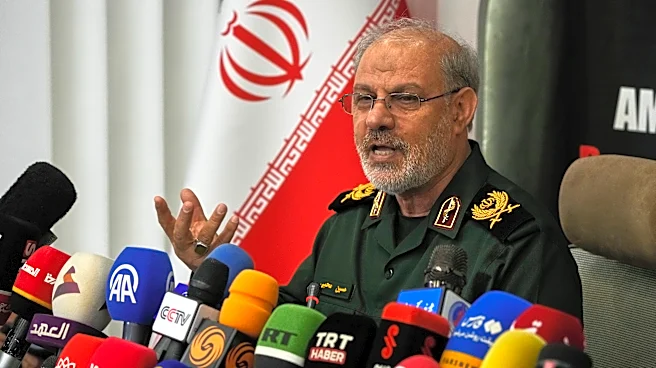
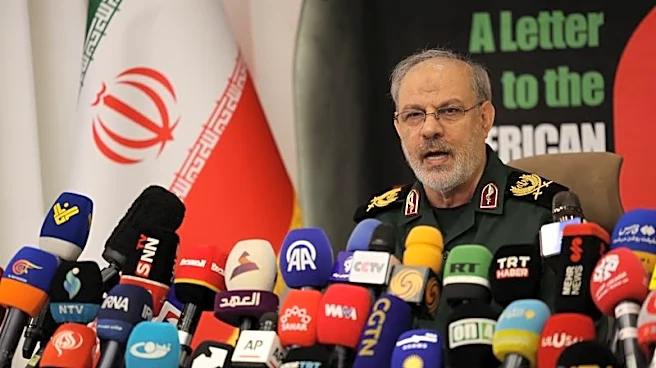
IRGC spokesperson Hossein Mohebbi told reporters he did not expect the letter to affect the US administration's behaviour some five weeks before the elections, but that voters might hear the message.
"The American people are not knowledgeable about many developments. We believe if they knew more, they would think differently and take other decisions," he said.
IRAN'S GUARDS SAY TRUMP IS NOT TO BE TRUSTED
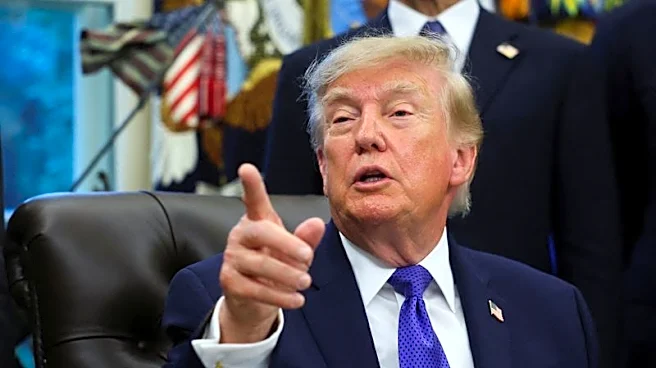
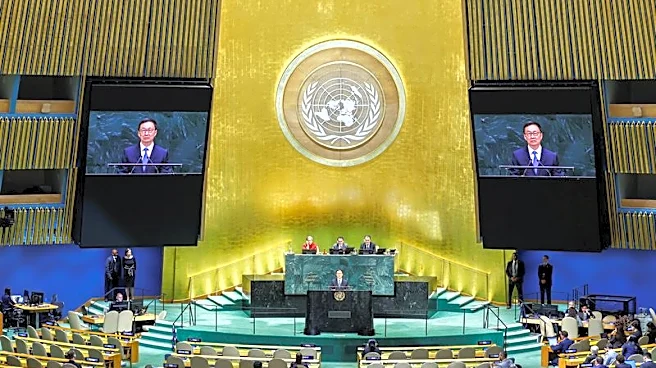
Among his reasons for waging war on Iran, Trump, whose Republican party is under pressure from the Democrats in opinion polls, has cited the need to ensure that it will never be able to build a nuclear weapon. Last week, he told the UN General Assembly he could "annihilate" the Islamic Republic if he chose.
"The enemy (US) knows that Iran is not after nuclear weapons," Mohebbi said.
"America’s national security and the lives of its service members are entrusted to someone who is not only an inveterate liar but is also an insanely avaricious man whose only motivation in life is the accumulation of greater wealth."
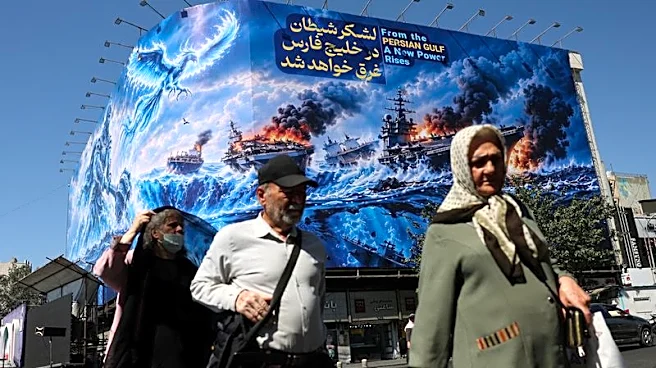
Mohebbi also challenged US assertions that Iran has lost most of its leverage over the Strait of Hormuz, in part because the US military has been able to protect some of the tankers bringing oil out of the Gulf.
"The fact that the Americans might manage, at great expense, considerable trouble and high risk to sneak a small vessel through the Strait of Hormuz under cover of darkness to export, say, 100 or 200 barrels of oil does not mean the Strait is open," Mohebbi said.
According to Kpler data, September has seen a recovery of oil exports via the Strait of Hormuz, which are set to hit almost 10 million barrels per day, about half the pre-war volume.
(Reporting by Dubai Newsroom; Editing by Andrew Heavens and Kevin Liffey)