


By Promit Mukherjee and David Ljunggren
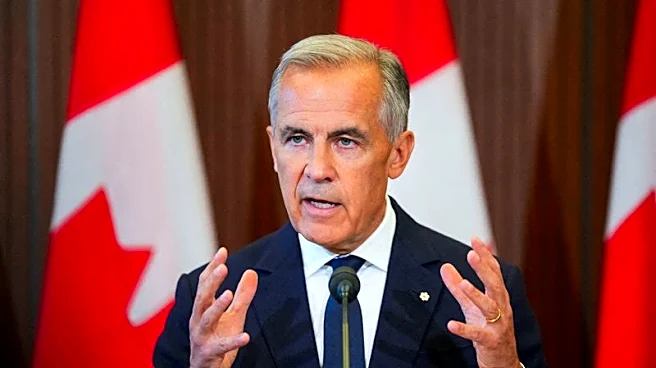
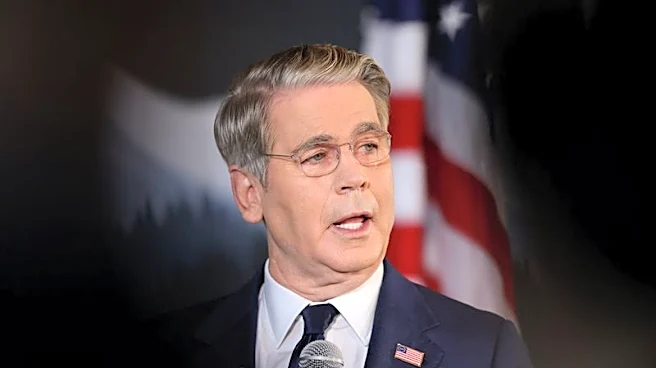
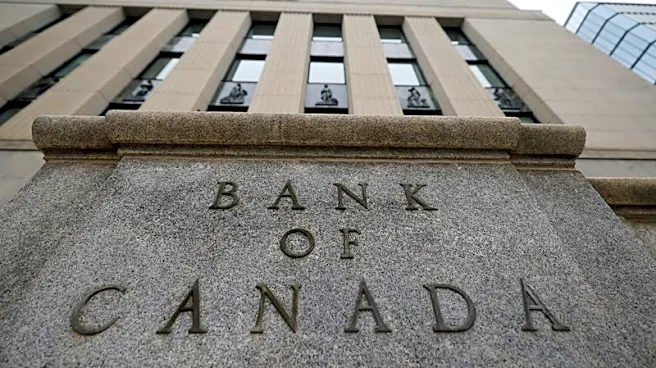
OTTAWA, Sept 2 (Reuters) - The Bank of Canada kept its key policy rate on hold at 2.25% on Wednesday, as widely expected, but Governor Tiff Macklem said policymakers were prepared to raise borrowing costs multiple times if inflation remained too high.
Higher oil prices caused by the Iran conflict have helped push Canada's annual inflation rate up to 3%, a level Macklem said was too high. The bank's target is 2%.
Macklem said the war had increased the upside risks
to the inflation outlook, given that oil prices were higher and it was unclear when they would come down.
"Certainly if we felt that inflation was going to remain too high, yes, we are prepared to raise interest rates, and if it takes more than one increase, we're prepared to do that," he told a press conference.
His remarks marked a shift from his previous comments where he has repeatedly emphasized that the upside risks to inflation and the downside risks to growth were largely balanced.
Macklem said new U.S. tariffs had increased uncertainty around the sustainability of Canada's economic rebound but were unlikely to have a large direct impact on overall activity because they cover about 5% of exports to the United States.
The benchmark rate has now been unchanged for 11 months, even as the trade tensions have worsened, while the economy and labor market have held up relatively well.
Benchmark Brent crude oil was around $90 per barrel compared with the BoC's July assumption of $75 for the third quarter, Macklem said, adding that the longer the prices stay elevated, the higher the risk that they would spill into other goods and services.
"So yes, we are going to be tracking the effects of the counter tariffs, but the much bigger impact is really what's going on in energy markets," he said.
Canada's economy, which rebounded at an annualized rate of 3.3% in the second quarter, faces dual risks from the worsening trade dispute with the United States. U.S. tariffs threaten to weaken growth, while Canada's dollar-for-dollar retaliation could put upward pressure on domestic prices.
"The Bank of Canada delivered a more hawkish message today," Stephen Brown, chief North America economist at Capital Economics, wrote in a note.
"We do not view this as a signal of an imminent move but, with oil prices remaining higher for longer than we first assumed, we will need to pull forward our forecast for the first hike, currently penciled in for the second quarter of 2027," he added.
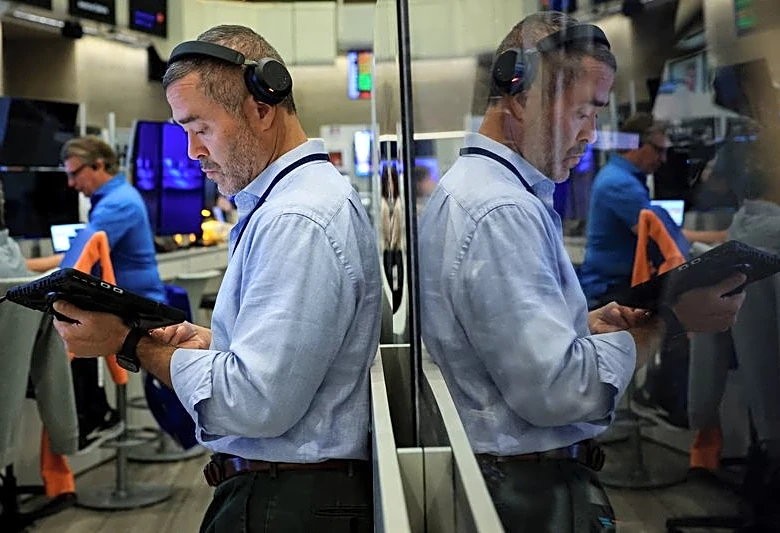
After Macklem's remarks, money markets priced in a 25-basis-point increase by December and about three further quarter-point hikes next year.
The bank also dropped language from its previous statement saying the policy rate was at the right level to keep inflation near target while supporting the economy. Asked about the change, Macklem said upside inflation risks had increased and policymakers would reassess where rates needed to be at their next meeting.
The Canadian dollar was trading up 0.12%, or 72.07 U.S. cents, to C$1.3876 against the U.S. dollar. Yields on the 2-year government bonds were up 1.6 basis points to 2.745%.
(Reporting by Promit Mukherjee; Editing by Caroline Stauffer and Philippa Fletcher)