


By Pulkit Khanna
BENGALURU, May 14 (Reuters) - Thailand's economic growth likely slowed in the first quarter of 2026 and was barely positive on a quarterly basis, according to a Reuters poll of economists, as weak local demand and a tourism slowdown linked to the Iran war offset strong AI-driven exports.
The tourism-dependent economy likely expanded 2.2% in the January-March period from a year earlier, slowing from the prior quarter's 2.5% growth, according to a survey of 17 economists conducted over
May 8-14. Forecasts ranged from 1.0% to 3.0%.
On a seasonally adjusted quarterly basis, gross domestic product (GDP) was expected to have edged up just 0.1%, according to the median estimate of eight economists. Forecasts ranged from a contraction of 1.0% to a growth of 0.9%.
"The drag on growth is likely to come from weaker consumption and lower tourism arrivals," said Jun Hao Ng, assistant economist at Oxford Economics.
Weighed down by high debt and fragile confidence, private consumption, a key driver of economic growth, has taken a beating in Southeast Asia's second-largest economy.
Hao Ng said private consumption likely slowed after a temporary boost from the government's co-payment programme, which ended in the fourth quarter of 2025.
Tourism weakened sharply towards the end of the quarter. Official data showed tourist arrivals fell 1.8% in February before dropping 8.7% in March.
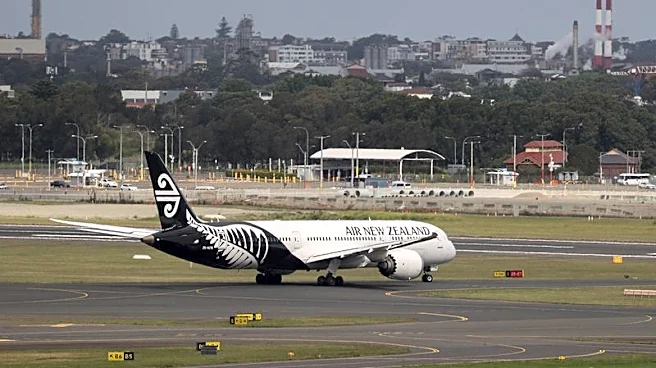
Last month, Bank of Thailand Assistant Governor Chayawadee Chai-anant said tourism from Gulf countries fell to close to zero in March, as attacks from Iran closed regional airports.
Tourism from Malaysia also softened, with higher fuel costs discouraging road travel to Thailand.
Still, exports remained a bright spot for the economy, supported by strong global demand for electronics, particularly artificial intelligence-related products and data centre equipment.
Exports surged 18.7% in March from a year earlier to $35.16 billion, marking the 21st consecutive month of growth. Overall, shipments expanded nearly 18% in the first quarter of 2026.
"Even though exports have been quite strong for several quarters, one would imagine that base effects would have started to challenge the strength of growth rates, but they are still going strong," said Miguel Chanco, chief emerging Asia economist at Pantheon Macroeconomics.
However, economists in the poll warned the support from exports may not be enough to offset broader weakness in the coming quarters.
"After a resilient first quarter, second-quarter growth will be a different story," said Erica Tay, director of macro research at Maybank.
"The effect of supply disruptions on the industrial, agricultural and fishery sectors will be more apparent, as will the impact of flight disruptions on tourism-related activities."
Thailand's economy was expected to expand 1.3% this quarter, with annual growth averaging 1.6% in 2026, according to an earlier Reuters poll conducted last month. The central bank recently cut its 2026 growth forecast to 1.5% from 1.9%.
(Reporting by Pulkit Khanna; Polling by Rahul Trivedi and Susobhan Sarkar; Editing by Vivek Mishra and Subhranshu Sahu)