
BERLIN, May 4 (Reuters) - German manufacturer sentiment turned negative in April for the first time since October 2024 even as overall activity grew, with firms frontloading orders to beat price rises
and supply shortages amid war in the Middle East, a survey showed on Monday.
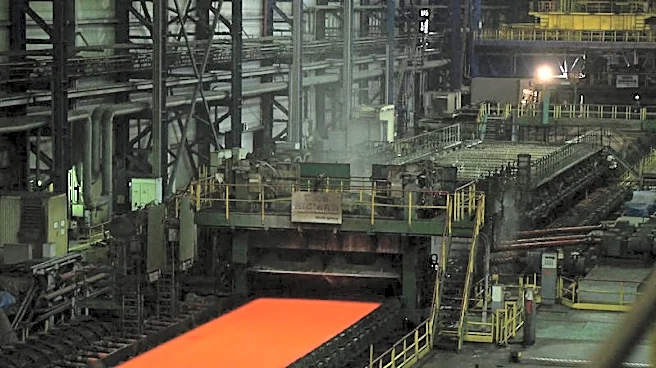
The HCOB Germany Manufacturing Purchasing Managers' Index (PMI), compiled by S&P Global, fell to 51.4 in April from March's 52.2, a survey by S&P Global showed, holding above the 50 mark separating growth from contraction.
"The growth we're seeing in the manufacturing sector appears to be on borrowed time, given the underlying factors driving it and the further sharp drop in business expectations into negative territory," said Phil Smith, Economics Associate Director at S&P Global Market Intelligence.
Output rose for a fourth straight month, but the pace eased to a three-month low after hitting a more than four-year high in March. New orders also increased for a fourth month, though growth slowed, while export sales rose for a third month.
Confidence deteriorated sharply. Around 29% of firms expected output to fall over the coming year, against 25% anticipating an increase, leaving sentiment negative for the first time since October 2024.
Price pressures intensified, with input costs rising at the fastest rate since September 2022 and factory gate inflation climbing to a 39-month high. Supply delays were the worst since June 2022, with around 28% of firms reporting longer lead times.
Manufacturers continued to cut jobs, though the pace of staff shedding was slightly slower than in March. Backlogs of work were broadly unchanged after a marked build-up in the previous month.
The survey suggested the upturn remained vulnerable, with firms citing the Middle East war, rising inflation, supply disruption and uncertainty. Demand and production stayed stronger in intermediate and investment goods, while consumer goods remained in a sharp downturn.
(Reporting by xxx)