








By Jarrett Renshaw
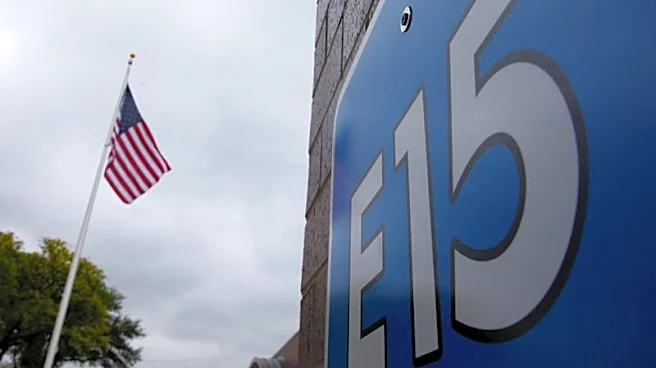
June 24 (Reuters) - President Donald Trump's White House asked Congress on Wednesday to pass a law allowing year-round sales of gasoline containing higher volumes of ethanol, reviving a long-sought priority of the biofuels industry.
While Trump has long backed year-round sales of gasoline blended with 15% ethanol, the decision marks the first formal push by his White House to enact the policy and signals a willingness to challenge U.S. refiners that have opposed the measure over
concerns it could raise costs and complicate fuel distribution.
The effort also marks the White House's latest attempt to curb gasoline prices that have risen since the joint U.S.-Israeli attacks on Iran in late FebruaryIran, with supporters arguing the higher-ethanol blend provides motorists with a cheaper alternative to conventional gasoline.
In a supplemental bill released on Wednesday, the White House Office of Management and Budget asked Congress to address the "urgent and needed fix that codifies the permanent, year-round sale of E-15."
Gasoline containing 10% ethanol can already be sold year-round, but sales of the 15% blend, known as E15, have been restricted during the summer because the fuel evaporates more readily in hot weather and can contribute to smog.
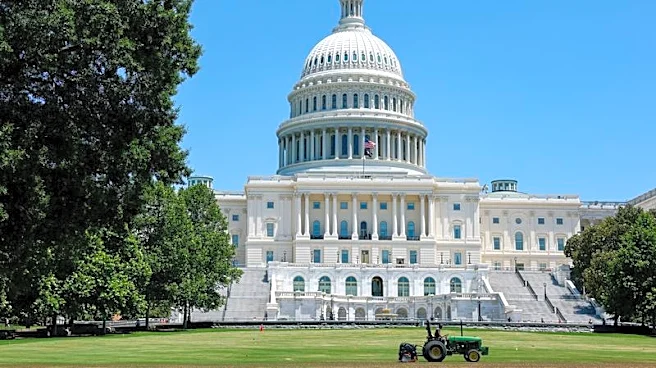
Legislation allowing year-round sales of E15 gasoline had narrowly cleared the House of Representatives earlier this year, handing a victory to ethanol producers and farm-state lawmakers who have pushed for the change for years.
But the proposal faces a steeper climb in the Senate, where major legislation generally requires 60 votes to overcome procedural hurdles.
With the chamber closely divided and some lawmakers aligned with refining interests opposed to the measure, supporters have struggled to assemble the bipartisan coalition needed for passage.
As of Wednesday morning, the national average for a gallon of regular gasoline was $3.93, and has been falling since the United States and Iran agreed to cease hostilities and reopen the Strait of Hormuz, a crucial shipping artery for global oil and gas supply.
(Reporting By Jarrett Renshaw; Editing by Chris Reese and David Gaffen)