



By Dan Rosenzweig-Ziff, Brad Heath and Kristina Cooke
WASHINGTON, Aug 13 (Reuters) - The Trump administration has repeatedly said the fight against sex trafficking is one of its top priorities.
But investigations have stalled and prosecutions declined in the past six months because of staffing shortages, funding cuts, immigration enforcement and growing distrust of the government among victims, according to Reuters interviews with 25 former prosecutors, current agents and victims’ advocates, and a review
of federal court records.
"You can't say something is a priority and then not provide the resources to make that happen,” said Jacqueline Kelley, a former federal prosecutor in New York who led the prosecution of rapper and actor Sean "Diddy" Combs, who was accused of sex trafficking and convicted on two counts of transportation for prostitution.
Federal sex-trafficking charges have dropped this year to the slowest pace since 2010. The Justice Department charged 73 people through June, about 22% lower than the number of people charged during the first half of the past three years, court records show.
Charges for related crimes also declined. The DOJ charged 1,230 people child pornography violations through June, 3% less than average for the same months over the past three years. It charged 318 people with violating the Mann Act, which targets interstate prostitution, 18% less than average.
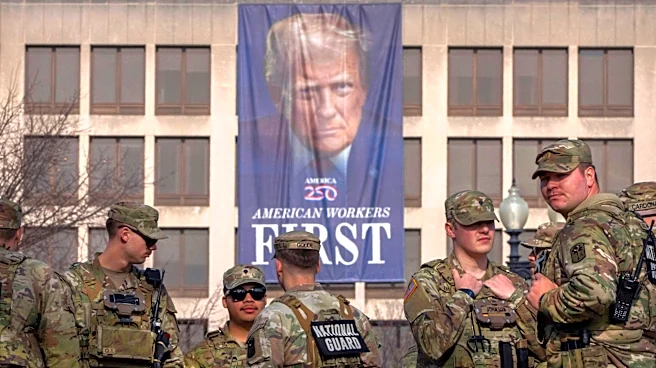
These drops reflect a larger shift in federal law enforcement priorities under President Donald Trump, who has slashed agency budgets and mandated a focus on deportations. People charged with crimes unrelated to immigration – everything from tax evasion to drug trafficking – dropped 7% through June to about 22,000, according to the court records.
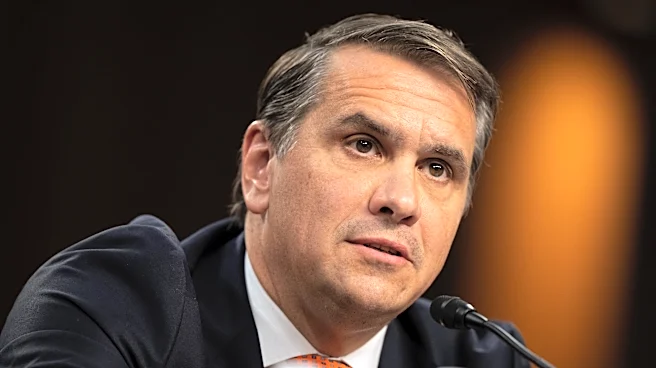
The findings come just as Congress has confirmed Trump nominee Todd Blanche as Attorney General in a 50-to-49 vote with two Republicans defecting. His candidacy faced a bipartisan backlash over the handling of documents related to convicted sex offender Jeffrey Epstein and a transfer to a minimum-security prison granted to his accomplice, Ghislaine Maxwell, shortly after Blanche personally interviewed her.
Blanche recently told Congress combating human trafficking "remains a Department priority given the gravity of the harm it causes." The administration also appointed a new national coordinator for child exploitation and human trafficking, Alessandra Serano, a career prosecutor.
Serano said in statements to Reuters that the department was committed to combating sex trafficking. She said the drop in prosecutions might have resulted from prosecutors and investigators spending time litigating a large number of ongoing cases that have pulled those officials away from opening new ones.
Department of Homeland Security spokeswoman Katherine Currie declined to comment on the Reuters review of sex-trafficking cases. She said in a statement that the department is committed to both immigration and sex-crimes enforcement and touted its “unwavering dedication to dismantling human-trafficking networks."
AGENTS PULLED AWAY, SEASONED PROSECUTORS GONE
Sex-trafficking cases are among the toughest to investigate and prosecute, requiring the untangling of psychological abuse, tracking illicit finances and securing the trust of traumatized victims.
Dozens of veterans with experience prosecuting sex-trafficking cases have recently left the department, according to seven former prosecutors who have worked such cases. During part of last year, the majority of all HSI agents were assigned to immigration, according to current agents and previous Reuters reporting.
In some U.S. attorney’s offices, the shortage is so acute that the remaining agents working sex-trafficking cases can’t find prosecutors to pursue their cases, agents and former prosecutors say.
Serano said attrition is normal in these jobs because working sex-trafficking cases “takes a toll on people more than other types of cases,” though the recently departed prosecutors said more people had left than is typical. Serano added that the department is actively hiring to fill these roles.
To measure the department's sex-crimes enforcement effort, Reuters obtained the dockets of every publicly-filed federal criminal case over the past two decades from Westlaw, a Thomson Reuters legal research service. In some cases, Reuters used artificial intelligence to help classify charges. A review of a random set of records showed its assessments to be 98% accurate.
The Justice Department said its own data showed a smaller decrease, but it declined to explain how it reached those conclusions or to provide case numbers correlating to the prosecutions it counted. Reuters could not replicate the DOJ's results using a public version of its database.
The data examined by Reuters, from court records, showed a long-term trend of declining sex-trafficking cases over the past decade. Sources attributed the trend in part to the Justice Department’s increased focus on more time-consuming cases against higher-profile offenders.
But under Trump, such prosecutions have been hampered by the focus on immigration, the departure of agents and prosecutors and cuts to grants to groups supporting sex-trafficking victims. One veteran federal agent, speaking on condition of anonymity, said sex-trafficking has not been a priority since Trump took office and launched his mass-deportations campaign. With fewer agents dedicated to sex-trafficking, many active investigations are essentially frozen and new files are rarely opened, seven former prosecutors and three agents told Reuters.
"The administration is throwing sand in the gears in 10,000 different ways," said Martina Vandenburg, president of the Human Trafficking Legal Center, whose organization worked with partners to file a petition for the release of a cooperating trafficking victim from detention.
One former prosecutor in the southern United States said her office’s sex-trafficking investigations were crippled when several Homeland Security Investigations agents working them were reassigned to other priorities, including immigration raids. In other jurisdictions, people familiar with federal enforcement operations said supervisors were forced to bargain for the few remaining agents available for sex-trafficking probes.
When agents get reassigned, sometimes to new cities, it disrupts fragile relationships with sex-trafficking victims and witnesses, who often don’t have phones or stable housing. That means cases can fall apart, said one federal agent.
One trafficking survivor in New England saw her case languish after agents said they’d been diverted to immigration enforcement, according to a staffer at a local advocacy organization who had been working with the survivor.
Such reassignments send the message to victims that their cases and their safety are not a priority, said the advocate, who spoke on condition of anonymity to ensure confidentiality for the sex-trafficking survivor the advocate had been helping. The survivor was subsequently forced back into sex work but no longer wants to involve federal authorities, the advocate said.
An FBI spokesperson said agents who had been shifted to immigration had been working on areas including sex-trafficking but that the transfers didn't change their responsibility to investigate these crimes. The official did not comment on whether the transfers contributed to the decline in sex-trafficking prosecutions.
GRANTS DISAPPEAR, TRUST ERODES
As personnel have vanished, so has the financial safety net designed to keep victims stable enough to testify.
The Justice Department’s Office of Justice Programs typically distributes roughly $90 million annually in grants to support trafficking victims. These funds flow to nonprofit organizations providing emergency housing, food and mental health counseling.
But grantees said some of these grants have been delayed or frozen in Trump’s efforts to cut federal spending. Associate Attorney General Stanley Woodward said in a statement that most grants from last year have been awarded, without providing figures, and the department is reviewing the remaining applications to ensure they align with administration priorities.
Alan Smyth, the executive director of Los Angeles-based Saving Innocence, saw two federal grants totaling $700,000 delayed for nearly a year. While the organization survived, other groups told Reuters they have been forced to end some programs or stop providing services because of lost grants.
Historically, federal prosecutors have offered so-called T-visas, granting legal immigration status to trafficking victims as an incentive to cooperate with law enforcement.
The administration approved 354 T-visas in the first six months of the current fiscal year that ends in September – or about half the typical pace over the past decade, according to Department of Homeland Security data. More than 71,000 T visa applications are pending.
Two former prosecutors told Reuters their respective U.S. Attorney's offices halted the practice of supporting T-visa applications. Serano said prosecutors and paralegals across the country still work with DHS to verify victims’ cooperation but that DHS ultimately decides on their visa applications.
Several immigration attorneys also said that clients actively cooperating on sex-trafficking probes had been detained by immigration authorities, halting criminal investigations. In Michigan last year, a Chinese woman who had been sex-trafficked in California was detained by ICE despite having a T-visa application pending since 2022, said her attorney, Laura Berger.
“If I can't guarantee a victim won't be locked up, how can I ethically tell them to cooperate with federal agents?" Berger asked.
The loss of that trust, as well as staffing, funding and expertise, could have long-lasting consequences, said Jean Bruggeman, co-executive director of the anti-trafficking organization Freedom Network USA.
"It's hitting that tipping point where important pillars are starting to fall, which will bring down the entire anti-trafficking structure,” she said. “Rebuilding it could take years."
(Reporting by Dan Rosenzweig-Ziff, Kristina Cooke and Brad Heath; editing by Michael Learmonth, Richard Valdmanis and Brian Theveno)