


BERLIN, March 30 (Reuters) - Fueled by energy price shocks from the U.S.-Israeli war on Iran, inflation rose to at least 2.5% in four indicative German states in March, signalling that the national inflation rate will likely also show an increase in data published later Monday.
In Germany's most populous state of North-Rhine Westphalia, the year-on-year inflation rate leaped to 2.7% from 1.8% in February.
That upward trend was also reflected in the states of Bavaria, Baden-Wuerttemberg and Lower Saxony,
where the inflation rate rose to 2.8%, 2.5% and 2.6%, respectively.
Economists polled by Reuters expect harmonised inflation in Europe's largest economy to rise to 2.8% in March, from 2.0% last month, when the labour office publishes the figures on Monday afternoon.
The German data comes ahead of the euro zone inflation release on Tuesday. Inflation in the currency bloc is expected to rise to 2.7% in March, according to economists polled by Reuters.
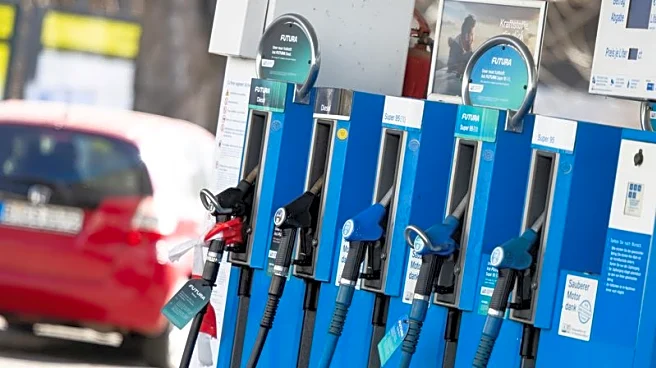
The U.S.-Israeli war on Iran has pushed energy prices sharply higher, and ECB policymakers are now debating whether and under what circumstances they would need to lift interest rates to prevent this increase from seeping into the price of other goods and services.
Financial markets now expect three interest rate hikes this year from the ECB, with the first coming in April or June, on the premise that policymakers will be keen to move early after being criticised for misjudging the 2021/22 inflation surge.
(Reporting by Miranda Murray, editing by Kirsti Knolle)