






By Shashwat Chauhan and Utkarsh Hathi
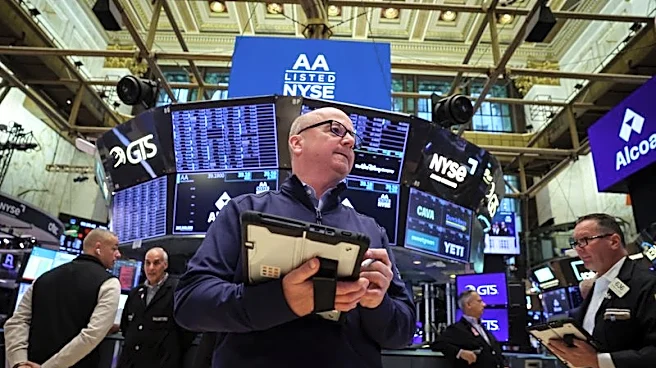
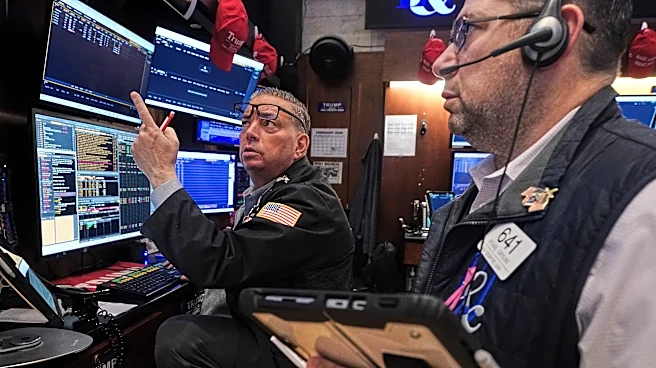
Nov 6 (Reuters) - The tech-heavy Nasdaq rose on Friday as chip stocks bounced off heavy losses posted in the previous session on fears that a Democratic-led Congress could result in tougher AI regulation, even as the jobs report raised interest-rate hike concerns.
The Nasdaq Composite logged its steepest one-day decline in 19 months on Thursday, confirming it had entered correction territory. The index was also headed for a fourth straight weekly fall.
The selloff
followed Democrats' midterm election victory, including in some key data-center states, stoking concerns that AI data-center buildout could slow. Optimism over the sector's rapid growth had propelled stock markets to record highs this year.
On Friday, megacap and growth stocks were mixed. Nvidia added 5.6%, after suffering its worst day since January 2025 when the emergence of low-cost Chinese AI model DeepSeek rattled Wall Street.
Chip stocks staged a recovery, with broader semiconductor index rising 4.6%, after plunging over 12% in the previous session. AMD, Intel, and Micron Technology were up between 3% and 10.5%.
Meanwhile, US nonfarm payrolls increased more than expected in October and the unemployment rate fell to 4.1%, suggesting the labor market remained resilient.
"Those are strong numbers and normally that would say that the Fed would have to be more on the hawkish side," said Joe Saluzzi, co-head of equity trading at Themis Trading.
"The flip side of that is that what we saw yesterday and how volatility has spiked, will the Fed want to raise interest rates in the face of a market which is teetering?"
Traders added to bets that the Fed could hike rates as soon as next month, with a 78% chance of a December move compared with a 70% chance seen earlier.
At 10:21 a.m. ET, the Dow Jones Industrial Average held steady at 51,530.05 points, the S&P 500 gained 72.56 points, or 1%, to 7,426.29 and the Nasdaq Composite gained 421.2 points, or 1.73%, to 24,736.2.
Six of the 11 S&P 500 sectors were trading higher, with information technology leading gains. Consumer staples and health care were the laggards.
Wall Street's fear gauge, the CBOE Volatility Index, eased slightly on Friday, at 23.88, after logging its biggest one-day jump in about 19 months on Thursday.
Data-center operators IREN and Applied Digital, neoclouds CoreWeave and Nebius Group and AI-exposed utilities and equipment suppliers such as GE Vernova and Constellation Energy recovered from deep losses in the last session.
Elon Musk-led Tesla and SpaceX were also up 5.5% and 6.3%, respectively, after dropping sharply in the last two sessions.
A jump in crude oil prices on Thursday had also pressured equities over concerns of energy-fueled inflation and prospects of higher interest rates by global central banks. Brent crude futures were slightly lower on Friday.
Despite the gains, oil prices were set for sharp weekly declines, putting the S&P 500 energy index on track for a more than 11% weekly drop.
The S&P 500 was on pace for its worst week since March 2025, when concerns regarding the Trump administration's tariff policies had roiled global markets.
Among other stock movers, software firm Atlassian dropped 14.7% after reporting first-quarter results. Airbnb climbed 9.4% after the vacation rental platform raised full-year 2026 revenue growth forecast.
(Reporting by Shashwat Chauhan and Utkarsh Hathi in Bengaluru; Editing by Saumyadeb Chakrabarty and Arun Koyyur)