
By Elizabeth Howcroft
PARIS, Aug 6 (Reuters) - Investor sentiment rebounded during European trading on Thursday, helped by optimism about company earnings, but Wall Street was set for a mixed opening, with Nasdaq futures down after chipmakers disappointed traders.
Markets were also waiting for any U.S. reaction to a proposed deal between Iran and Oman, which traders interpreted as progress towards ending the U.S.-Iran conflict.
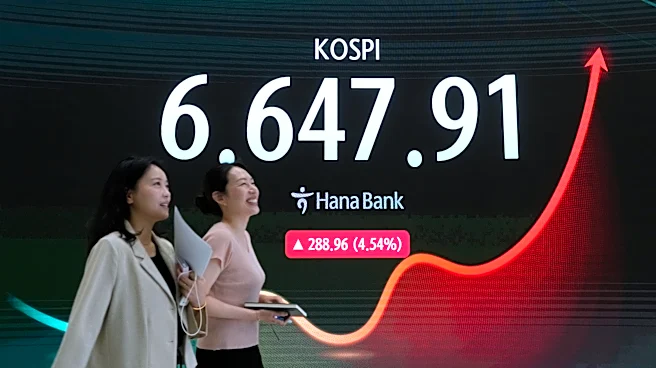
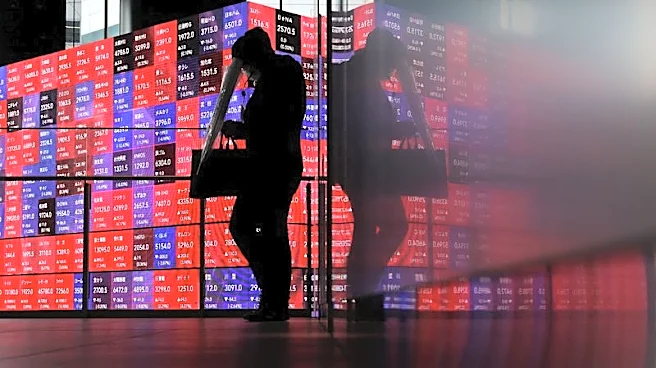
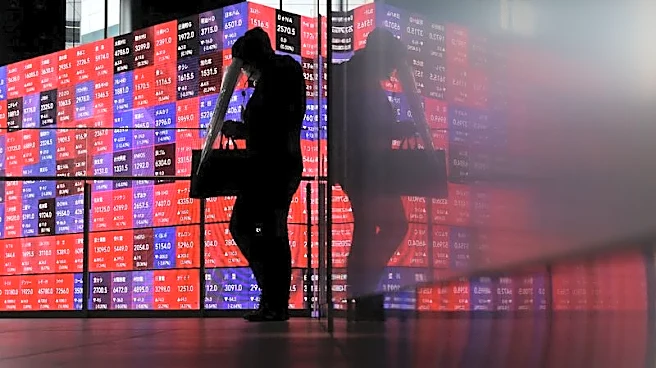
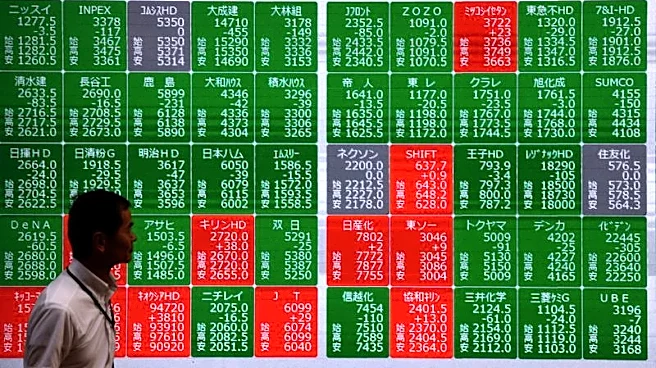
Stock markets faltered on Wall Street overnight and during Asian trading
hours, as investors turned cautious about AI spending, and some earnings - including chipmakers Sandisk and Advanced Micro Devices and data storage company Western Digital - failed to meet investors' lofty expectations.
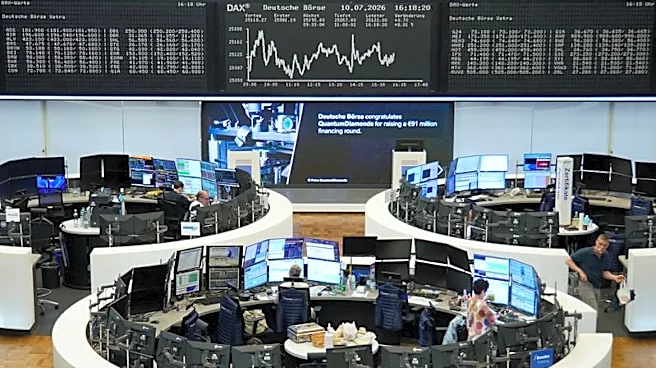
But the rally resumed as European markets opened, with the pan-European STOXX 600 touching an all-time high, driven by media and telecoms stocks. It was up 0.4% on the day by 1102 GMT, while London's FTSE 100 was up 0.2%, France's CAC 40 was up 0.7% and Germany's DAX was up 0.2%.
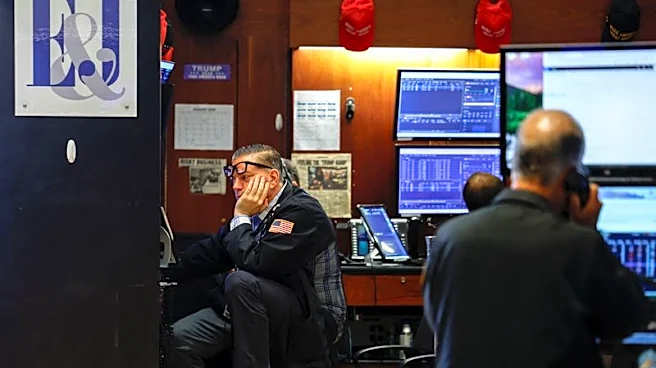
Wall Street futures were mixed, with S&P 500 e-minis nudging up 0.1% but Nasdaq e-minis down 0.7% on the day.
Hani Redha, multi-asset portfolio manager at MetLife, said the overnight losses were a natural correction to a rally that was set to continue. Strong earnings and renewed enthusiasm for AI-related tech stocks have pushed Wall Street to record highs in recent sessions.
“This is just part of an overall hangover from a tremendous party we’ve had in the market over the last few trading sessions," he said.
“We remain pretty constructive...I don't expect the pace of returns that we saw over the last few weeks, but we should be still in a market environment which is conducive for risk assets, equities in particular."
PROPOSED IRAN-OMAN DEAL
Oil prices initially held below $80 a barrel, after Reuters reported a proposed deal between Iran and Oman to help end the U.S.-Iran conflict, which could give Tehran control over ships entering the Gulf through the Strait of Hormuz. The U.S. did not comment on the proposal, which would be one of the biggest concessions to Iran yet.
Still, prices rose again during the European session, and Brent crude futures were last up 1.1% on the day at $80.34 a barrel while U.S. West Texas Intermediate futures were up 1% at $75.93.
Gold briefly touched its highest in seven weeks.
MetLife's Redha said that although the U.S.-Iran conflict has been one of the main factors influencing markets this year, along with AI spending, the market was becoming less sensitive to it.
“Overall, we've been less concerned, I'd say, about what look like negative developments from that region. It is a headwind when oil prices do spike, but we don't think that they're going to derail the cycle," he said.
MARKETS WAIT FOR PAYROLLS DATA
Euro zone government bond yields were steady, with the benchmark 10-year German yield up 1 basis point at 3.1159%.
Currency markets were also calm. The euro was barely changed at $1.1544, while the U.S. dollar index was steady at 99.744.
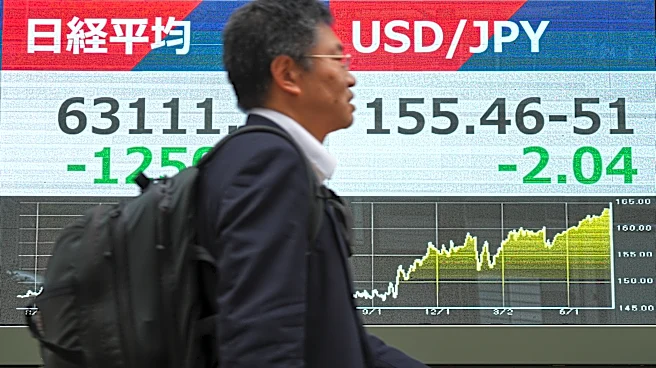
The Japanese yen was at 157.91 per dollar, having declined slightly over the last two sessions and given back some of the gains it clocked after the U.S. and Japanese governments intervened in the market on Friday.
A report at 1230 GMT is expected to show jobless claims in the week ended August 1 stood at 202,000, up from 197,000 the week before. The greater focus will be on the official non-farm payrolls figures for July due on Friday.
Federal Reserve Bank of San Francisco President Mary Daly - who is not a voting member of the Federal Open Market Committee - said on Wednesday she was “completely supportive” of the decision last week to hold interest rates steady as the central bank gathers more data about how it should respond to inflation that is well above its 2% target.
($1 = 0.8664 euros)
(Reporting by Elizabeth Howcroft; editing by Barbara Lewis, Kirsten Donovan)