


By Marc Jones and Rocky Swift
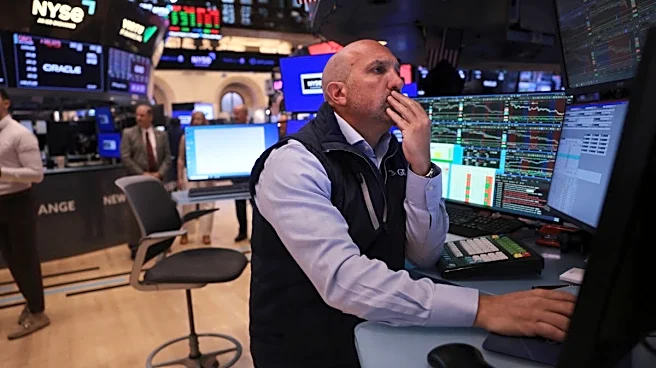
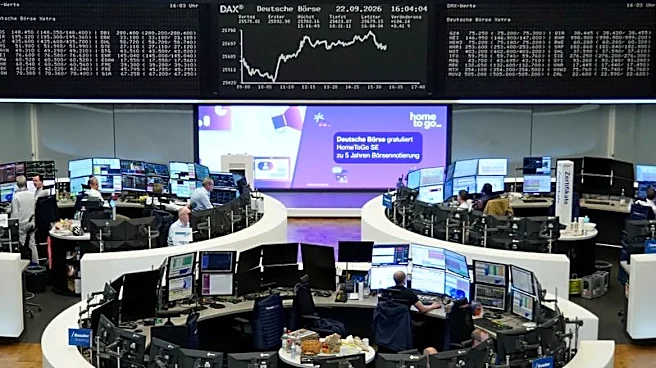
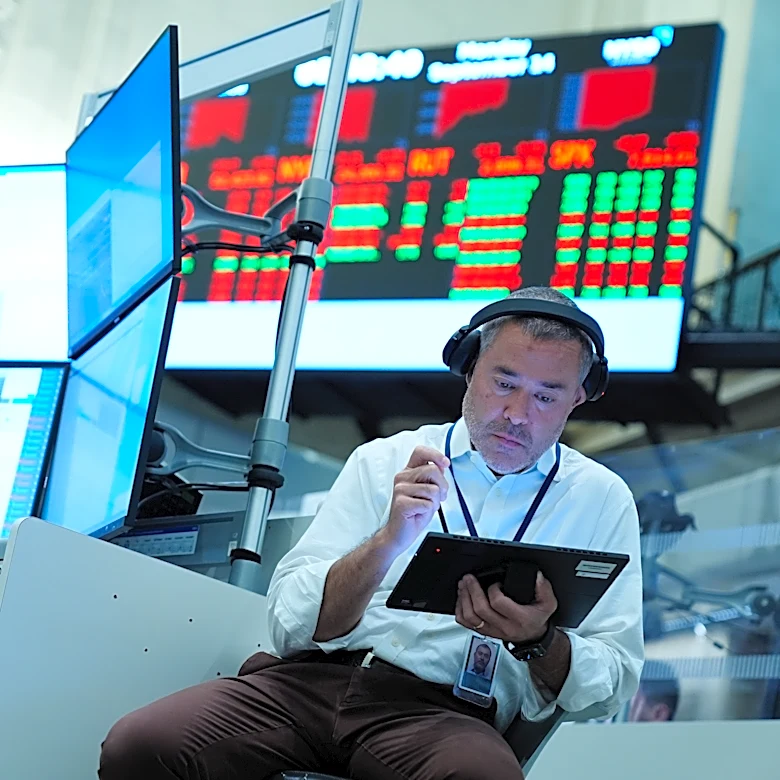
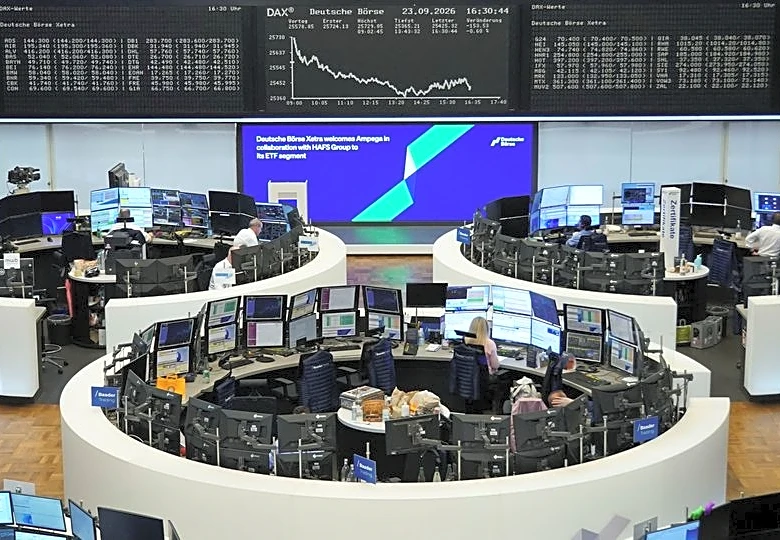
LONDON/TOKYO, Sept 24 (Reuters) - World financial markets remained on edge on Thursday after concerns about the Iran war and inflation pain had triggered the sharpest selloff in US Treasuries and other benchmark government bonds since last year's Liberation Day turmoil.
Bond yields were nudging higher again in Europe as oil prices moved back above $105 a barrel and as traders waited for what could be a tense meeting between US President Donald Trump and Chinese counterpart
Xi Jinping in Washington later.
The 10-year US Treasury yield - the benchmark of the $29-trillion Treasury market that anchors pricing for virtually all financial assets globally - touched a new post-financial-crisis high of 5.145% in early European trading.
The difference between what France and Germany pay to borrow was also at its widest since Mario Draghi's "Whatever it Takes" speech of 2012, while Japan's 10-year yield had jumped to a 30-year high overnight in Asia.
Strong PMI data and a weak US government bond sale had compounded Wednesday's global rout and AXA's Chief Economist Gilles Moec said all the ingredients were now in place for a rise in long-term interest rates.
"Inflation is high, central bankers are giving hawkish messages, there's competition from the funding needs of the tech sector and there are no reassuring signs on the US debt trajectory," Moec said.
"They are all fairly big macro issues and on top of that you have the binary geopolitical issue of what is happening in the Middle East."
UNDER PRESSURE
The latest rise in oil came as doubts grow again about the chance of a US-Iran deal, despite the talks at the UN this week. Reports have also suggested that Trump is considering a possible export ban on US-produced diesel.
Analysts at Deutsche Bank pointed to Iran foreign ministry comments that it had presented a list of conditions to the US for restarting truce talks, that included the acceptance of a shipping route agreed by Oman and Iran, along with an end to the naval blockade and the release of Iran’s frozen assets.
And Iran’s President Pezeshkian struck a defiant tone, saying that Iran would not allow freedom of navigation through Hormuz while the US blockade and sanctions remained in place.
MSCI's main world share index, the pan European STOXX 600 and Wall Street futures all moved lower amid the unsettled mood. [.EU]
History offers some guidance on how painful spikes in bond market borrow costs can be for stocks. The MSCI world index halved in value after the last time the 10-year Treasury yield broke 5%, which was just before the global financial crash.
It suffered a similar slump less than a decade earlier too when a near 6.8% spike helped pop the dotcom bubble.
"There is definitely angst in the bond market. There are no two ways about it," said Pictet Asset Management strategist Arun Sai.
"We are going through a period where the steady state equilibrium has been challenged in a number of ways, and it's competing narratives, and it's not yet obvious which of these is right," he added.
POWER COUPLE
Xi and Trump's meeting later is part of Xi's first trip to the US in nearly three years and comes after Trump visited China earlier in the year.
Analysts expected few if any major breakthroughs, but the news on Wednesday was that Washington and Beijing could extend their 11-month trade truce.
Treasury Secretary Scott Bessent said they had reached a deal on an initial 2-month extension as Trump greeted Xi personally at Joint Base Andrews in Maryland.
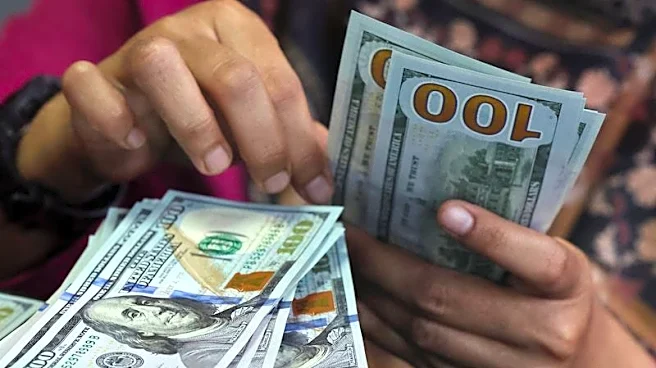
In the currency market, the dollar was hovering at a two month high against a basket of other top world currencies following the sharp rise in Treasury yields which effectively makes dollar-denominated assets more attractive.
Following Wednesday's hot PMI data, traders also now see a nearly 70% chance of another increase when the US Federal Reserve next meets in October, according to CME Group's FedWatch Tool, up from 50% a week ago.
On the economic front, the US Labor Department is expected to report later that initial jobless claims likely rose to 201,000 in the week ended September 19, while continuing claims likely increased 15,000 to 1.745 million in the prior week. New home sales are forecast to edge up to 615,000 units in August from 607,000 units in July.
Speeches are also due from a flock of Fed and ECB officials on Thursday, including New York Fed President John Williams and Cleveland Fed President Beth Hammack and ECB Executive Board members Isabel Schnabel and Philip Lane.
(Additional reporting by Naomi Rovnick in London; Editing by Louise Heavens)