
By Alien Fernandez and Anett Rios
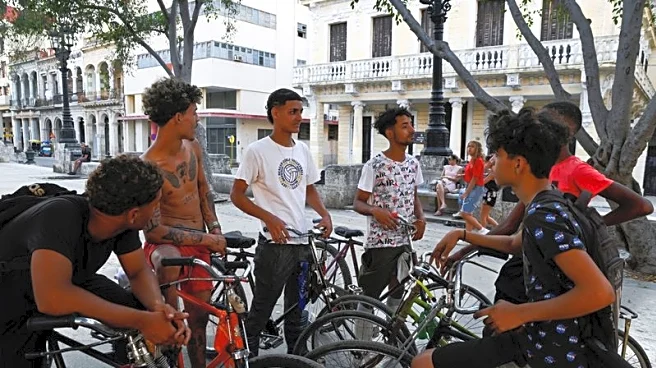
HAVANA, Feb 27 (Reuters) - Havana residents are pulling old bicycles out of storage, patching up threadbare tires, and, in some cases, learning to cycle as fuel becomes
increasingly scarce in Cuba following the U.S. takeover of Venezuela's oil exports.
Venezuela, a key ally to Cuba, had been the main supplier of crude oil and fuel to the communist-run island for more than a quarter century, until the U.S. capture of Venezuelan leader Nicolas Maduro in January.
The drying-up of that supply has pushed Cubans into a deeper level of survival mode as they contend with ever-longer blackouts and soaring prices for food and transportation as well as for fuel itself - when it is even available. Fuel shipments to Cuba from Mexico also halted recently, after the U.S. threatened tariffs on countries that supply oil to the island nation.
Some in Havana are increasingly turning to electric vehicles and scrambling to install solar panels atop their homes and businesses.
For Gabriela Barbon, 23, the ballooning transportation costs (three times higher than before to get around by car) persuaded her to get on a bike for the first time.
"Riding a bike is no longer just a hobby or something I wanted to do at some point in my life; it's a necessity," she said during a training session hosted by local organization Citykleta in a city park, alongside other adults finding their balance on two wheels for the first time.
"The Learn to Pedal campaign came at the perfect time, just when I needed it," she said.
Citykleta organizer Yasser Gonzalez expected 100 people to sign up, but the program has attracted nearly four times as many people - many seeking alternative ways to get around the Cuban capital.
"We have an avalanche of people who want to learn," he said, as a fellow organizer helped a first-timer on a bright blue bicycle.
Yoandris Herrera is not new to cycling. But he has stored his bicycle disassembled under his bed for almost a year, opting to zip around on a motorcycle instead.
The China-made bicycle, which he bought four years ago, now has a second chance on the streets as Herrera pedals to work and takes his kids to school.
"Since fuel is so expensive right now, it's more practical to get around by bicycle," he said.
The fuel crisis has also triggered more business for bicycle repairman Pedro Carrillo, who carefully aligned the spokes of a wheel at a makeshift workshop on a Havana sidewalk, with bicycle tires hanging on the wall behind him.
"It's been like an explosion," he said. But the biking boom itself has led to a new type of scarcity, too, he said. "Sometimes I don't have parts to help people. There are things I can't get anywhere."
(Reporting by Alien Fernandez and Anett Rios in Havana; Writing by Daina Beth Solomon; Editing by Ethan Smith)