



By Kanishka Singh
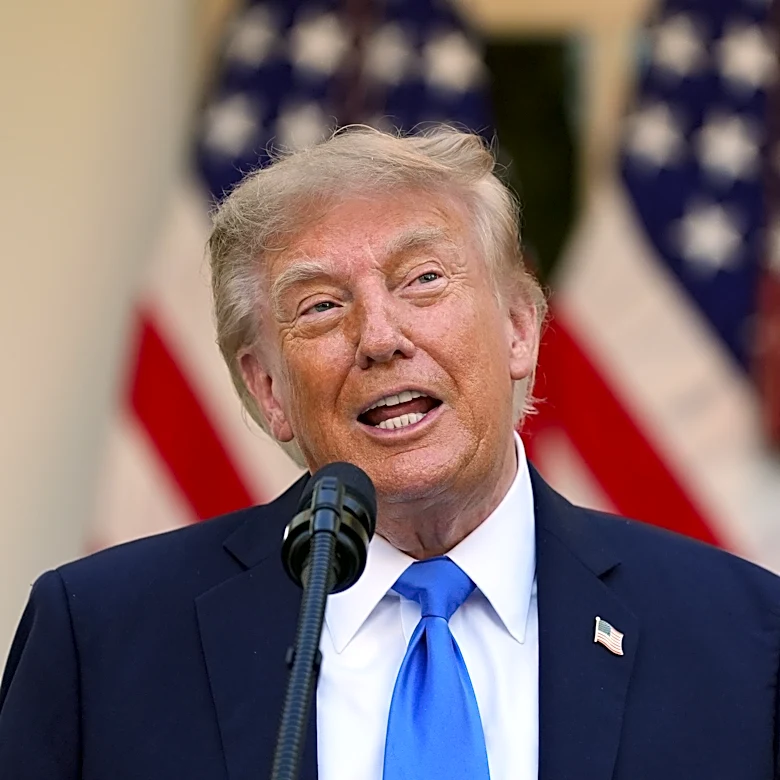
WASHINGTON, Sept 2 (Reuters) - U.S. President Donald Trump signed a funding bill on Wednesday to avert a government shutdown before the midterm elections after the legislation was passed by the House of Representatives a day earlier and the Senate in August.
The White House said he signed the bill into law.
By a vote of 370-48, the House passed the extension of current spending through December 11 on Tuesday. The Senate passed the measure on August 8.
The bill will keep federal agencies
operating beyond October 1, when existing funds are due to expire with the start of the new fiscal year.
The temporary measure was needed because Congress so far has failed to finish work on any of the 12 spending bills that fund government programs for the full fiscal year that runs through September 30, 2027. Those programs range from homeland security and federal law enforcement to energy, housing and defense.
Since the beginning of Trump's second term, Congress has been consumed by contentious fights between Republicans who control Congress and the Democratic minority in the House and Senate.
The result has been three partial government shutdowns, totaling an unprecedented 161 days, as the two parties fought over health insurance subsidies and checks on federal immigration enforcement.
This time, neither Republicans nor Democrats wanted a fourth shutdown hanging over them as they run for re-election, potentially enraging voters who are upset about high prices, the months-long U.S.-Israeli war on Iran that has raised oil and gas costs and tariffs on foreign goods that have hit farmers particularly hard.
The stopgap bill fails to address any of the country's major fiscal problems after the national debt crossed the $40 trillion threshold last month; Washington has failed to address voters' top concern of affordability.
Furthermore, with the legislation delaying decision-making on spending priorities for another 15 weeks, Congress in December faces a potentially arduous task of writing and passing the 12 full-year spending bills.
The results of the November 3 congressional elections - with party control over Congress at stake - will be a major factor in whether Republicans or Democrats have the upper hand in those negotiations.
(Reporting by Kanishka Singh in Washington; Editing by Thomas Derpinghaus)