



By Gregor Stuart Hunter and Danilo Masoni
SINGAPORE/MILAN, Aug 27 (Reuters) - Stocks steadied on Thursday after Nvidia's strong sales growth forecast bolstered technology shares, while geopolitical uncertainty and data showing the Federal Reserve's preferred U.S. inflation measure is stubbornly high subdued trade elsewhere.
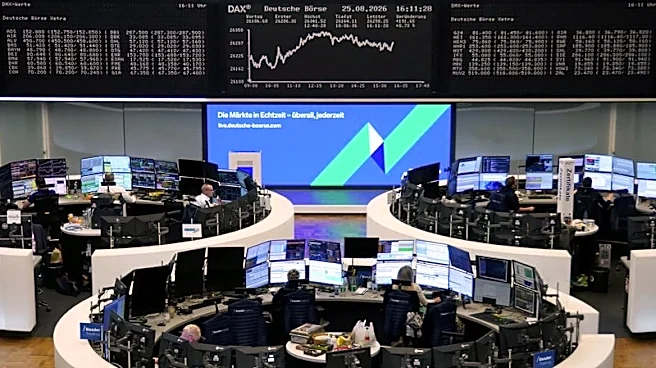
European technology stocks led sectoral gains, up 1.3%. The pan-European STOXX 600 was down about 0.1% and the MSCI All Country World Index was little changed. Technology-heavy
Asian markets were mostly firmer.
On Wednesday, Nvidia forecast a roughly 70% jump in revenue in the fiscal year ending January 2028, well above analysts' expectations. The chipmaker also said shortages of memory components would continue to limit the pace at which it can expand production.
"Nvidia’s earnings can’t be ignored," said Ipek Ozkardeskaya, senior analyst at Swissquote, noting the sales outlook made the difference.
"No matter how high the expectations were, no matter how much higher the whisper numbers sat, Nvidia managed to beat all of these expectations."
Nvidia's Frankfurt-listed shares rose 6%, lifting Wall Street futures.
ASIAN MARKETS EDGE HIGHER
MSCI's broadest index of Asia-Pacific shares excluding Japan was up 0.3%, stretching its gains into a third consecutive day.
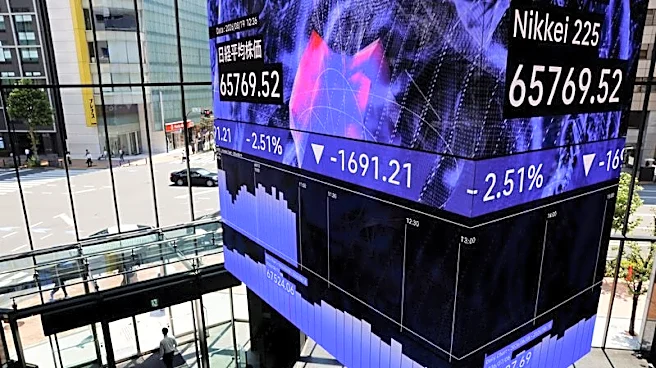
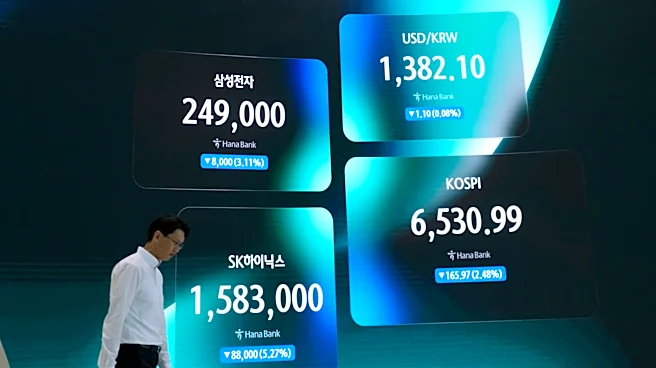
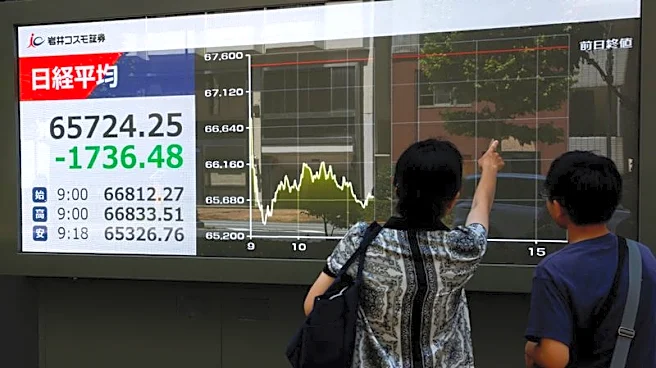
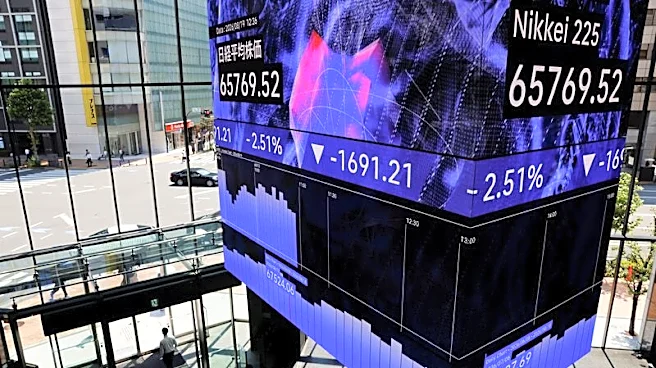
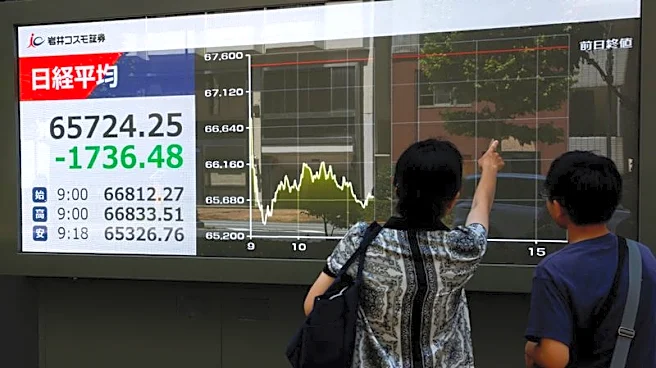
South Korea's KOSPI rose 1.5%, paring earlier gains after the Bank of Korea raised interest rates by 25 basis points to 3%, in line with market views that narrowly expected a hike. Taiwanese shares rose 0.3%, while the Nikkei 225 < .N225> slid 0.2%.
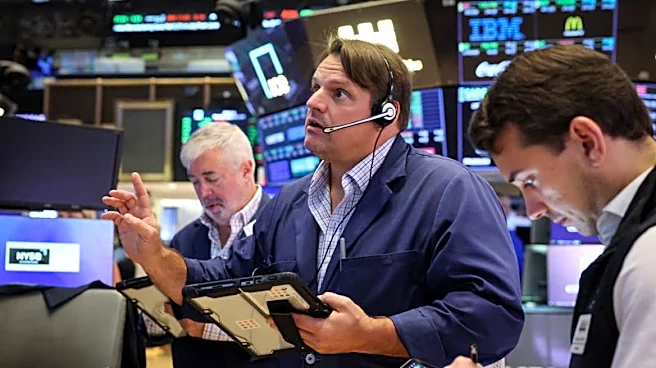
Nasdaq and S&P 500 futures rose 0.8% and 0.4% respectively after a weaker close the day before when the personal consumption expenditures index rose 0.2% in July compared with the prior month after a 0.1% decline a month earlier.
"While July core PCE inflation came in line with consensus, the details of the release were more inflationary," wrote Jim Reid, global head of macro research at Deutsche Bank.
He added that the strong economic momentum signalled by durable goods orders and GDP data was hard to reconcile with the view that monetary policy remains restrictive.
The yield on the U.S. 10-year Treasury bond was down 2 basis points at 4.644% as markets awaited Fed Chair Kevin Warsh's speech in Jackson Hole, Wyoming, on Friday for further clues on the path for U.S. interest rates.
Brent crude futures were down 1.1% at $86.8, on track to fall for a fourth consecutive day as Qatar's prime minister prepares to visit Tehran on Thursday to try to relaunch peace talks between the U.S. and Iran.
"Crude oil prices continued to gradually ease despite a still highly uncertain outlook around management of the Strait of Hormuz and the current health of global oil supply, especially in light of renewed threats of escalation from Putin in the Russia-Ukraine war," Westpac analysts wrote.
Gold edged up 0.1% to around $4,598 an ounce after a retreat on Wednesday. In cryptocurrency markets, bitcoin rose 0.5% at $78,802 after briefly topping the $80,000 mark this week for the first time in more than three months. Ether climbed 0.8% to $2,493.
All three are benefiting from the revival of what are known as "dollar debasement trades" after the U.S. Treasury Department intervened in bond markets last week, and for the month are up 14%, 25% and 34% respectively.
The U.S. dollar index, which measures the U.S. currency's strength against a basket of six other currencies, was steady at 99.14, near its highest level over the past week.
(Reporting by Gregor Stuart Hunter and Danilo Masoni; Editing by Thomas Derpinghaus and Barbara Lewis)