



By Michael S. Derby and Howard Schneider
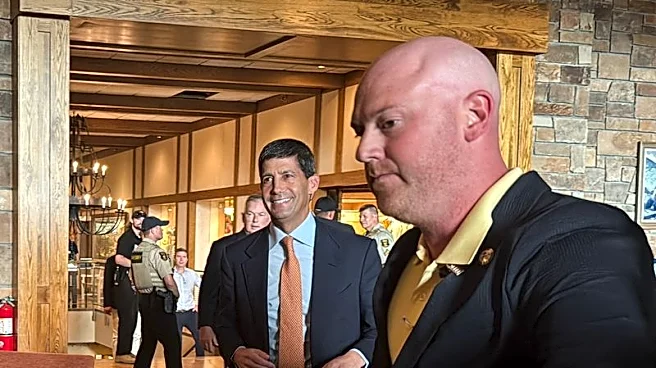
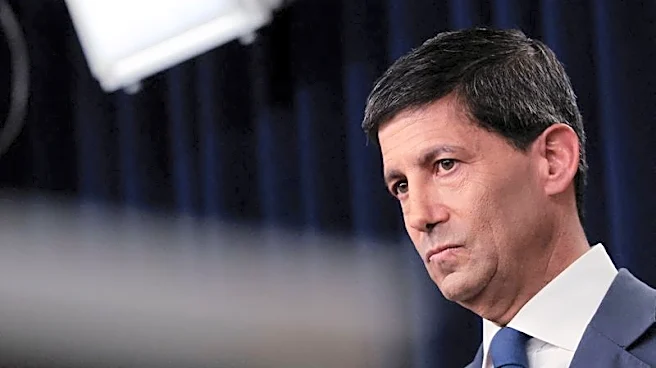
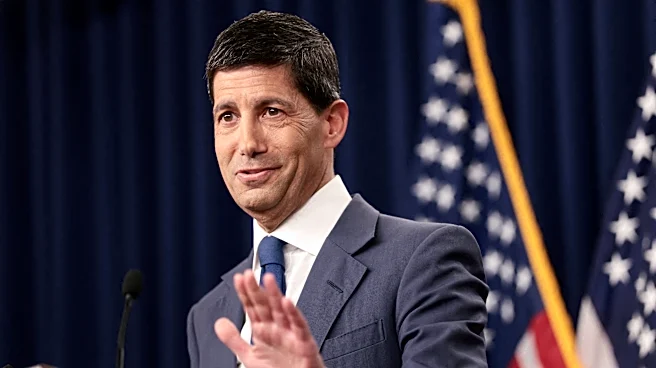
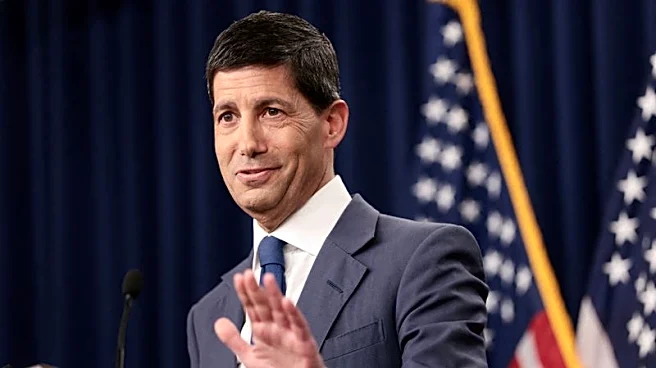
JACKSON HOLE, Wyoming, Aug 28 (Reuters) - Federal Reserve Chairman Kevin Warsh's disdain for signaling anything about the monetary policy outlook appeared to have tempered a bit on Friday in the face of a bond market clamoring for his thoughts on high inflation and what he might do about it.
Warsh, in his debut speech to the Kansas City Fed's annual economic symposium in Jackson Hole, Wyoming, communicated just enough for financial markets to shift toward expecting
an interest rate hike next month, in what observers saw as something of a welcome return to traditional Fed practice.
"Here is my standard: We must be confident that underlying inflation is moving to our objective, clearly and at sufficient speed," he told the audience of global central bankers. "Otherwise, we have work to do."
It was a notable shift for a central bank leader who in the same remarks still asserted that "a quieter Fed, more purposeful in its communications, is better able to meet its objectives."
"We do have a better sense now of how Chairman Warsh is seeing the economy, and that is very helpful and very constructive," Nathan Sheets, global chief economist at Citigroup, said in a conference call after Warsh's speech. In terms of how Warsh spoke on the economy, "having his diagnosis is a meaningful step forward compared to where we were coming out of the July press conference."
Warsh changed gears amid debate over whether he would merely echo his performance during a July 29 press conference following the Fed's decision to leave its policy rate unchanged in the 3.50%-3.75% range and remain mum on rates and how he deliberates on policy, or whether he'd start engaging in a way recent Fed chiefs have.
Warsh's remarks only went so far, straddling both sides of those expectations and saying just enough for markets to take away a message that the odds of a rate hike at the September 15-16 policy meeting are now much higher.
He prefaced his remarks with a quip suggesting he would not break too far from his established pattern: "You can call it an outline ... you can call it a trail map ... just don't call it forward guidance."
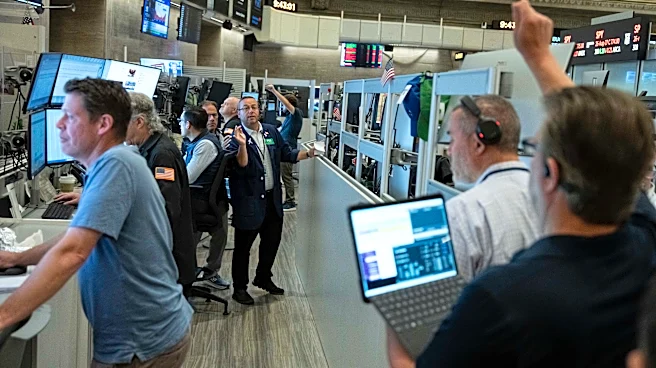
For markets, what followed — a glimpse at his "reaction function" rather than a hard directional promise — offered enough of a signal to allow futures markets to reprice the Fed outlook, along with shifts in the bond market and stocks, to reflect the prospect of tighter monetary policy.
WELCOME CLARITY
Robert Tetlow, a research economist and former top Fed staffer, said Warsh's concern that providing rate guidance distorts market pricing is overdone. But he added, "it was very good for him to have gone through a rundown of how he sees the economy currently" and it was "good to hear that his assessment is quite conventional."
Until Friday, the vacuum Warsh created by his reticence since taking the reins in May had been filled by a full range of Fed officials, and they have not been shy about being open to boosting rates or explicitly calling for such a move amid a long run of inflation readings well above the central bank's 2% target.
Most of them, however, have been willing to endorse Warsh's view of forward guidance as a relic of crisis times that is no longer needed.
His decision to end this practice at the June 16-17 meeting was "exactly the right call because the uncertainties are such that we didn't have that confidence or conviction to say, well, it's pretty clear which direction we're going or how we're thinking about the future," New York Fed President John Williams said in a Reuters interview early this month.
Central bankers have not been shy about their policy views and some have noted that sharing their outlooks is about accountability and better policymaking.
"I view communicating about my viewpoints as a critical part of the job," Cleveland Fed President Beth Hammack said in an interview with Bloomberg TV on Friday ahead of Warsh's speech. "I need to help put my views out there so that businesses and households can make better-informed decisions."
In an interview with the podcast Rapid Reaction that was made public on Thursday, Chicago Fed President Austan Goolsbee also made a case for telling the public how the central bank is thinking.
"If you don't give some explanation about how you react or what you're seeing in the economy, then people are going to fill in whatever they want it to be," Goolsbee said. And that can lead to more volatility in markets, not less, he said.
Former Philadelphia Fed President Patrick Harker, now a professor at the University of Pennsylvania's Wharton School, said the key for Warsh is that his rhetorical shifts must be matched by actions that back them up.
Noting that inflation has been above the Fed's target for almost six years, Harker said, "you can't keep saying this is our job" to get it down to 2%, and then not do the things that are needed to achieve that outcome.
"As the old saying goes, actions speak way louder than words," he added.
(Reporting by Michael S. Derby and Howard Schneider; Editing by Paul Simao)