







By Stella Qiu and Wayne Cole
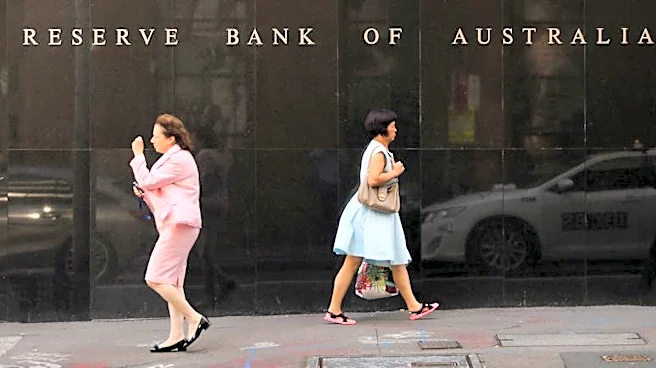
SYDNEY, May 5 (Reuters) - Australia's central bank lifted rates for a third time this year on Tuesday, returning borrowing costs to post-pandemic highs and warning that inflation would remain sticky as the conflict in the Middle East unleashed a global oil shock.
Wrapping up the May policy meeting, the Reserve Bank of Australia raised its main cash rate by 25 basis points to 4.35%, undoing all of the three rate cuts made in 2025. The board voted 8–1 in favour of the hike,
a firmer consensus than March's narrow 5-4 split.
Markets had priced in an 80% chance of a rate hike after inflation climbed to 4.6% in March, driven by higher fuel costs, while the closely watched core measure remained uncomfortably above the RBA's 2%-3% target band. Thirty of 33 economists polled by Reuters tipped a rise on Tuesday.
"Higher fuel prices are adding to inflation and there are indications that this is likely to have second-round effects on prices for goods and services more broadly," the board said in a statement.
"The board assessed that inflation is likely to remain above target for some time and that the risks remain tilted to the upside, including to inflation expectations."
The hike was largely priced in, with the Australian dollar steady at $0.7167 while three-year government bond futures were little changed at 95.33.
Markets are wagering on an 80% probability that the RBA could hike again to 4.6% in August, while a move by September is more than fully priced in.
The RBA took a gentler path than its global peers during the post-pandemic inflation surge, prioritising hard-won gains in the labour market over rapid tightening. Interest rates peaked at 4.35% early last year before three cuts brought them down to 3.6%.
That gamble backfired in the second half of the year as inflation reignited, a risk now supercharged by the Iran war and a fresh global energy shock. The U.S. and Iran launched new attacks in the Gulf on Monday, lifting Brent crude futures to $114 a barrel, up over 50% from pre-conflict levels.
The RBA now expects inflation to peak near 5% and the economy slow to a sub-par rate of 1.3% by the year end, assuming the conflict in the Middle East is resolved soon. It warned the economic hit would be far greater if the Strait of Hormuz were shut for an extended period.
Business and consumer confidence in Australia crashed on fears that the war may tip the economy into a recession. The housing market also lost some momentum amid higher borrowing costs and geopolitical uncertainties.
The labour market, however, remained tight, with the jobless rate holding at a historically low of 4.3%.
(Reporting by Stella QiuEditing by Shri Navaratnam)