
By Balazs Koranyi and Francesco Canepa
FRANKFURT, March 4 (Reuters) - Having missed the onset of a historic inflation surge just years ago, European Central Bank policymakers are likely to avoid casting any Iran war-induced price spike as "transitory" and may keep a lower bar for policy action than in past energy price shocks.
In 2022 the ECB was one of the last of the big central banks to tighten policy in response to the economic disruption caused by the pandemic and Russia's invasion of Ukraine,
only lifting interest rates in July of that year - months after the U.S. Federal Reserve and the Bank of England - calling the "inflation hump" merely transitory.
It subsequently found itself having to raise rates at a record pace as price growth shot past 10%, five times its target and the highest level since the currency bloc was established.
LESSONS LEARNED
While the ECB will again react cautiously to any temporary, oil-led surges in inflation, this time it is mindful both of the lessons from 2022 and of the fact that the import-dependent euro zone economy is more exposed than others to rising energy costs, economists and policymakers said.
"We must at all cost avoid describing inflation as 'transitory'," said one policymaker who requested anonymity so as to discuss policy deliberations candidly.
"The ECB policy outlook is in the hands of military generals now," the source added of how global prices would now depend on twists and turns in the conflict sparked by the U.S. and Israeli strikes on Iran.
The key lesson for the bank is that standard models are less reliable in exceptional shocks and more pragmatic analysis is needed, drawing on the lessons of similar episodes.
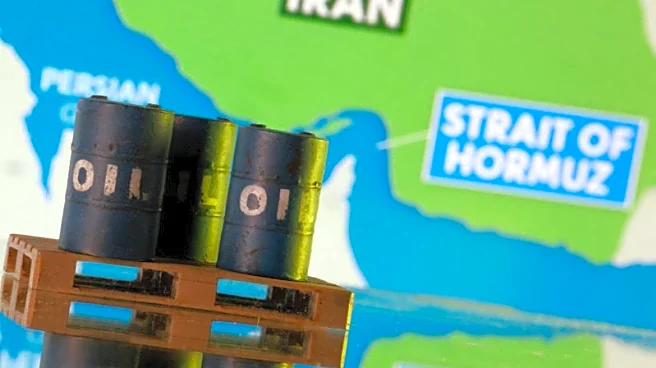
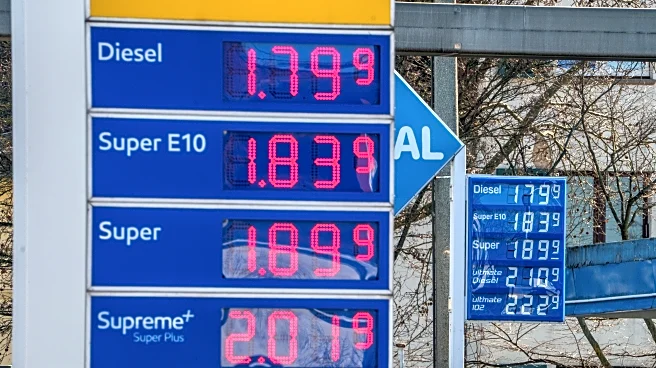
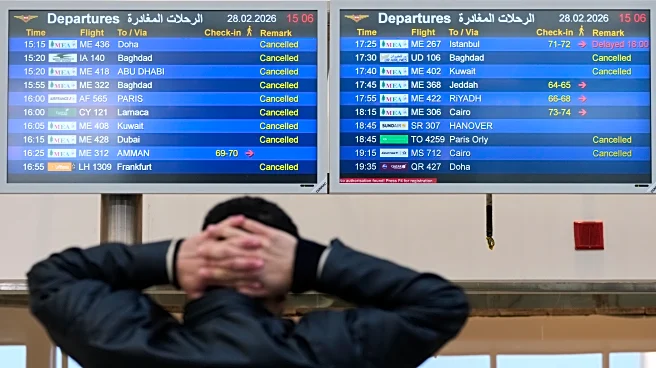
The war has already pushed oil prices 20% higher this week, and fuel retailers are likely to pass this cost on to motorists within days, creating an instant feedback mechanism.
Qatar's move to suspend its LNG supplies will mean European customers may soon have to compete on price with Asian buyers for the LNG cargoes on which it is now more dependent since largely weaning itself off Russian energy.
NOT 2022 ALL OVER AGAIN
The current environment is not fully comparable with 2022. Fiscal and monetary policies are tighter and there is no post-pandemic spending exuberance which aggravated supply bottlenecks. The war could also resolve quickly, reversing energy price increases.
But domestic inflation is still too high. It was only an earlier fall in the oil price which lowered the headline figure below the ECB's 2% target at the start of the year.
Rapid inflation is still a recent memory for firms, so the central bank may be quicker than in the past to start adjusting prices.
Global inflation is also still elevated. Even before the war, the U.S. Federal Reserve said the risk of inflation running above its target was meaningful. Minutes from its January meeting show several policymakers were open to rate hikes.
"With the 2022 inflation spike a fresh memory, risks are that inflation expectations are less anchored, and the ECB will try to not make the same mistake of reacting too late twice," Nordea economists Tuuli Koivu and Anders Svendsen said.
DILEMMAS
The ECB's dilemma is that rate hikes only weigh on prices with a 12- to 18-month lag, so action is only warranted if it believes inflation will be persistent. Moreover, an energy price spike would hit growth, which in turn would be deflationary.
But some say that should not be an excuse for inaction.
"We had this debate in 2022 and we were clearly too timid," another policymaker, who asked not to be named, said. "If we faced this growth-versus-inflation debate again, that lesson will be fresh on everybody's minds and we would obviously need to act quicker."
Policymakers speaking on the record have cautioned against hasty action, arguing that the environment is volatile and time is needed before the outlines of a new normal emerges.
Yannis Stournaras, Greece's central bank governor, argued for flexibility while Martins Kazaks, Latvia's central bank chief, said the ECB should sit tight while the impact of the war remains unclear.
The ECB's own projections put inflation below target this year and next, suggesting that there is a buffer to tolerate a modest rise.
This would mean that no action is likely at the March 19 policy meeting, even if the bank could drop its mantra that policy was in a "good place".
But markets have already started to price in a rate hike, seeing a modest 20-30% chance of a move this year on the premise that the ECB will not risk another error.
Nomura argued that the ECB is now more sensitive to supply shocks due to Europe's LNG problems and the subsequent second-round effects.
"This is partly due to ... the ECB's credibility concerns, having been behind the curve in response to the European gas crisis,” it said.
(Reporting by Balazs Koranyi; Editing by Hugh Lawson)