




By Anushree Mukherjee
July 31 (Reuters) - Oil prices were steady on Friday and on track for a monthly rise as traders assessed supply flows through key maritime chokepoints and developments in U.S.-Iran talks.
Brent futures were up 47 cents, or 0.53%, at $89.50 a barrel by 0952 GMT, while U.S. West Texas Intermediate (WTI) crude was up 4 cents, or 0.05%, to $83.63 a barrel.
Brent was on track to rise 22% in July and WTI 20%, snapping two straight months of declines for both benchmarks.
"The market has
stopped trading the war and started trading the shipping data," said Ole Hvalbye, market analyst at SEB Research.
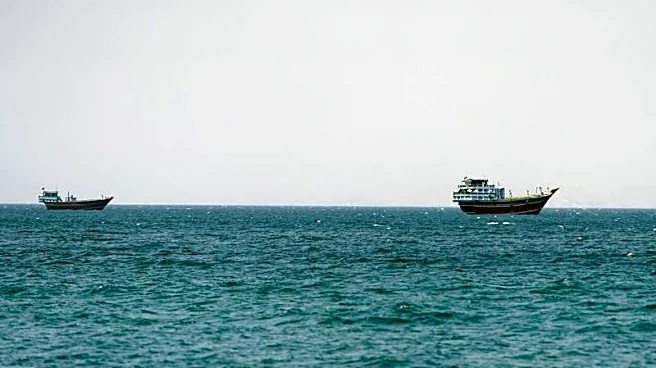
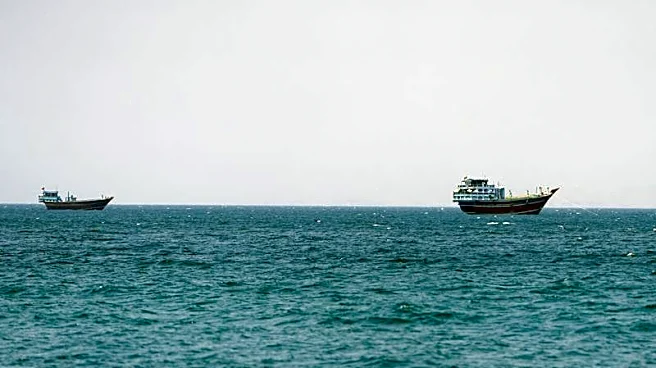
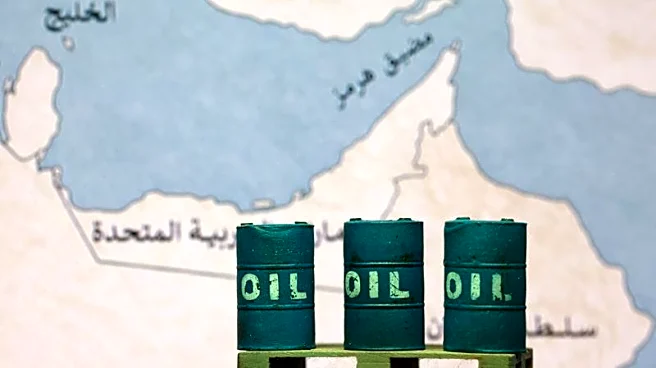
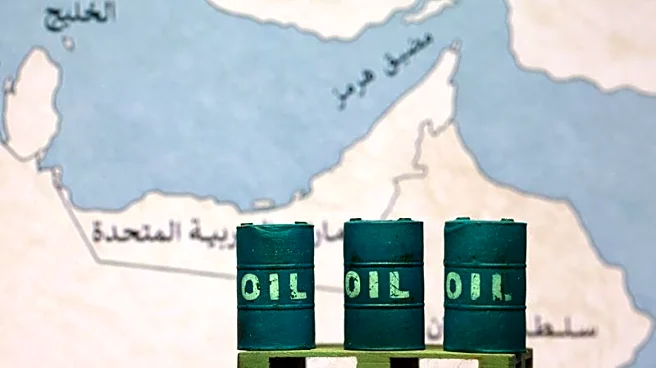
Iran's Revolutionary Guards stopped two tankers from transiting the Strait of Hormuz, while four others changed course, Fars news reported.
Two very large crude carriers (VLCC) carrying oil loaded from the Gulf did exit the strait on Friday, although traffic through the waterway remained thin, according to Kpler ship-tracking data.
Meanwhile, 29 commodities vessels passed through the Bab el-Mandeb strait on Thursday.
Talks between Iran and Oman on managing the Strait of Hormuz continue, according to the Iranian Labour News Agency, despite Iran rejecting Oman's proposal for joint management of the waterway.
Saudi Arabia is seeking to lead a coalition to boost defence cooperation in the Bab el-Mandeb strait, the Red Sea and the Gulf of Aden, all chokepoints for energy supplies.
GEOPOLITICAL RISKS REMAIN
A drone strike that sparked fires on two gas vessels in Egypt's Mediterranean port of Damietta has raised a new threat to shipping through the Suez Canal, one of the last major export routes available to Saudi oil amid the expanding U.S.-Iran war.
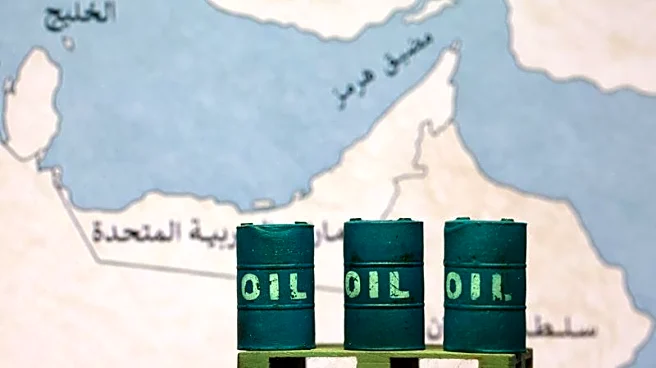
The war has disrupted traffic through both the Bab el-Mandeb strait and the Strait of Hormuz, two of the world's most important energy chokepoints.
Before the conflict, the Strait of Hormuz alone carried about a fifth of global oil and liquefied natural gas supplies, but traffic through the waterway has since fallen sharply and come to a halt for periods.
Abu Dhabi National Oil Co (ADNOC) has bought five very large crude carriers (VLCCs) for about $590 million, three sources familiar with the matter said, expanding its fleet as conflicts in the Red Sea and the Strait of Hormuz tighten tanker supply.
Elsewhere, Ukraine's military said it hit Russia's Volgograd oil refinery overnight on Friday, causing a fire at the facility.
"Brent is likely to remain in a relatively wide $80-100 per barrel range in the near term as the market reacts to geopolitical risks," said Paolo Broccardo, CEO of BankPro.
(Reporting by Anushree Mukherjee in Bengaluru, Sudarshan Varadhan; Editing by Susan Fenton and Kirsten Donovan)