



By Leika Kihara and Makiko Yamazaki
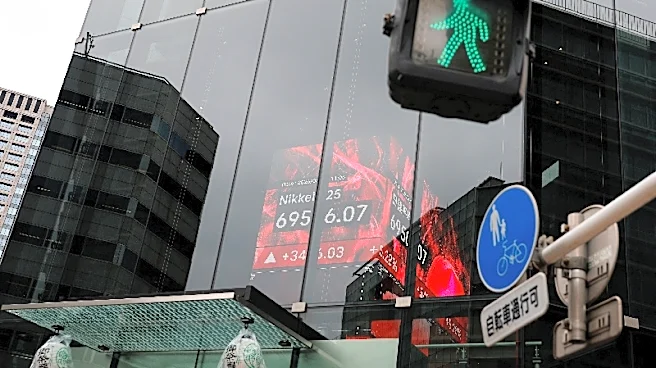
TOKYO, Sept 18 (Reuters) - The Bank of Japan raised interest rates to a 31-year high on Friday and signalled its readiness to keep pushing up borrowing costs, joining other major central banks in fighting persistent inflation pressures driven by soaring oil costs.
But the widely expected move failed to prop up the yen, which instead fell as investors focused on a lack of explicitly hawkish guidance and two dovish dissenters who argued for patience in pushing up borrowing
costs.
"The rate hike itself was in line with market expectations, but the two dissenting votes came as a modest surprise, as only some market participants had anticipated them," said Hirofumi Suzuki, chief FX strategist at SMBC in Tokyo.
"The outcome has somewhat tempered expectations for further rate hikes and conveyed a dovish impression."
At the two-day meeting ending on Friday, the BOJ raised its policy rate to 1.25% from 1% by a 7-2 vote. Dovish board members Toichiro Asada and Ayano Sato dissented to the decision.
The move follows rate hikes by its European and US peers, highlighting central banks' focus on global inflation risks caused by the Iran war-induced energy cost spike, expansionary fiscal policies and surging demand for AI investment.
It was the first hike in three months and takes interest rates closer to levels the BOJ deems neutral to the economy, marking another step away from decades of ultra-low rates that cemented the yen's status as a cheap global funding currency.
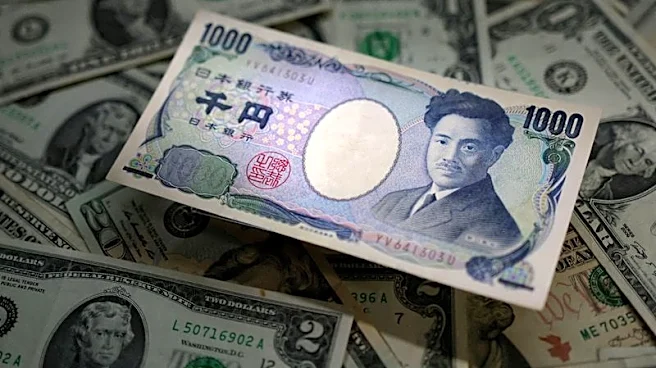
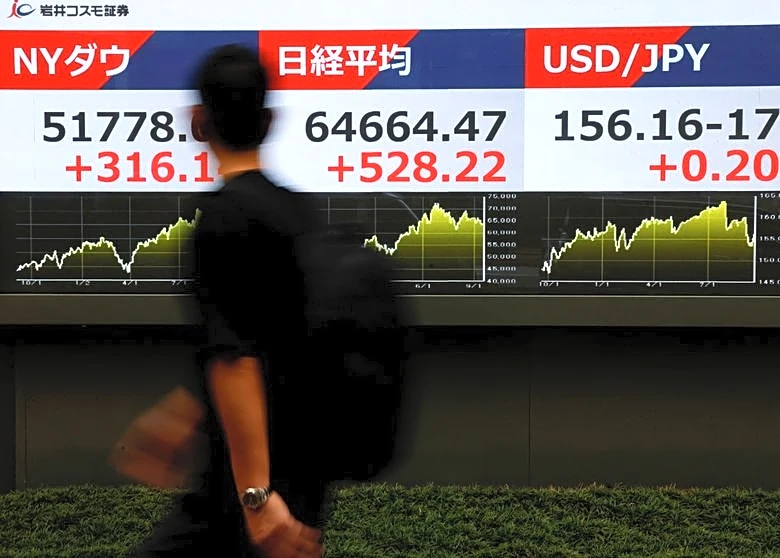
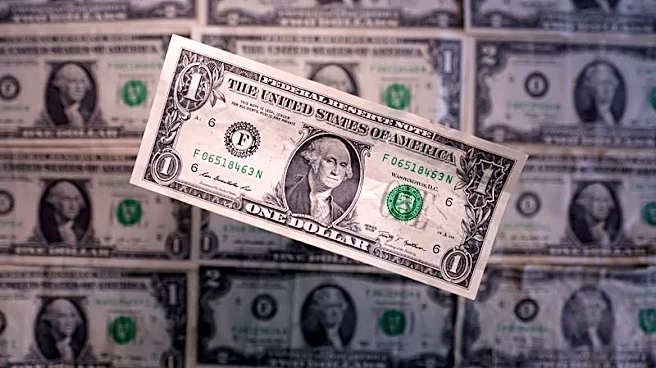
But the yen sank to 156.91 per dollar after the announcement, as the usual 25-basis-point hike and the dovish dissenters tempered expectations of bolder tightening.
In a statement announcing the decision, the BOJ said while economic and price developments are moving in line with its baseline forecast, there was a risk of underlying inflation deviating from its 2% target.
"Wholesale inflation remains elevated and price pressures from business-to-business trading has started to spill over into consumer prices," the BOJ said.
"Underlying inflation has been approaching 2%" as companies continue to pass on the cost of higher wages and inflation expectations keep heightening, it said.
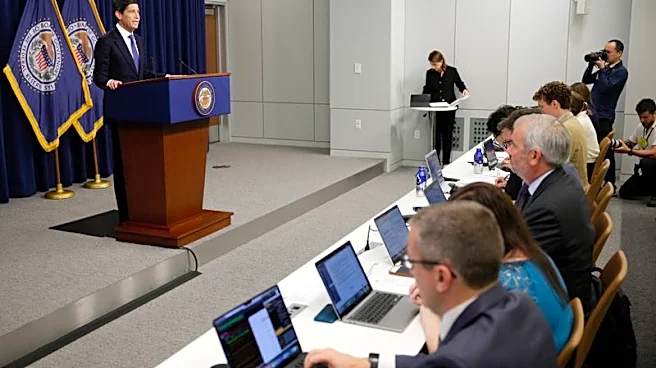
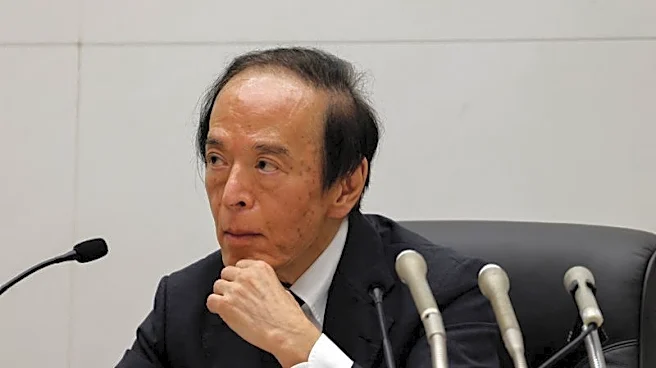
Markets are focusing on BOJ Governor Kazuo Ueda's news conference, scheduled at 3:30 p.m. (0630 GMT) for clues on the pace and timing of future rate hikes.
"The tone of the statement, along with two dissenters on the decision to raise rates, leaves lingering doubts that Japan's central bank will be cautious in tightening monetary policy further," said Fred Neumann, chief Asia economist at HSBC in Hong Kong.
"All eyes are now on the press conference to be held by Governor Ueda, with the market looking for hawkish reassurances that the BOJ is prepared to raise rates again soon."
LAGGING PEERS
The BOJ exited a decade-long stimulus in 2024 and has raised rates several times, including in June, at a pace of roughly twice a year on the view Japan was making progress in durably achieving its 2% inflation target.
Friday's hike to 1.25% brings the rate within the BOJ's estimated 1.1% to 2.5% range of Japan's nominal neutral rate, or the level that neither cools nor overheats growth, raising questions about how far it could eventually hike rates.
But the BOJ still lags global peers with its policy rate lower than that of the European Central Bank, which raised its key rate last week to 2.5%, and the Fed's 3.75%-4.00% range.
The slow pace of BOJ rate hikes had been blamed for causing a weak yen that pushes up import costs and broader inflation.
Core consumer inflation held steady near the BOJ's 2% target in August, data showed on Friday, as companies continued to pass on rising costs for a wide range of food and grocery items.
Analysts polled by Reuters expect the BOJ to hike rates to 1.5% by end-March next year and then to 1.75% in the second quarter of 2027. Most saw the terminal rate as being at least 1.75%.
AMBIGUITY MAY PREVAIL
Markets had nearly fully priced in September rate hike after a slew of hawkish BOJ signals, including its warning in July of the risk of an inflation overshoot from soaring fuel costs, rising import costs from a weak yen and strong AI demand.
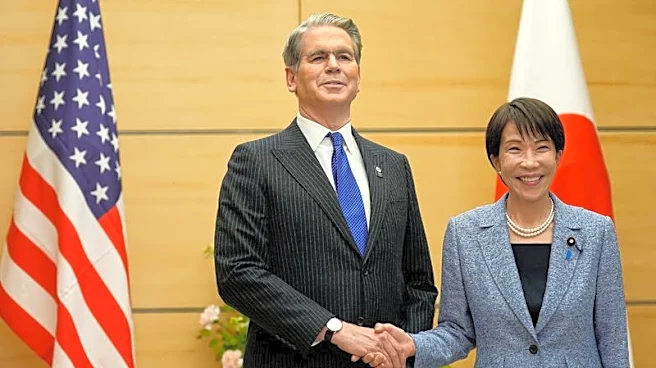
US Treasury Secretary Scott Bessent also piled in, saying he voiced his strong support for "decisive" monetary steps to combat yen weakness in a meeting with Ueda this month, held on the sidelines of a G20 finance leaders' gathering.
In agreeing to join Japan's yen-buying intervention, Bessent also urged Prime Minister Sanae Takaichi's administration to avoid ramping up fiscal stimulus - a move running counter to the BOJ's efforts to rein in inflation, sources have told Reuters.
But many BOJ officials, including Ueda, remain vague on the potential speed and degree of future rate hikes, arguing that much would depend on the inflation outlook and how the bank's past rate hikes could affect financial conditions.
(Reporting by Leika Kihara and Makiko Yamazaki; additional reporting by Satoshi Sugiyama and Hina Suzuki; Editing by Sam Holmes)