


By Libby George and Dhara Ranasinghe
LONDON, March 19 (Reuters) - Voters grappling with unprecedented turmoil head to the polls in more than 50 countries this year, with the opportunity to make clear their views on their governments' strategies for wars, tariffs and economic strife.
Here are some of the elections that will be most closely watched by financial markets:
DENMARK
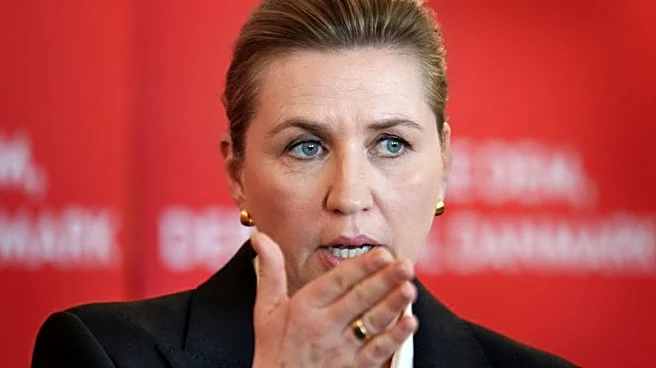
Denmark's Prime Minister Mette Frederiksen wants to capitalise on a surge in support for her defiant stance against U.S. pressure
over Greenland in a parliamentary election on Tuesday.
How Greenland votes will be a barometer of the islanders' appetite for independence and a gauge of the response to Trump's Greenland plan. While its governing coalition advocates a long-term path toward independence with Denmark as a key partner, the opposition Naleraq party wants separation, sharpening a divide that analysts say Washington could seek to exploit.
HUNGARY
April 12 elections pose the biggest threat to Hungarian nationalist Prime Minister Viktor Orban in his 16-year rule, with the centre-right opposition party Tisza leading in most polls.
Orban has cut taxes and hiked wages to placate voters in an economy where growth has lagged its neighbours. He has also angered much of Europe by blocking loans to Ukraine.
"Should Tisza prevail, we would expect EU fund inflows to resume swiftly, and the prospect of potential euro membership would likely lead to a notable appreciation of Hungarian assets," economists at Goldman Sachs wrote in a note.
UNITED KINGDOM
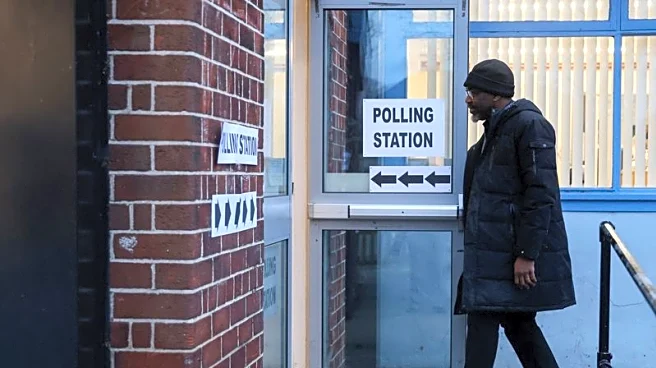
Local elections don't usually attract the attention of foreign investors but those in the UK on May 7 might well. Keir Starmer's governing Labour Party is trailing the populist Reform UK and the left-wing Green Party in the polls and has struggled to deliver on promises to boost economic growth.
The bond market in particular is sensitive to signs that the fiscally restrained Starmer might be replaced, while the pound could weaken further.
The Middle East war has dampened speculation that Starmer will be ousted soon. Still, online prediction market platform Polymarket gives a 69% chance of such a move by year-end. The next national election must be held by August 2029.
ETHIOPIA AND ZAMBIA
Ethiopia and Zambia, which have both defaulted on their debt, hold summer elections, with the economy a top concern.
Investors have hailed Zambia's economic reforms and growing copper production, while rising gold and coffee exports and foreign exchange reforms have boosted Ethiopia's prospects.
Ethiopian Prime Minister Abiy Ahmed's Prosperity Party is almost certain to win in June amid opposition boycotts and security concerns that could hinder voting.
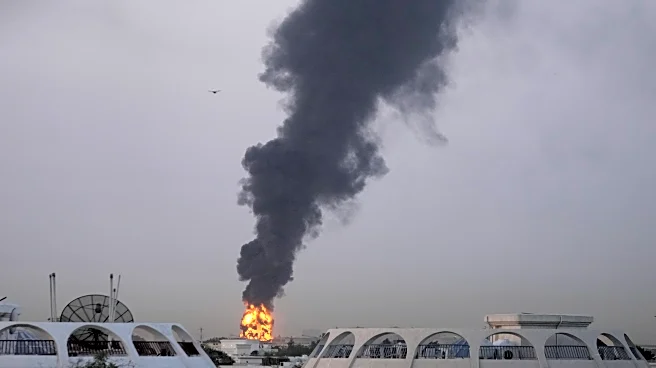
Zambia's incumbent President Hakainde Hichilema is also tipped to win in August, but energy and fertiliser price spikes related to the Iran war could hurt. Ratings agency S&P says the election poses a risk to policy continuity, just as the government's fiscal consolidation efforts start to bear fruit.
PERU AND COLOMBIA
Colombia's May presidential race remains open after divided results in March congressional elections.
Some investors have cheered the rising fortunes of centre-right candidate Paloma Valencia, despite political polarisation.
"We are inclined to hold a constructive view, as political conditions still support a swing toward pro-market policies," Barclays economist Alejandro Arreaza said in a note.
In Peru, two right-wing presidential candidates lead the polls for April's election, but Bank of America said most contenders "do not seem to represent a major threat" to Peru's orthodox economic model.
The country has had eight presidents since 2018, but growth in nearly all sectors has boosted the economy. Bank of America warned that a chaotic election, like the 2021 race that was marred by turmoil and fraud allegations, could trigger capital flight.
ISRAEL
Parliamentary elections in Israel, expected in October, are viewed as a referendum on Prime Minister Benjamin Netanyahu. The vote could come earlier if the Knesset does not pass the 2026 budget before the end of March.
Polling before the Iran war suggested that Netanyahu's right-wing coalition would struggle to win enough seats to form a government.
Tellimer's Hasnain Malik noted that war casualties and costs could make it tough for Netanyahu's coalition to regain ground.
Israel's economy had rebounded in 2025, and was expected to further improve in 2026, before the war began. The uncertainty could add to volatility in the shekel currency and government bonds.
BRAZIL
Brazil's leftist President Luiz Inacio Lula da Silva is neck-and-neck in an October race against right-wing senator Flavio Bolsonaro, the son of former President Jair Bolsonaro.
Seats in the lower house, two-thirds of the Senate and all 27 state governors are also up for grabs.
Inflation has moderated and joblessness hit a record low in December, but economic growth of 2.3% last year was the weakest since the COVID pandemic.
Oxford Economics' Felipe Camargo said a centre-right government under Bolsonaro could yield a "goldilocks scenario for markets" including a focus on lowering inflation and reversing a growing debt-to-GDP ratio.
UNITED STATES
The U.S. November mid-term elections will determine who controls Congress. It's a major test for U.S. President Donald Trump, especially if the Middle East war drags on.
Trump's foreign policy gamble may derail Republicans' chances as voters focus on cost-of-living concerns.
Democrats hold a slight edge over Republicans on the cost-of-living issue, according to Reuters/Ipsos polling, and the White House has scrambled to address this through measures including capping credit card interest rates.
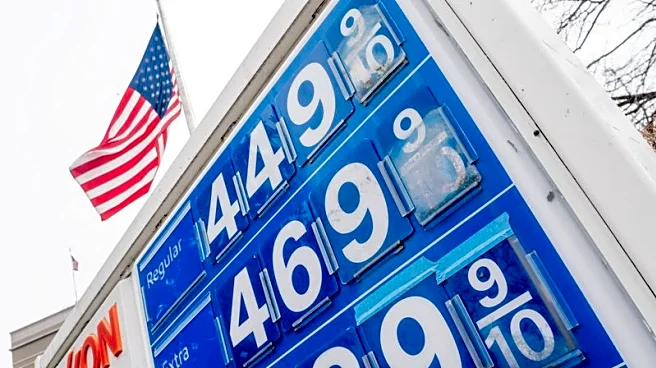
"The big issue in the mid-terms will be affordability and people in the middle-class income range will be most affected by higher oil prices," said Peter Ricchiuti, professor of finance at Tulane University’s Freeman School of Business.
Analysts say uncertainty ahead of the vote could weigh on the dollar and world stock markets.
(Reporting by Libby George and Dhara Ranasinghe; Graphics by Marc Jones, Rodrigo Campos, Gergely Szakacs and Nikhil Sharma. Editing by Karin Strohecker and Kirsten Donovan)