



By David Shepardson
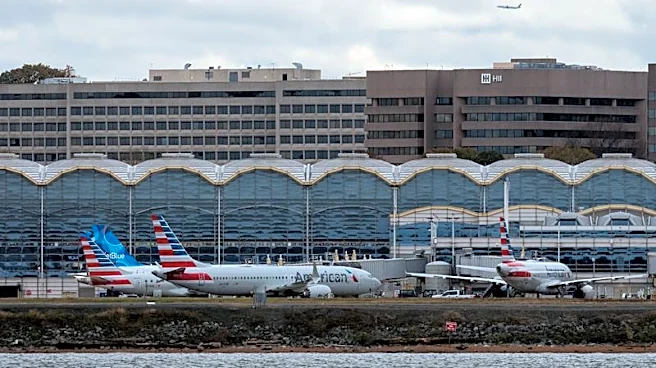
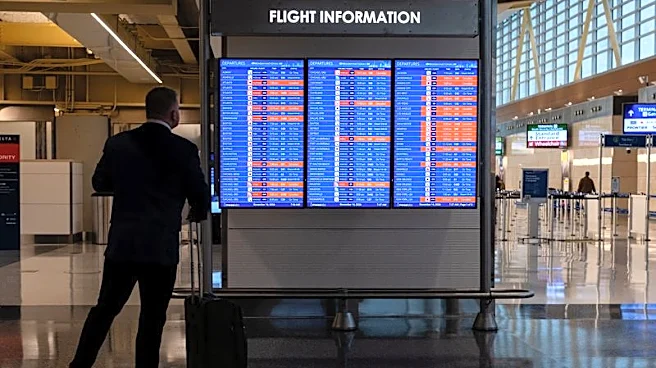
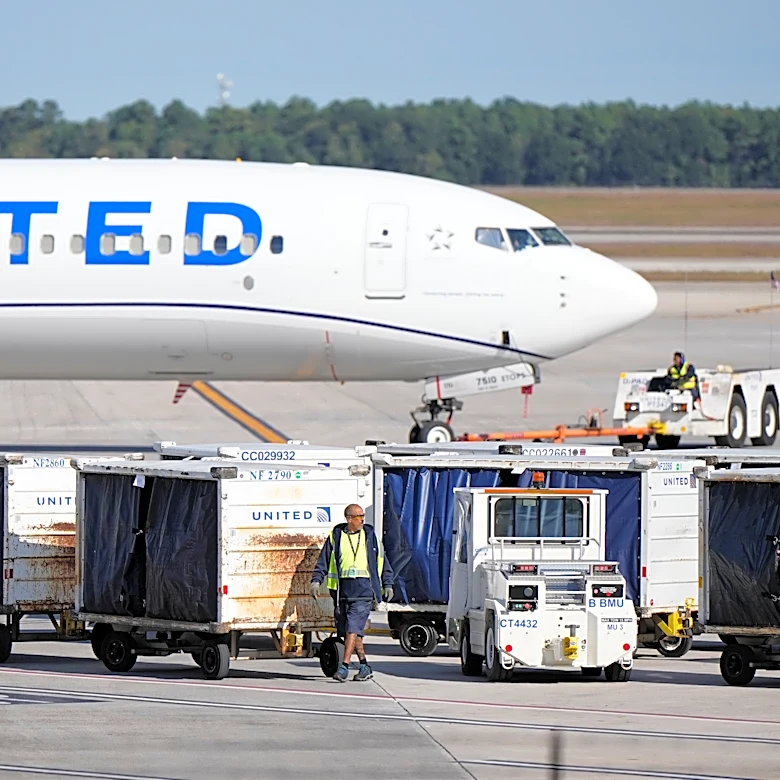
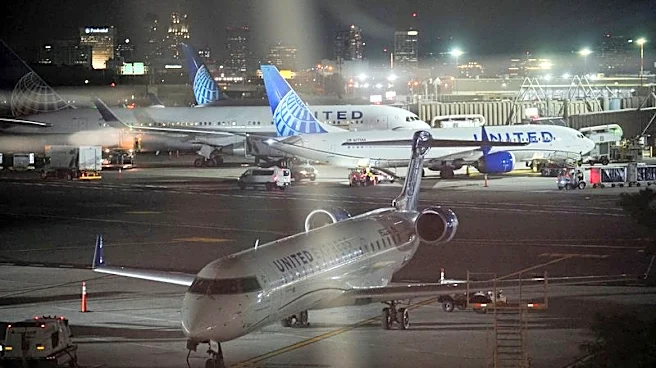
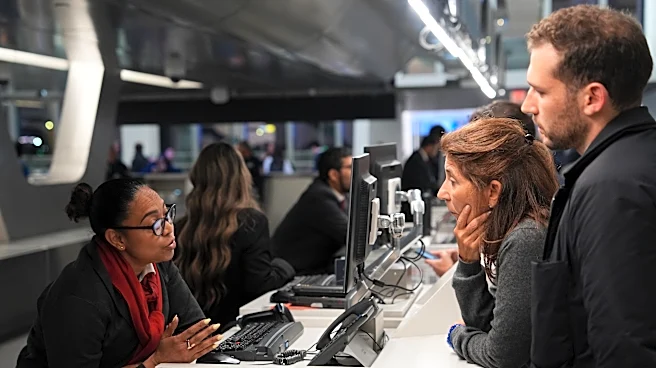
WASHINGTON, Nov 16 (Reuters) - US air travel largely returned to normal on Monday after more than 18,000 flight cancellations over three days stemming from Friday's longest ground stop in 25 years, though the resumption was briefly marred by a United Airlines technology outage.
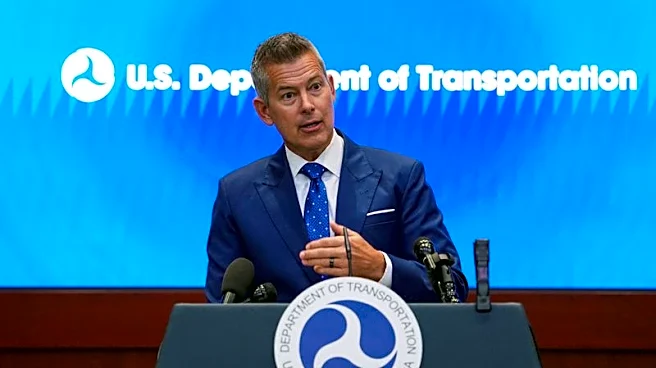
Speaking on CNBC, Transportation Secretary Sean Duffy estimated the economic impact of the broader disruptions — which also delayed nearly 28,000 flights — would be in the billions of dollars. The problem
was suspected to have been caused by a single router installed during routine maintenance.
United on Monday experienced a technology outage affecting its departing flights for about an hour. The issue was resolved by 6 p.m. ET (2300 GMT) and did not affect other airlines.
As of 6:50 p.m. ET, United had delayed 645 flights, or 20% of its schedule, and canceled 25 on Monday, according to flight-tracking website FlightAware.
It was unclear how many of those disruptions were caused by Monday's technology issue, as airlines were still recovering from Friday's nationwide FAA ground stop.
As air travel stabilized, the conversation in Washington turned to how the air traffic control network will be fixed, how it will be funded and who was to blame for Friday's alarming shutdown.
Senate Majority Leader John Thune said Monday that only $4 billion of $12.5 billion approved by Congress to improve air traffic control systems had been spent. "There's some explanations that have to be given as to why that number is where it is," Thune said.
He said just $12 billion of the $30 billion in more funding sought last week was for air traffic modernization, with the remainder for airport-related projects.
By 6 p.m. ET on Monday there were 344 flight cancellations and 4,800 delays, down from more than 2,300 canceled and 11,000 delayed on Sunday, according to FlightAware.
The four largest US airlines could face a $345 million earnings hit from the nationwide ground stop, brokerage Bernstein estimates.
FUNDING FOR UPGRADES
US President Donald Trump said on Monday that funding was needed to upgrade the air traffic control system. "Essentially, what you saw was very old equipment that had a heart attack," Trump told reporters.
Duffy on Friday raised his request for funding for air traffic control and airports to $50 billion from $30 billion. The FAA is still using aging equipment including Compaq computers, floppy disks, 25-year-old obsolete routers and paper strips to track aircraft.
"This rickety system is telegraphing to the American people, 'Hey, we need investment'," Duffy said on Monday. "Now is the time to do a big dollar amount to modernize the system."
Republican Senator Eric Schmitt weighed in by saying the necessary funding was long overdue. "We should just go all in here and get this thing fixed," Schmitt told Reuters. "The can has been kicked for a long time ... Clearly this is a decades-old problem in the making."
Democrats in Congress say Duffy has spent or committed to spend just $4 billion of the initial $12.5 billion approved last year for air traffic control, while the Transportation Department said it had finalized plans for much of the funding and needs more money for telecoms upgrades.
"They have money, they don’t use it, and then they come back and say, 'Give us more money.' Well, we want to give them all the money they need, but they’ve got to use it, and know how to implement it, and they don’t," Senate Democratic Leader Chuck Schumer said on Monday.
Democrats also want hearings into what led to the communications disruptions that brought nearly all US air travel to a halt for more than four hours on Friday.
Duffy and Republicans want quick action on the additional funding in the final weeks before the current Congress goes home and Democrats take over in January.
(Reporting by David Shepardson; Editing by Kevin Liffey, David Goodman and Jamie Freed)