



By Ricardo Brito and Brendan O'Boyle
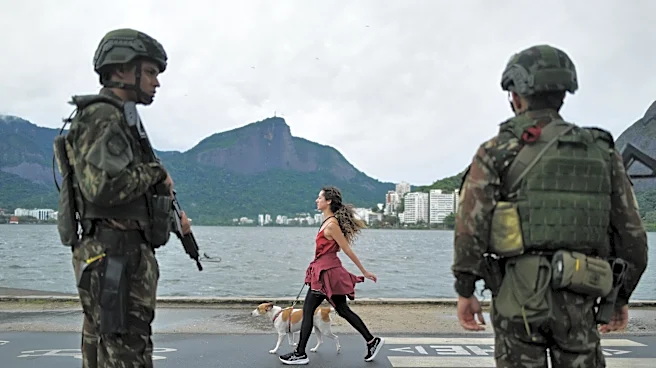
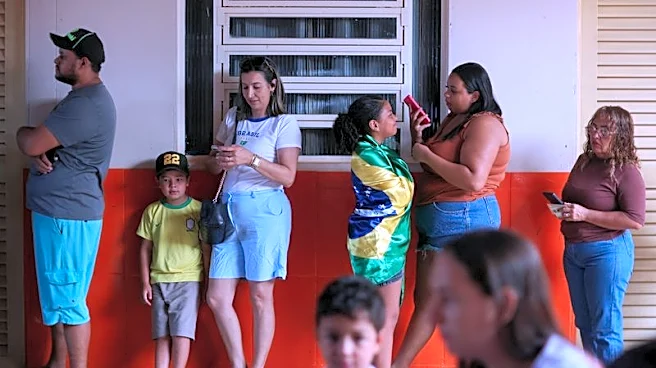
BRASILIA, Oct 25 (Reuters) - Brazil's Supreme Court extended voting in the country's presidential election by two hours on Sunday, leading the electoral authority to pause a vote count that had already started publishing early-stage results.
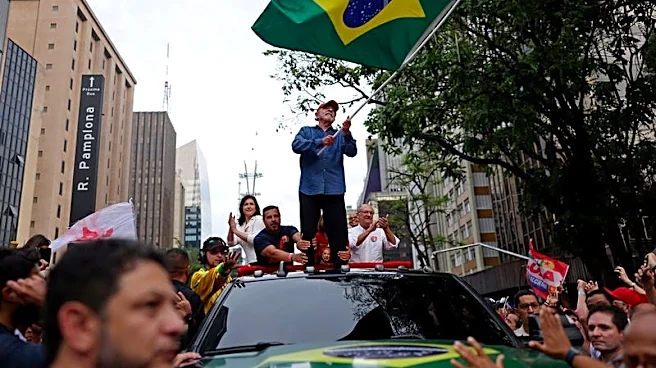
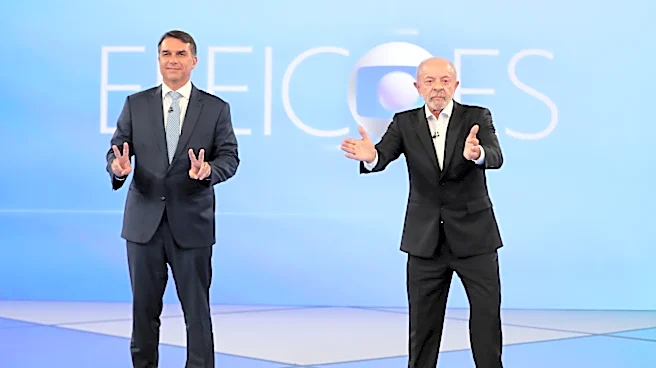
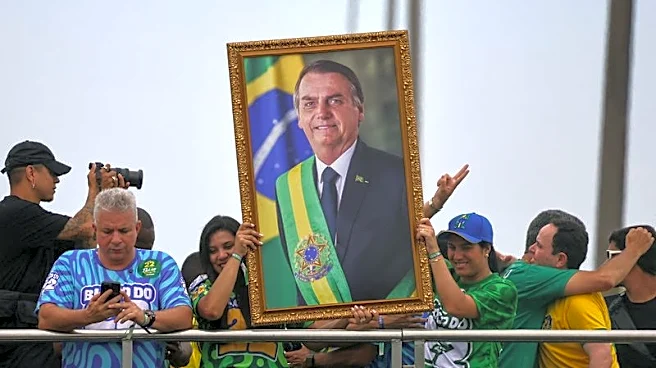
The election pits leftist President Luiz Inacio Lula da Silva against right-wing Senator Flavio Bolsonaro, the son of convicted former President Jair Bolsonaro.
Polls were initially set to close at 5 p.m. Brasilia time (2000
GMT) and will now close at 7 p.m, after Supreme Justice Cristiano Zanin accepted a request by Lula's campaign to extend voting, pointing to public transportation issues in three cities in the state of Bahia.
Zanin's decision landed right around the 5 p.m. cutoff, when the electoral court had already started publishing results that showed Lula leading Bolsonaro with 0.25% of ballot counted. Lula had 57.66% of votes, compared with 42.34% for Bolsonaro, the early count showed.
After the Zanin ruling, the TSE said it would pause the vote count to allow for the extended voting window to close.
PAUSE ADDS UNCERTAINTY
The pause over the vote count injects uncertainty into a Brazilian electoral process still grappling with the fallout from 2022, when Jair Bolsonaro refused to concede defeat to Lula. His supporters later invaded government buildings in protests against the result, and Bolsonaro received a 27-year prison sentence for plotting a coup.
Lula had asked electoral authorities to extend voting in at least nine states after his campaign alleged some officials reduced election day public transportation, impacting voters' ability to get to the polls.
Earlier on Sunday, a court in Bahia, a Lula stronghold in the Northeast, ordered the arrest of a top transportation official in the city of Salvador over allegations that he directed a reduction in the city’s bus fleet.
Bolsonaro had also asked for voting to be extended in at least three states, citing bad weather.
(Reporting by Oliver Griffin, Luciana Magalhaes and Lisandra Paraguassu in Sao Paulo; Ricardo Brito, Bernardo Caram and Brendan O'Boyle in Brasilia; Marta Nogueira in Rio de Janeiro, Trevor Hunnicutt in Washington, Editing by Alistair Bell, Christina Fincher, Andrew Heavens, Nick Zieminski and Aurora Ellis)