

By Oliver Griffin and Lais Morais
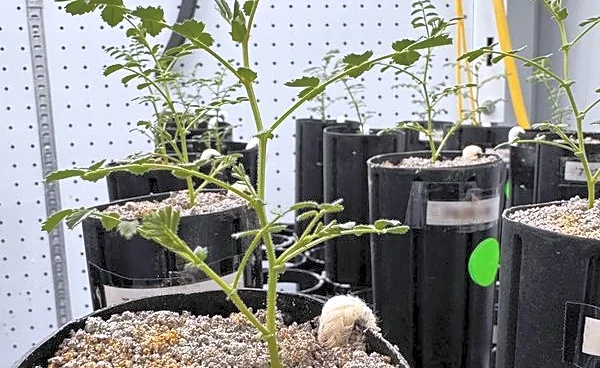
SAO PAULO, March 6 (Reuters) - The world's largest urban coffee plantation, located in Brazil's sprawling city of Sao Paulo, this week welcomed some 1,500 new coffee plants as researchers prepare to study their capacity to resist climate change and pests.
Sao Paulo's Biological Institute was established in 1927 with the mission of tackling a crisis caused by pests like the coffee berry-borer beetle which devour the beans hidden inside coffee cherries.
Brazil is the
world's top producer of arabica coffee, as well as the second-biggest producer of canephora coffees, which include varieties like robusta and conilon.
The plantation in Sao Paulo's Vila Mariana neighborhood, which already boasted more than 2,000 coffee plants, welcomed arabica varieties this week billed as resistant to pests and coffee rust, a type of fungus, as well as other plants that are more tolerant of drought-like conditions.
"The Biological Institute was created to control the coffee berry-borer (which) was controlled using parasitoids, a biological control method," institute researcher and agricultural engineer Harumi Hojo told Reuters on Thursday.
In her hand, Hojo held two coffee cherries, showing the difference between a healthy fruit with smooth white coffee beans and another rotten on the inside after being devoured by a beetle.
Over the years, the institute began to investigate other factors affecting coffee plants, like soil and climate, and now its range of varieties grown side by side under the same conditions shows how different plants handle pests, disease and climate pressures, Hojo said.
Arabica coffee plants are also sensitive to hotter and drier weather caused by climate change, and 300 of the new plants at the institute's plantation are tolerant to water deficits.
Now, research has produced coffee varieties that are resistant to droughts, Hojo said, adding that it would be valuable in the future to have coffee plants that can hold out for irrigation with captured rain, rather than groundwater sources that may be scarce.
"We know that climate change and water availability are going to be problems for our future," Hojo said.
(Reporting by Oliver Griffin and Lais Morais; Writing by Oliver Griffin; Editing by Will Dunham)